

Trump says Iran talks falter after strikes kill leaders
The president told supporters in Ohio the US no longer knows who can negotiate for Tehran after attacks on regime figures.
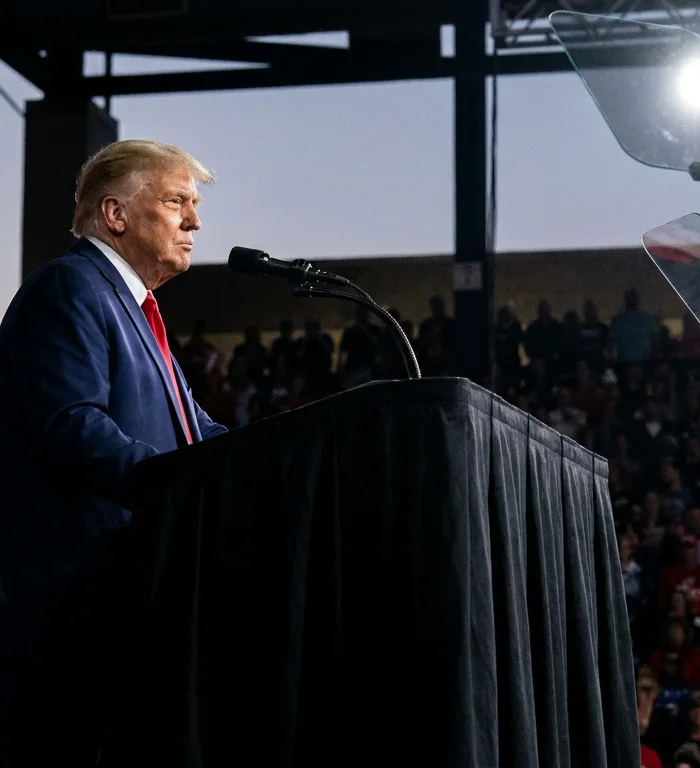
President Trump said on October 13 that US negotiations with Iran are struggling after strikes killed too many regime leaders, leaving Washington uncertain about who can speak for Tehran.
Trump told supporters at a rally in Ohio that the US may have gone too far in targeting leaders, according to his remarks described in the payload. He said Washington no longer knows who it is dealing with, framing the issue as a practical obstacle to talks rather than a completed policy shift.
Iran channels face leadership gap The remarks place the diplomatic track in a narrower position after a period of direct pressure on Iran’s ruling structure.
If the people empowered to negotiate have been killed, sidelined or replaced, the immediate mechanism is slower communication: messages take longer to verify, intermediaries gain weight, and any tentative deal becomes harder to authorize.
For the global picture, the risk is not only a breakdown in talks but a longer period of ambiguity around escalation control in the Gulf. Energy markets, shipping insurers and regional governments tend to react less to rhetoric than to whether Washington and Tehran can maintain a channel during military pressure.
For the White House, the specific open question is whether Trump’s comments signal a pause in strikes, a search for new intermediaries, or a warning that talks are no longer producing clear counterparties. For the wider defense and energy sectors, a stalled channel would keep attention on Gulf security, tanker routes and the durability of any cease-fire mechanism.
By October 14, the next marker is whether US officials identify a recognized Iranian negotiating counterpart or describe the diplomatic channel as suspended.
More stories
- Turkish fruit exports put Russia trade back in Washington sanctions frame
- Turkey’s Sub-30% Inflation Still Leaves Washington With a Sanctions Problem
- Kazakhstan plans gold sales to reduce reserve dependence
- Trump says Putin wants Ukraine deal more than Zelensky
- Saudi authorities extend Riyadh airport closure to Oct 17
- Trump diesel carve-out tests Congress as Russia talks stall over Ukraine
- Pricing Power Fades, Richmond Fed Survey Signals Margin Squeeze
- Russia Escalates Strategic Air Campaign Against Ukrainian Infrastructure
Latest news
- God of War uses Avatar tech in 2 games as film ties deepen
- SAFE-QE cuts unsupported search terms to 4.3 in tests
- Menopause symptoms expose sports-medicine evidence gap
- Hungary opens 58,000-name informer database Nov. 4
- Two ships hit by drones off Bulgaria, one sinks
- IMF puts Turkey 2026 inflation at 31.2%
- TabMF may improve AI dataset retrieval across six tasks
- Traffic fears keep 1 in 6 Irish parents wary of play