

Trump declares two-week Iran ceasefire
Iran ceasefire: Trump said Tuesday a two-week truce, mediated by Pakistan, eased Strait of Hormuz tensions and restored key shipments.
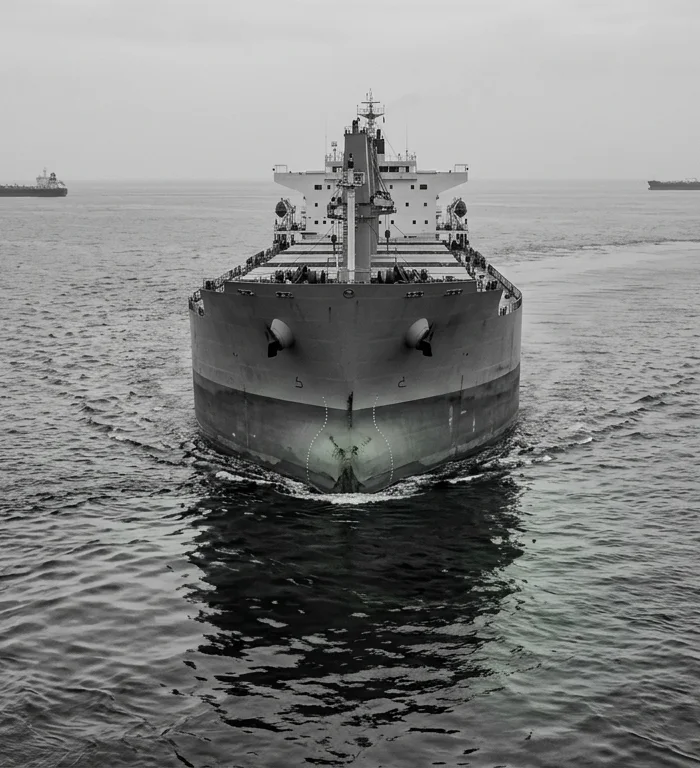
President Trump said on Tuesday that the United States and Iran had agreed to a two-week ceasefire, with Pakistan acting as mediator, after tensions escalated around the Strait of Hormuz. The announcement followed a period of military exchanges that had raised fears of disruption to a key global shipping route. Officials presented the truce as a temporary step designed to reduce immediate risks while talks are pursued.
The ceasefire came after Trump issued an ultimatum tied to passage through the Strait of Hormuz and later withdrew it. The shift was framed as part of the arrangement that enabled the pause in hostilities. The agreement, as described, is time-limited and intended to create space for negotiations toward a more durable outcome.
With the truce in place, flows of oil, fertilizer, and helium through the Strait of Hormuz resumed, easing earlier market anxiety about a potential global energy shock. The Strait is a critical corridor for international trade, and the earlier escalation had threatened to spill into broader economic disruption. The reopening of shipments was cited as an immediate practical effect of the ceasefire.
Even with the de-escalation, major disputes remain unresolved. The situation leaves Iran’s nuclear stockpile intact, including 970 pounds of near-bomb-grade material. The underlying questions around Iran’s nuclear program and its regional influence were described as still outstanding, underscoring that the ceasefire does not settle the core issues that contributed to the confrontation.
Iran’s foreign minister said Iran’s armed forces would control shipping through the Strait, a condition that was not in place before the conflict. International observers have raised concerns about that stated arrangement, given the Strait’s role in global commerce. The statement adds a new point of contention even as the ceasefire reduces immediate military pressure.
Future negotiations are expected to use a 10-point plan submitted by Iran as a basis for discussion. The plan reportedly calls for global recognition of Iran’s right to enrich uranium, the removal of American forces from the region, the lifting of economic sanctions, and reparations.
The gap between Iranian and American objectives was described as wide, suggesting that reaching a comprehensive settlement will be difficult, particularly after Iran demonstrated ongoing military capabilities during the recent hostilities.
More stories
- Bardella denies antisemitism claims over teenage messages
- Washington targets China in new tariff push on trade ties
- Eisenkot secures first coalition deal but lacks majority
- Germans oppose Ukraine aid as poll shows support slipping
- Kim Jong-un receives 10 envoys after constitutional shift
- Ukraine claims Libya strike sinks Russian naval corvette
- Trump suspends Iran military strikes for two weeks following appeal from Pakistani leaders
- Susie Wiles: The 'Ice Queen' Shaping Trump's Strategy
Latest news
- Norse Atlantic suspends flights in urgent rescue funding bid
- Retailers rethink Black Friday as discount fatigue grows
- Japan data centers face lawsuits over residential sites
- S&P puts Nvidia credit rating on watch over board concerns
- Musk pledges two SpaceX shares per child in new US giveaway
- Morocco targets 2030 World Cup final with new stadium bid
- Barclays puts AI bust risk at center of US growth debate
- US inflation reaches 3.8% before December Fed rate meeting