Todd Blanche nomination deal heads to Senate panel vote
Todd Blanche nomination regained momentum after Justice Department documents scrapped a $1.8 billion fund and narrowed a tax-audit immunity pledge.
Lauren Collins ·
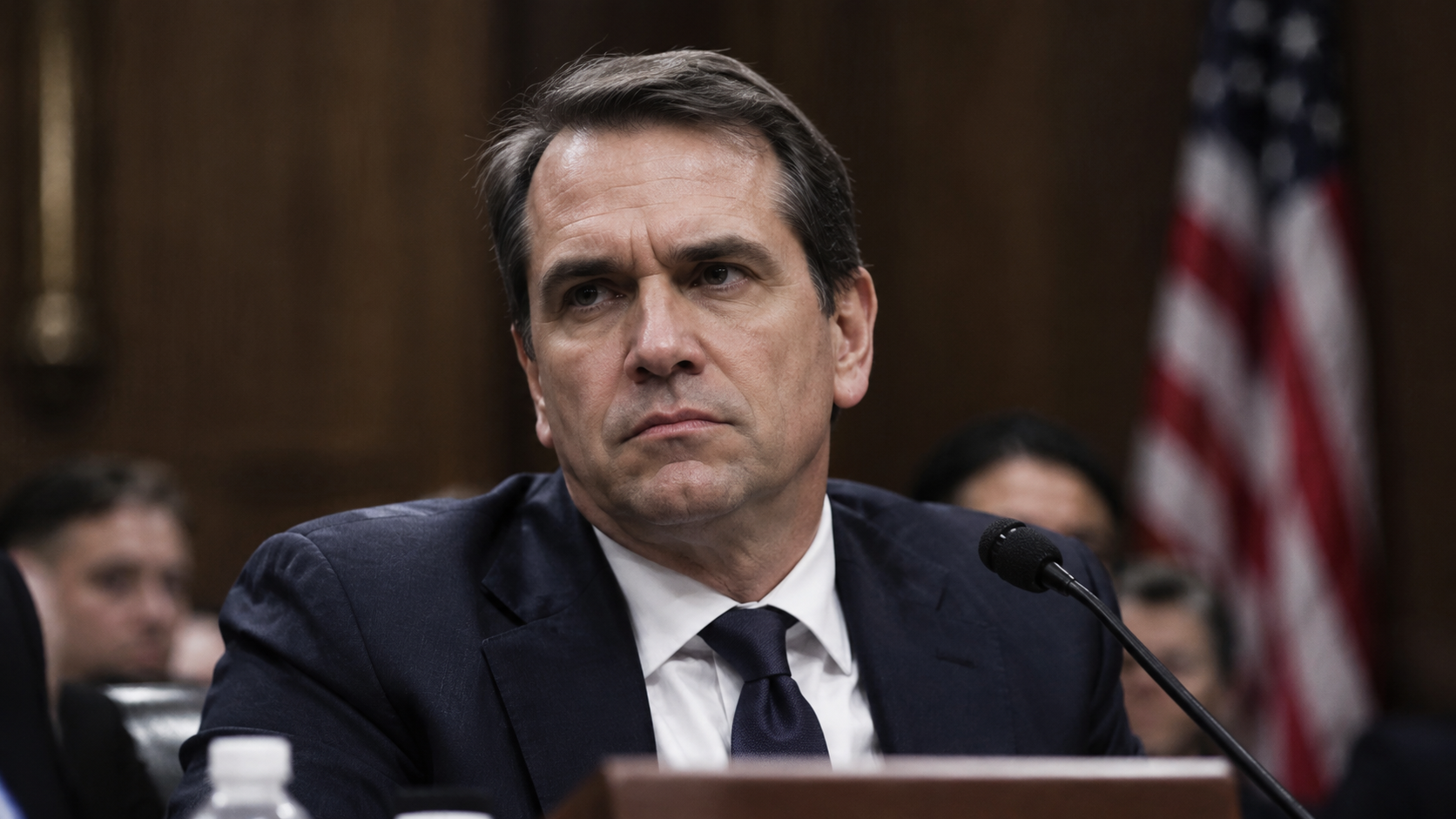
Todd Blanche nomination regained momentum after Justice Department documents scrapped a $1.8 billion fund and narrowed a tax-audit immunity pledge.
The White House believes it has reached an understanding with Republican senators to move Blanche out of the Senate Judiciary Committee, according to the source text. The arrangement follows several days of negotiations that exposed how little margin party leaders have when internal objections meet a tight Senate calendar.
Documents reset Blanche talks
Blanche issued one formal document saying the order that created the disputed $1.8 billion anti-weaponization fund was "rescinded" and had "no force or effect." A separate document affirmed his confirmation-hearing testimony about limits on President Donald Trump's tax-audit immunity deal.
Those written assurances were the price of movement for Sens. John Cornyn of Texas and Thom Tillis of North Carolina, two Republicans who had held up Blanche in committee. They had insisted that the Justice Department formally narrow the immunity arrangement and abandon the fund before the nomination advanced.
The fund had become the practical obstacle and the symbolic one. For skeptical senators, the issue was not only the dollar figure, but whether a confirmation vote would also endorse a structure they viewed as too broad or politically charged.
Cornyn and Tillis regain leverage
The timing matters because the Judiciary Committee is scheduled to meet at 9 a.m. Tuesday for a markup. Last week's vote was pulled after the dispute remained unresolved, and one Republican defection on the panel could still be enough to block Blanche.
Tillis had sharpened the stakes after President Trump threatened over the weekend to bring the fund back. Tillis called the reversal "unfortunate" and said Blanche, whom he described as qualified, "will not be confirmed because of this reversal," while also saying he hoped the matter could be settled by Tuesday.
For Senate Majority Leader John Thune and Judiciary Committee Chair Chuck Grassley of Iowa, the deal offers a route out of a public Republican fight. Both leaders want Blanche confirmed before senators depart for a five-week recess, a deadline that gives every procedural hour added value.
The agreement may also matter beyond the Judiciary Committee. Several Republicans outside the panel have raised concerns about Blanche, and some have been looking to Cornyn's handling of the talks as a guide for their own votes.
Recess clock tightens Senate math
If Blanche wins committee approval Tuesday, the full Senate could not confirm him before Saturday unless Democrats agree to shorten the process. The source text says that Democratic cooperation appears unlikely, though Senate leaders sometimes find procedural exits when a long recess is close.
The Blanche fight is only one item in a crowded week for Senate Republicans. A short-term continuing resolution, Russia sanctions and other legislative business are also on the agenda, leaving leaders to balance nominations, policy priorities and party management at the same time.
The larger pressure point is political discipline. Republicans cited in the source text believe their internal disputes are damaging the party's posture before the midterms, especially when President Trump is already putting pressure on Thune over responsibility for future election losses.
The immediate path is conditional. If the documents satisfy Cornyn, Tillis and other wary Republicans, Blanche can move from committee to the floor and give GOP leaders one fewer fight before recess; if objections return, the nomination again becomes a test of whether written limits can hold against presidential pressure and Senate procedure.