

European Leaders Assert Necessity of EU Participation in Ukraine Peace Negotiations
European leaders are insisting on a formal role in Ukraine peace talks, emphasizing that regional security cannot be decided without EU input amid ongoing U.S.
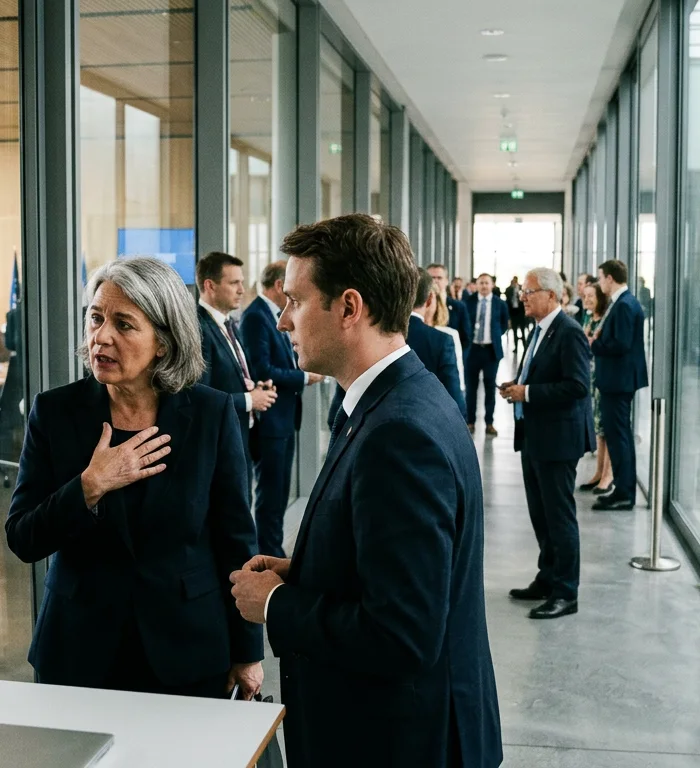
European officials have formally asserted that any viable peace agreement regarding the conflict in Ukraine requires direct European Union participation. During a summit in Dublin, leadership emphasized that European security architecture cannot be determined exclusively through bilateral negotiations between the United States and Russia. This stance follows recent diplomatic activity involving U.S. special envoys, who held discussions with Russian leadership before meeting with Ukrainian President Volodymyr Zelensky in Ireland.
European leaders maintain that the EU’s role is indispensable, citing the bloc's significant financial, military, and defense contributions to the Ukrainian state. Officials argued that the European Political Community provides a necessary platform for ensuring that any long-term resolution respects Ukrainian sovereignty and rejects the re-establishment of historical spheres of influence. The diplomatic focus is now shifting toward upcoming coalition meetings in Berlin, intended to coordinate further support and maintain a unified European position in ongoing peace processes.
President Zelensky reported that recent speed restrictions imposed
Beyond high-level diplomacy, operational friction has emerged regarding the technical support provided by U.S. private sector entities. President Zelensky reported that recent speed restrictions imposed on the Starshield satellite internet service in occupied territories are hindering Ukraine’s ability to intercept Russian drone attacks. These restrictions have raised concerns among Ukrainian leadership regarding the alignment of U.S. private sector policies with the security interests of the Ukrainian state.
Policymakers should monitor the coordination between the U.S. special envoys and European stakeholders as negotiations progress. The tension between the desire for a U.S.-led diplomatic breakthrough and the European demand for a seat at the table remains a critical factor in the stability of the Western coalition. Furthermore, the impact of private sector technology constraints on military efficacy will likely remain a point of contention in future security discussions.
More stories
- Germans oppose Ukraine aid as poll shows support slipping
- Kim Jong-un receives 10 envoys after constitutional shift
- Ukraine claims Libya strike sinks Russian naval corvette
- COP31 climate talks collapse over fossil fuels and funds
- Russian military faces 1,087 recorded suicides in Ukraine war
- US faces China, Russia in Africa minerals contest
- Europe to join next Ukraine talks, Kushner says
- Melaka vote puts living costs before 687,697 voters
- Brent heads for fourth monthly gain as Middle East risk persists
- European coffin makers seek EU case with ranks down to 90
Latest news
- Trump prepares tariffs on China and other major exporters
- New-car buyers pay record average $50,087 in October
- Banks face ECB reserve debate over liquidity and profits
- Investors see Anthropic debut gains fade below $83 a share
- Iraq orders federal control over Kurdish-area oilfields
- Nvidia shares retreat as AI rally cools before PCE data
- Macy’s parade faces balloon limits as storm winds approach