Venezuela Silences Maduro's Image, Eyes New Era
Nicolás Maduro's public image is being systematically erased across Venezuela following his removal from power.
Sofia Reyes ·
The public image of Nicolás Maduro is being systematically removed across Venezuela, five months after his removal from power on January 3. This widespread erasure, evident since early May, suggests a deliberate effort by former allies and authorities to distance themselves from the former leader, whose administration oversaw a significant economic decline.
Physical Removal of Iconography
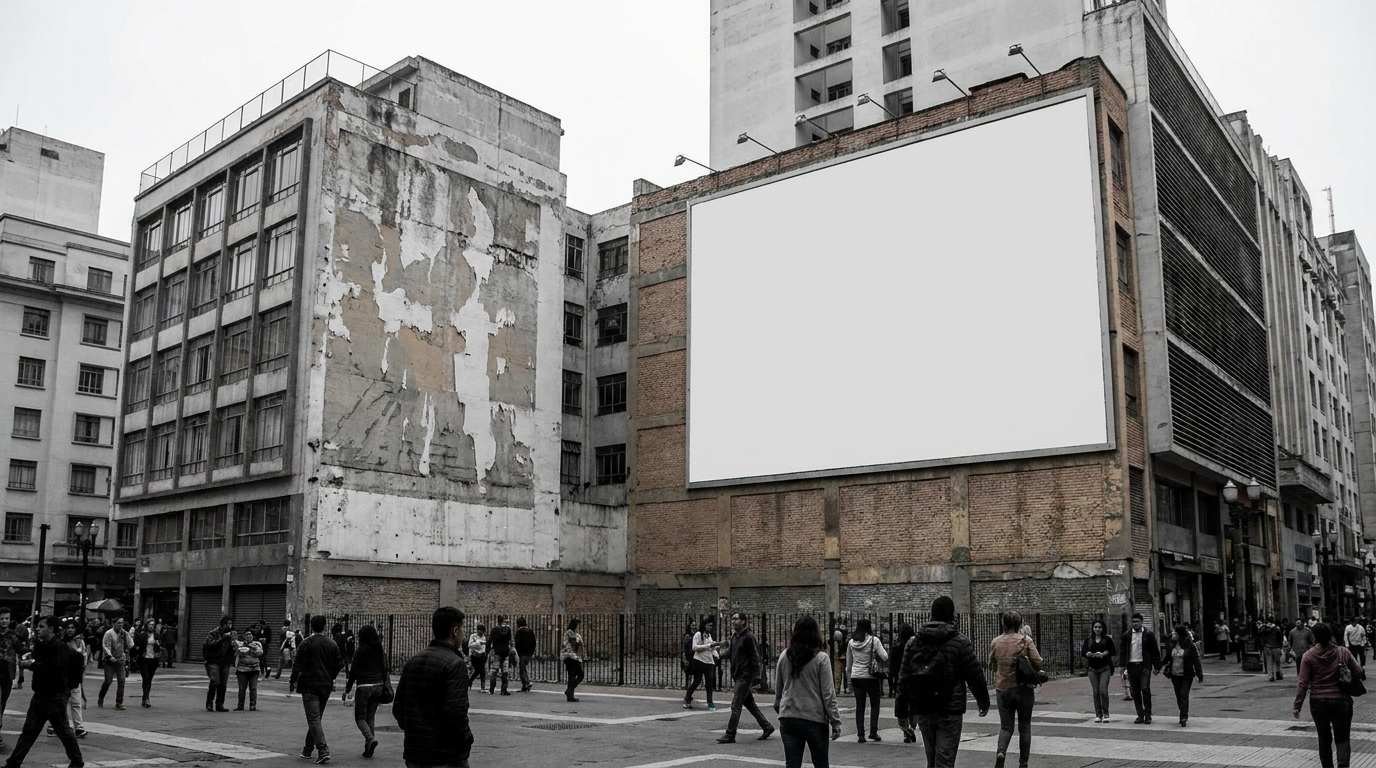
The campaign to erase Maduro's iconography includes painting over billboards and murals and dismantling public displays that once glorified his rule. For example, white paint has been used to cover murals in a Caracas housing estate. Additionally, a hoarding from the 2024 election on the highway to Guatire now shows Maduro's name faded to near invisibility.
This physical removal is mirrored in official discourse. Interim leader Delcy Rodríguez's monthly mentions of Maduro decreased by over 90% from 86 in January to just 7 by March, according to an analysis. This rapid disappearance from public and political life suggests a collective effort to disassociate from Maduro, whose tenure saw Venezuela's economy shrink by 70% and millions of citizens emigrate.
Implications for the Future
The systematic erasure of Nicolás Maduro's public image in Venezuela, following his removal, suggests a concerted effort by the new leadership to consolidate power and symbolically break from the past. This could usher in a period of cautious political realignment and potentially impact diplomatic relations. This deliberate distancing may aim to rebuild public trust and legitimacy, given Maduro's widespread association with economic collapse and political repression. This could pave the way for international re-engagement and sanctions relief if the new government demonstrates a credible commitment to democratic reforms.
However, the speed and thoroughness of this "de-Madurofication" also carry risks, potentially alienating residual loyalist factions and creating a power vacuum that could lead to internal instability or a struggle for ideological control. The key uncertainty lies in whether this symbolic shift will translate into tangible improvements in the economic and social conditions for Venezuelans, which is crucial for long-term stability and could present opportunities for foreign investment if a clear, consistent policy framework emerges. Ultimately, the effectiveness of this image overhaul in fostering national unity and attracting external support will largely determine Venezuela's trajectory in the coming years.