

FDA Mandates New Warning Labels for GLP-1 Medications Regarding Rare Eye Condition
The FDA has mandated new warning labels for GLP-1 medications due to a potential link between semaglutide and a rare, serious eye condition known as NAION.
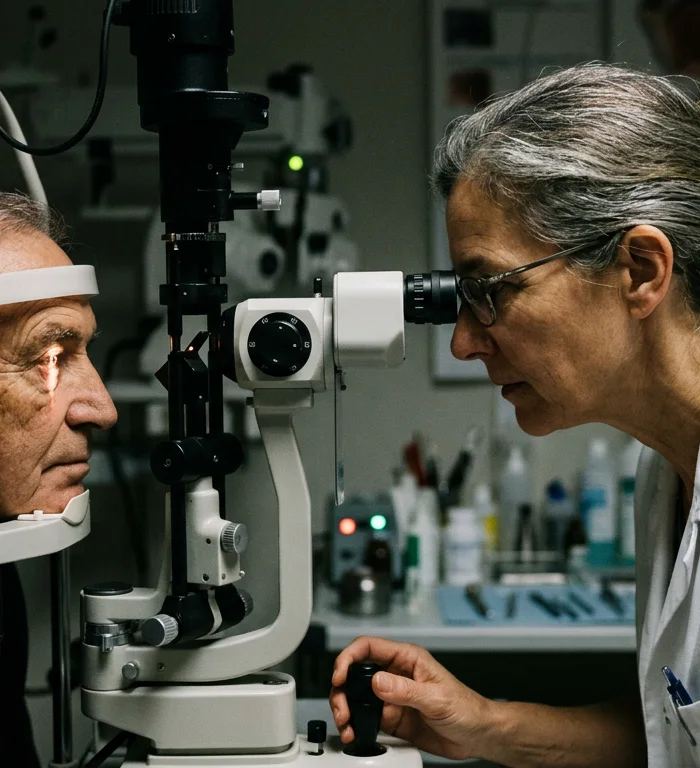
The U.S. Food and Drug Administration (FDA) has mandated that manufacturers of glucagon-like peptide-1 (GLP-1) receptor agonists update product labeling to include warnings regarding nonarteritic anterior ischemic optic neuropathy (NAION). This regulatory action follows internal findings suggesting a potential association between the use of semaglutide and the development of this rare, ischemic eye condition.
NAION is characterized by a sudden, painless loss of vision resulting from compromised blood flow to the optic nerve. While the condition is considered rare, the FDA identified a correlation between the administration of these medications—particularly at higher dosage levels—and the incidence of the condition in patient populations. The labeling update is intended to ensure that healthcare providers and patients are informed of the potential ocular risks associated with long-term treatment.
This regulatory shift introduces new considerations for risk management in the pharmaceutical sector, specifically regarding the safety profiles of high-growth weight loss and diabetes medications. The inclusion of a formal warning on the label may influence clinical prescribing patterns and patient adherence rates. Furthermore, the update establishes a new baseline for safety monitoring, potentially increasing the liability profile for manufacturers if additional ocular adverse events are reported.
Institutional stakeholders should monitor for subsequent clinical studies or post-market surveillance data that may further clarify the causal relationship between GLP-1 agonists and NAION. The FDA’s decision reflects an ongoing effort to refine the safety data for this class of drugs as their market penetration continues to expand. Future regulatory scrutiny may focus on whether similar warnings are required for other medications within the GLP-1 class, potentially impacting the broader market landscape for these therapies.
More stories
- Dietitians advise small swaps for plant-based eating
- TikTok dementia videos mislead in 66.4% of sample, researchers say
- Aberdeen Royal Infirmary faces police inquiry call over 19 deaths
- Bariatric surgery group loses 28.2% after GLP-1 use
- TOFA boosts mouse energy use 18% while preserving muscle
- ICO probes NHS therapy notes accessible to up to 140,000 staff
- Europe faces 35,000 drug-resistance deaths a year
- U.S. faces loss of measles elimination status after 5,412 cases
Latest news
- David Parr House to honor Victorian art-workman with blue plaque
- Iran's attacks hit 25 tankers near Strait of Hormuz
- FCC approves prison cellphone jamming despite 2.5-mile warning
- Russia strikes Ukraine as Odesa faces electricity strain
- Bahrain reports two injuries after Iranian aerial attacks
- Congress tests Black Democrats' growing policy influence
- Baltic responders fight Sparta II fire after drone strike
- Europe faces attribution gap after 16 cyber, physical incidents