Taiwan’s 2026 Maccabiah delegation: a symbolic step in Israel ties
Taiwan’s 2026 Maccabiah Games delegation marks a milestone in ties with Israel, using sports diplomacy to deepen tech and people-to-people links.
Mei Lin ·
# Taiwan’s 2026 Maccabiah delegation: a symbolic step in Israel ties
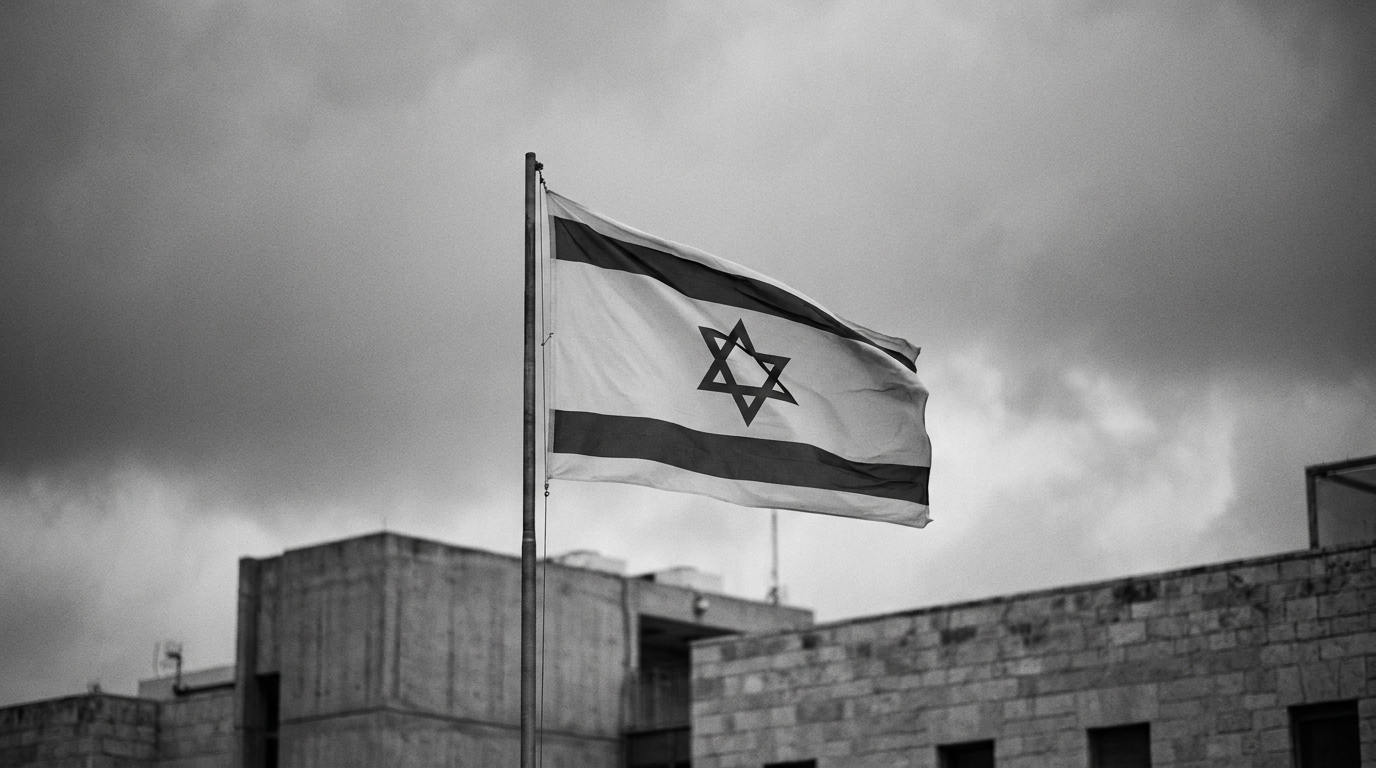
Taiwan’s reported plan to send an “official” delegation to the 2026 Maccabiah Games is being framed, in a published opinion piece, as more than a sporting decision. The argument: Taipei and Jerusalem are using a niche but globally visible event to signal warmer ties between two innovation-led democracies.
Maccabiah Games
The underlying claim matters in Asia because Taiwan’s external engagement is routinely scrutinized through the lens of diplomatic recognition and great-power competition. Even when the vehicle is cultural or sporting, the message is often read as political.
The Maccabiah Games are a large international Jewish sporting event held in Israel, sometimes described as the “Jewish Olympics.” Participation can include national delegations, and for smaller or diplomatically constrained jurisdictions, the way a delegation is presented publicly can carry symbolic weight.
For Taiwan, external representation is a perennial balancing act. Beijing opposes any step that looks like state-to-state recognition of Taiwan; as a result, many of Taipei’s international engagements are routed through semi-official bodies, cultural channels, or functional cooperation rather than formal diplomacy.
If Taiwan’s delegation is indeed “official” in the If Taiwan’s delegation is indeed “official” in the manner described by the opinion article, it would be a small but legible data point in a broader story: Taiwan expanding its network of partners through technology, education, and civil-society ties, even when full diplomatic relations are not on the table.
There is also potential spillover beyond symbolism. Israel’s strengths in cybersecurity, defense technology, and start-up financing are areas Taiwan has increasingly emphasized as it tries to harden its economy and infrastructure against disruption. Deeper people-to-people links can create channels for research collaboration, university exchanges, and commercial partnerships that are harder to quantify than a trade agreement but can still shape supply chains and investment flows.
Watch for a formal statement from Taiwan’s government or a named authorized body confirming the delegation’s status and mandate, and for any public response from Israel’s relevant institutions or event organizers. By 2026-06-30 , the key observable will be whether the delegation is publicly presented using Taiwanese state identifiers (for example, in registration materials or official ceremonies) versus a non-governmental banner. If it appears under clear state branding, the “sports diplomacy” thesis strengthens; if it is routed through a private association with careful wording, the practical effect may be more limited than the opinion piece suggests.