

FBI Partners with Sri Lanka to Counter Transnational Cyber-Fraud Networks
The FBI is providing technical training to Sri Lankan authorities to combat a surge in transnational cyber-fraud operations that have relocated to the island…
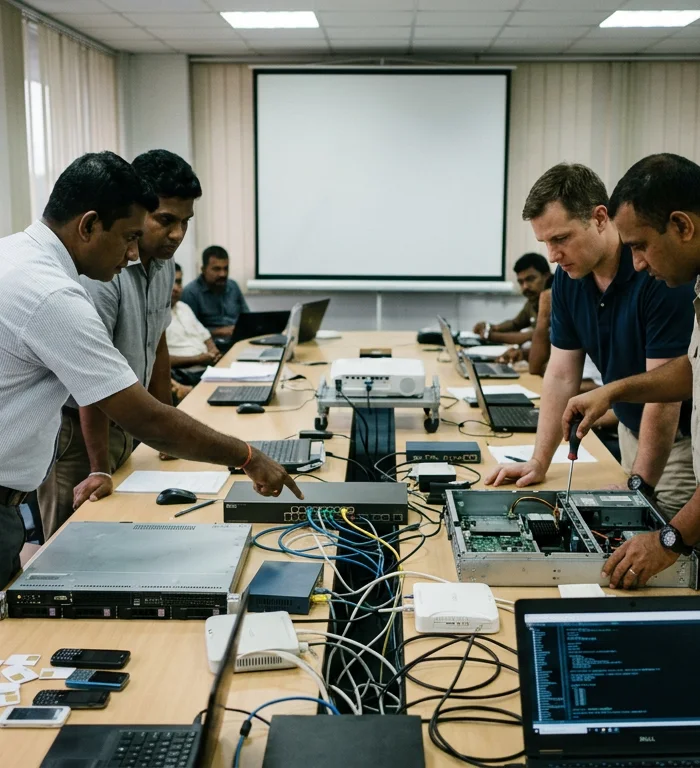
The Federal Bureau of Investigation (FBI) has initiated a collaborative effort with Sri Lankan law enforcement to dismantle transnational cyber-fraud networks currently operating within the country. This intervention follows a significant migration of illicit scam operations from Southeast Asia to Sri Lanka, driven by the nation’s accessible visa policies and robust digital infrastructure.
FBI personnel are scheduled to conduct a week-long training program focused on investigative techniques, digital forensics, and case development. The objective is to enhance local capacity to identify victims, trace criminal financial flows, and build prosecutable cases against operators of fraudulent investment, betting, and romance-scam platforms.
Authorities have expressed concern regarding the potential for These criminal networks, which have historically targeted victims across India, Vietnam, and the Philippines, are increasingly diversifying their operations. Authorities have expressed concern regarding the potential for these syndicates to expand their target demographic to include the local Sri Lankan population.
Sri Lankan authorities have already intensified enforcement, reporting the arrest of over 1,100 foreign nationals—primarily from China, Vietnam, and India—for alleged involvement in cybercrime since the beginning of the year. The government is simultaneously pursuing bilateral cooperation with China to address the rise in illicit activity, which officials attribute to successful crackdowns in Cambodia, Myanmar, and the United Arab Emirates.
The presence of these networks poses a significant governance and security challenge for Sri Lanka, as the country attempts to balance its open-visa regime with the need to prevent the establishment of organized crime hubs. Future stability will depend on the efficacy of these international partnerships in disrupting the logistical and digital infrastructure that allows these syndicates to operate with relative impunity.
More stories
- Germans oppose Ukraine aid as poll shows support slipping
- Kim Jong-un receives 10 envoys after constitutional shift
- Ukraine claims Libya strike sinks Russian naval corvette
- COP31 climate talks collapse over fossil fuels and funds
- Russian military faces 1,087 recorded suicides in Ukraine war
- US faces China, Russia in Africa minerals contest
- Portugal targets more than 20,000 electric cars with subsidies
- Kallas faces EU role doubts after seven-member Ukraine talks snub
- Ethiopia church reports 60 deaths in two Oromiya attacks
- UN inquiry finds Ukraine grid attacks amount to war crimes
Latest news
- Trump prepares tariffs on China and other major exporters
- New-car buyers pay record average $50,087 in October
- Banks face ECB reserve debate over liquidity and profits
- Investors see Anthropic debut gains fade below $83 a share
- Iraq orders federal control over Kurdish-area oilfields
- Nvidia shares retreat as AI rally cools before PCE data
- Macy’s parade faces balloon limits as storm winds approach