

UN inquiry finds Ukraine grid attacks amount to war crimes
A UN-backed inquiry says Russian attacks on Ukraine’s energy network constitute international crimes, citing civilian suffering as winter approaches.
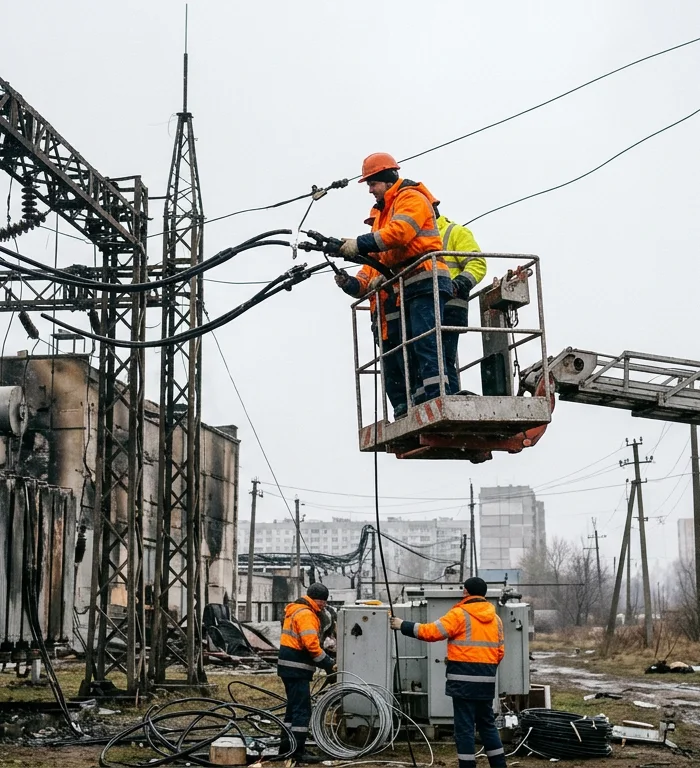
A UN-backed inquiry says Russian attacks on Ukraine's energy network constitute international crimes, citing civilian suffering as winter approaches.
The commission presented its findings on October 26, 2026, to the United Nations General Assembly committee responsible for human rights. It concluded that deliberate strikes against civilian energy facilities amounted to war crimes and crimes against humanity; Russia rejected the findings and challenged the commission's authority.
Electricity losses reach hospitals and shelters
The report described consequences extending beyond unheated homes. According to the commission, power failures deprived hospital patients of essential medical equipment and prevented older residents from using elevators to reach shelters during aerial attacks.
Millions of people lost power and heating during freezing weather, the inquiry reported. Its evidence included testimony from 255 Ukrainians who experienced the winter of 2025–26 across Kyiv and eight additional regions, alongside information from officials, physicians and civil society groups.
Commission chair Erik Mose, a former judge from Norway, explained the legal conclusions during a UN news conference by video. He said the commission classified the strikes as war crimes on the grounds that they deliberately targeted civilian objects, and as crimes against humanity for "inflicting great suffering to civilians.”
Russia contests the commission's findings
The Human Rights Council, based in Geneva, established the independent investigation soon after Russia began its full-scale invasion in February 2022. This was the commission's first report devoted to the consequences of Russia's attacks across Ukraine's energy system.
Mose said Russian authorities had not answered requests for comment on this report or earlier commission reports. Russia's UN Mission separately said on October 26 that it rejected the body's mandate and alleged that the findings relied on “falsified data.”
Russia has maintained during the war that its strikes target military facilities or sites serving its armed opponents. That position conflicts with the commission's conclusion that civilian infrastructure was deliberately targeted, a distinction central to its assessment of the attacks.
Recruitment findings span 29 countries
A separate part of the investigation examined foreign recruitment into Russia's military. The commission reviewed recruitment involving nationals of 48 countries and reported evidence of deception or coercion affecting men from 29 of them, including India, Brazil, Kenya, Sri Lanka and Yemen.
The men ranged in age from 18 to 60 and generally came from economically disadvantaged communities with limited education, according to the inquiry. It said intermediaries abroad portrayed their businesses as legitimate and backed by governments, arranged visas and sometimes accompanied recruits on their journeys.
After reaching Russia, the men were compelled to sign Defense Ministry paperwork written in Russian that they could not understand, the commission reported. The inquiry described these recruitment practices as violations of international law, contrasting them with Russian officials' public emphasis on voluntary enlistment.
The energy findings also carry an immediate civilian protection concern as another winter approaches. Mose said attacks were intensifying and warned about the danger to civilians, whose dependence on electricity for heating, medical treatment and access to shelters was documented in the investigation.
More stories
- Ruto seeks Russian investment in Kenya's $380m trade push
- Sudan teachers seek 20% budget share with 8m children outside school
- Spain rail network faces scrutiny after 64 killed near Toledo
- Spain reports at least 30 dead in high-speed train crash
- Villa Vie disembarks 203 passengers in Cambodia over fuel costs
- NEITI faces methane data questions over 18 incomplete records
- Israel election turnout reaches 74.3% before polls close
- Trump questions Brazil election as Liberal Party accepts
- Kim Yo Jong signals North Korea shift on border tensions
- UAE contender joins UN leadership race without consensus