

Private equity firms face scrutiny over third of methadone clinics
Brown University economist Yashaswini Singh wrote that private equity has acquired more than one-third of U.S.
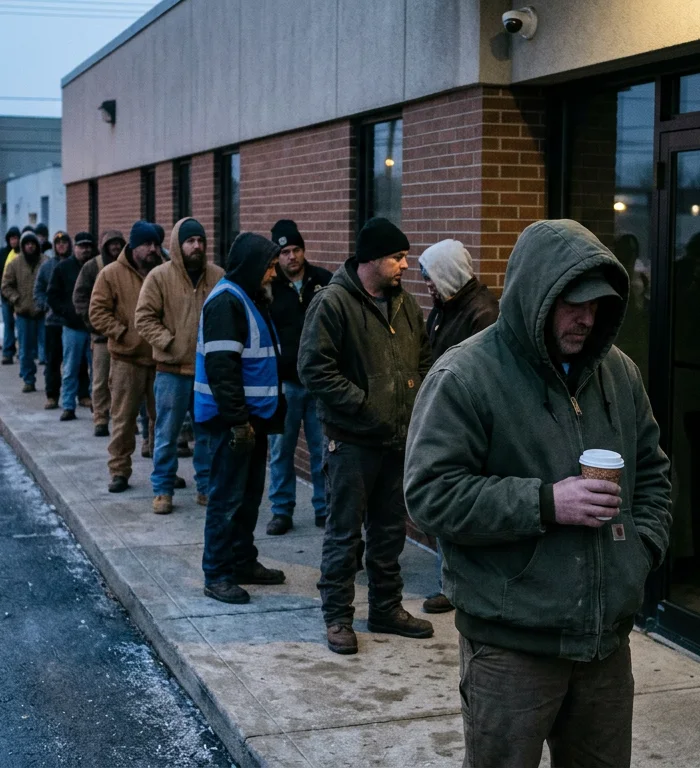
Private equity firms have acquired more than one-third of U.S. methadone clinics without expanding availability or new-facility construction, Brown University economist Yashaswini Singh wrote in The Conversation on Oct. 28.
The finding matters because federal estimates cited in the article put U.S. opioid-overdose deaths above 120 a day in 2025, while methadone is associated with about a 50% lower fatal-overdose risk.
Singh, who said the research was co-authored with researchers at the University of Pittsburgh and RAND and published in Health Affairs, wrote that the growth of private equity ownership has not delivered broader access to a tightly regulated treatment market. The Conversation article did not provide the study’s sample size or funder.
The business question is whether consolidation in a restricted health-care market lowers barriers for patients or strengthens control over scarce treatment sites. Private equity-backed operators have told lawmakers that their capital has helped expand treatment and modernize care, according to Singh’s article.
The patient-access problem remains acute. The article cited research estimating that only 22% of people with opioid use disorder ever receive methadone, despite the drug’s role in reducing overdose risk.
Methadone for opioid addiction is generally dispensed through opioid treatment programs, a clinic-based system rather than ordinary prescribing through doctors and pharmacies. In rural areas, the article cited average one-way drive times nearing 50 minutes, making transport, work schedules and clinic hours part of the treatment burden.
Amber Titus, 38, who lives in Bisbee Junction, Ariz., told The Conversation that she and her husband began taking methadone in early 2025 and travel to a clinic in Sierra Vista, about 30 miles away. “It’s been a godsend,” she said.
Titus also described the fragility of that access. After a car crash in August, she said Medicaid-arranged rides did not arrive on time and she missed treatment for a week. “I missed my methadone dose for the whole week,” she told The Conversation.
Clinic rules can also limit flexibility. The article said many patients must appear in person frequently, and take-home medication depends on state rules, time in treatment and clinician judgment. It cited research saying 19% of people receiving take-home methadone obtained supplies covering three or more days.
Singh argued that the regulatory structure can make opioid treatment programs attractive to investors because licensed clinics control legal access to methadone in many areas. That is an interpretation from the author’s research, not a finding attributed to regulators.
Political scrutiny is growing. Senator Maggie Hassan, a New Hampshire Democrat, has opened an investigation into three of the country’s largest methadone clinic operators, according to The Conversation. Her inquiry cites concerns that the operators oppose broader treatment access for financial reasons rather than patient safety.
What remains unresolved is whether ownership structure directly affects patient outcomes, prices, clinic hours or take-home policies. The supplied article reports no market-share breakdown by operator and no response from the companies under investigation.
More stories
- Private equity puts $18.4bn into US healthtech deals
- JSW Cement shares fall 1.2% despite 33% revenue gain
- InstallatørGruppen Q3 revenue rises 42.8%
- Microsoft offers 60,000 workers buyouts as AI costs rise
- Microsoft offers buyouts to roughly 60,000 eligible staff
- Anthropic seeks Nasdaq IPO after $16.3bn half-year revenue
Latest news
- Ruto seeks Russian investment in Kenya's $380m trade push
- Sudan teachers seek 20% budget share with 8m children outside school
- Spain rail network faces scrutiny after 64 killed near Toledo
- Spain reports at least 30 dead in high-speed train crash
- TCM faces uncertainty under Paramount Skydance's $80bn debt
- Villa Vie disembarks 203 passengers in Cambodia over fuel costs
- NEITI faces methane data questions over 18 incomplete records
- Trump credits endorsement after Netanyahu bloc's 57-seat tally