

Seven killed in armed attack on church funeral in Jordan
Assailants targeted a religious service on Friday, testing the kingdom’s long-standing reputation for internal stability.
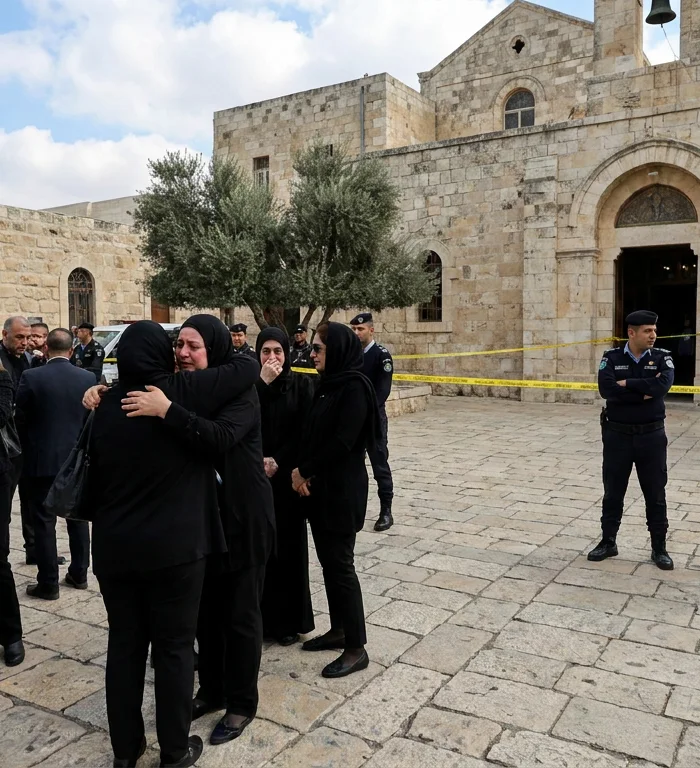
Assailants target funeral service
At least seven individuals were killed on Friday when gunmen opened fire at a church in Jordan, according to the country's Public Security Directorate. The assault took place during a funeral service, marking a rare and lethal breach of security in a nation long characterized by its internal calm.
Authorities have launched an investigation into the incident. The Public Security Directorate confirmed the casualties but has yet to detail the identity or motives of the attackers involved in the raid on the Christian minority site.
Stability in a volatile region Jordan has historically served as a critical buffer Jordan has historically served as a critical buffer state in the Middle East, maintaining a delicate balance between its diverse religious communities and various regional powers. The Hashemite Kingdom relies on its reputation for domestic security to sustain tourism and international investment, often contrasting its stability against the backdrop of persistent conflicts in neighboring territories. This stability is maintained through the General Intelligence Directorate, which monitors internal threats and prevents extremist activity. However, the country faces persistent economic challenges, including high unemployment rates that periodically strain the social contract between the monarchy and the public. Security and social pressures The attack comes during a period of heightened domestic sensitivity as public demonstrations related to the ongoing conflict in Gaza have occurred frequently across the kingdom. These protests have put pressure on the government to respond to regional crises while managing internal dissent, potentially complicating efforts to maintain the country's long-term social cohesion.
For the administration of King Abdullah II, the primary risk involves preventing the radicalization of domestic fringes who may seek to exploit regional instability for local ends. The government’s response to this specific event will likely signal how it intends to allocate security resources between safeguarding porous borders and managing internal political risks.
Monitoring state response
The coming weeks will reveal whether authorities categorize this event as the work of an isolated individual or the result of organized extremist network activity. An official assessment linking the shooters to broader regional groups would likely trigger significant domestic crackdowns and intensified monitoring of political opposition groups. Conversely, evidence suggesting an isolated act could allow the state to contain the event's impact on national morale without broad institutional shifts.
More stories
- Germans oppose Ukraine aid as poll shows support slipping
- Kim Jong-un receives 10 envoys after constitutional shift
- Ukraine claims Libya strike sinks Russian naval corvette
- COP31 climate talks collapse over fossil fuels and funds
- Russian military faces 1,087 recorded suicides in Ukraine war
- US faces China, Russia in Africa minerals contest
- Democrats tie Iran war to $4.27 gasoline in midterm races
- Biya faces Cameroon succession pressure after 74-day absence
- Houthi offensive strains Saudi oil, debt and alliance plans
- Morocco election puts PAM first as coalition math shifts
Latest news
- Trump prepares tariffs on China and other major exporters
- New-car buyers pay record average $50,087 in October
- Banks face ECB reserve debate over liquidity and profits
- Investors see Anthropic debut gains fade below $83 a share
- Iraq orders federal control over Kurdish-area oilfields
- Nvidia shares retreat as AI rally cools before PCE data
- Macy’s parade faces balloon limits as storm winds approach