

New Diagnostic Technology Targets Global Antimicrobial Resistance Crisis
New diagnostic technologies are improving treatment efficacy against antimicrobial resistance, though market entry remains difficult due to competition from…
Antimicrobial resistance (AMR) is increasingly recognized as a critical threat to global health systems, with current mortality estimates reaching 4.7 million deaths annually. Projections suggest this figure could nearly double by 2050, driven by the widespread overuse of antibiotics, antivirals, and antifungals. This trend has rendered standard treatments ineffective for various infections, necessitating a shift toward resistance-guided therapy.
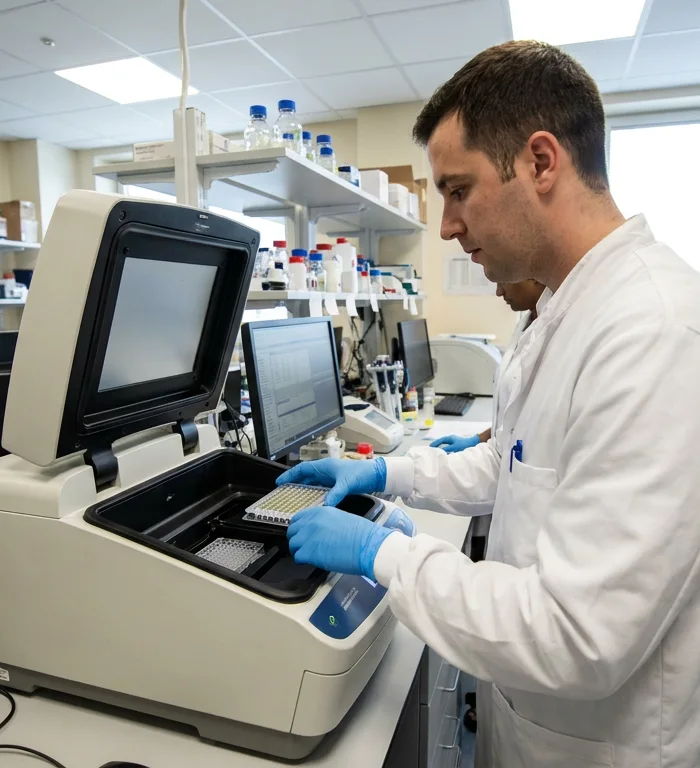
Technological advancements in real-time polymerase chain reaction (PCR) assays now allow clinicians to identify specific pathogens and antibiotic resistance markers before initiating treatment. By utilizing these diagnostic tools, healthcare providers can bypass ineffective first-line drugs, significantly improving patient outcomes. For instance, in the treatment of specific sexually transmitted infections, the implementation of resistance-guided testing has demonstrated an increase in cure rates from approximately 52% to 95%.
Regulatory bodies in the United Kingdom and Europe have already updated clinical guidelines to mandate resistance-guided therapy for certain conditions. Despite this, smaller diagnostic firms face significant market entry barriers when competing against large multinational pharmaceutical corporations. These global entities often utilize bundled pricing strategies that effectively exclude smaller, specialized competitors from hospital procurement systems.
Institutional support remains a primary hurdle for the adoption of these diagnostic innovations. While the United States has integrated such technologies through funding from Institutes of Health, other jurisdictions have struggled to prioritize domestic innovation over established global suppliers. Experts suggest that government-backed clinical studies and procurement policies are essential to mitigate the systemic risks posed by the rising prevalence of drug-resistant superbugs.
More stories
- Dietitians advise small swaps for plant-based eating
- TikTok dementia videos mislead in 66.4% of sample, researchers say
- Aberdeen Royal Infirmary faces police inquiry call over 19 deaths
- Bariatric surgery group loses 28.2% after GLP-1 use
- TOFA boosts mouse energy use 18% while preserving muscle
- ICO probes NHS therapy notes accessible to up to 140,000 staff
- Plant-based dairy swaps may lower iodine intake
- Adults 50 to 64 reach 7.5% heavy-drinking rate
- Smartphones study ties age 12 ownership to eating risks
- Pennsylvania measles outbreak adds 55 cases in two days
Latest news
- David Parr House to honor Victorian art-workman with blue plaque
- Iran's attacks hit 25 tankers near Strait of Hormuz
- FCC approves prison cellphone jamming despite 2.5-mile warning
- Russia strikes Ukraine as Odesa faces electricity strain
- Bahrain reports two injuries after Iranian aerial attacks
- Congress tests Black Democrats' growing policy influence
- Baltic responders fight Sparta II fire after drone strike
- Europe faces attribution gap after 16 cyber, physical incidents