

Saudi Arabia targets luxury tourism growth as AMAALA opens seven new resorts
The kingdom shifts focus toward high-spend visitors as seven new resorts launch at the Red Sea giga-project.
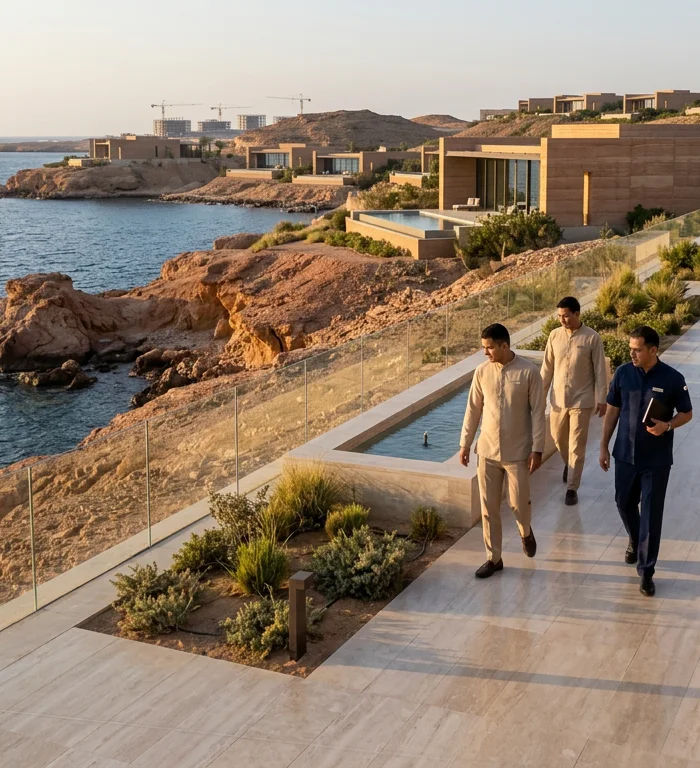
Sovereign focus turns to high-yield hospitality
Saudi Arabia has activated seven new ultra-luxury properties within the AMAALA development, marking a strategic pivot in the kingdom's approach to its tourism sector. This expansion follows reported visitor numbers exceeding 61 million, a figure the Ministry of Tourism points to as evidence of progress toward its broader Vision 2030 objectives.
The operational launch of these Red Sea assets reflects a wider transition for the Public Investment Fund, the sovereign wealth vehicle tasked with financing the kingdom's giga-projects. After years of primary construction and land acquisition, the focus is shifting toward establishing operational revenue streams for these sites.
From volume targets to spending growth
Saudi Arabia
The kingdom previously established a goal of attracting 100 million visitors annually by 2030, a milestone that officials have stated is within reach as infrastructure capacity increases. With that volume target in sight, current policy is prioritizing the average revenue generated per tourist, shifting the emphasis from mass-market arrivals to high-net-worth individuals. This adjustment occurs as the government monitors its non-oil revenue streams against persistent fiscal pressures. Third-quarter data indicates a narrowing budget deficit, though price volatility in the energy markets continues to influence the pace of sovereign funding for infrastructure projects. Red Sea developments and fiscal strategy Developments like AMAALA are positioned as the centerpieces of this high-yield strategy, designed to secure sustained tourist spending in a region previously limited by low-capacity luxury infrastructure. The success of this model is critical for the long-term solvency of the PIF’s current capital expenditure cycle.
Investors and analysts are watching for signs that Investors and analysts are watching for signs that these remote, high-cost developments can achieve competitive occupancy rates during the inaugural winter season. The mechanism for success relies on the ability of these resorts to draw international capital flows away from established luxury markets in the Mediterranean or the Caribbean.
Capital expenditure and revenue generation
The core challenge for the kingdom remains balancing the continued massive capital requirements for building out the Red Sea coastline with the need for immediate operational profitability. The potential for a recalibration of timelines remains an open question if oil prices stay depressed or if global luxury travel demand cools.
Future fiscal disclosures from the PIF will provide the first hard data on whether these operational assets can begin to offset the high sovereign capital cost of their construction. If occupancy rates stabilize above 65% in the coming months, the high-end pricing model may serve as a template for other pending giga-projects.
More stories
- Germans oppose Ukraine aid as poll shows support slipping
- Kim Jong-un receives 10 envoys after constitutional shift
- Ukraine claims Libya strike sinks Russian naval corvette
- COP31 climate talks collapse over fossil fuels and funds
- Russian military faces 1,087 recorded suicides in Ukraine war
- US faces China, Russia in Africa minerals contest
- Singapore to open 3 MRT stations for 25-minute trip savings
- De Wever offers resignation as Belgium budget talks stall
- France unrest brings 2,400 arrests as Macron appeals for calm
- French police arrest more than 1,800 after cost-of-living protests
Latest news
- Trump prepares tariffs on China and other major exporters
- New-car buyers pay record average $50,087 in October
- Banks face ECB reserve debate over liquidity and profits
- Investors see Anthropic debut gains fade below $83 a share
- Iraq orders federal control over Kurdish-area oilfields
- Nvidia shares retreat as AI rally cools before PCE data
- Macy’s parade faces balloon limits as storm winds approach