

Russian National Indicted for Espionage Against U.S. Defense Firm
A Russian national faces federal charges for allegedly surveilling U.S. defense firm employees in retaliation for the company’s support of Ukraine.
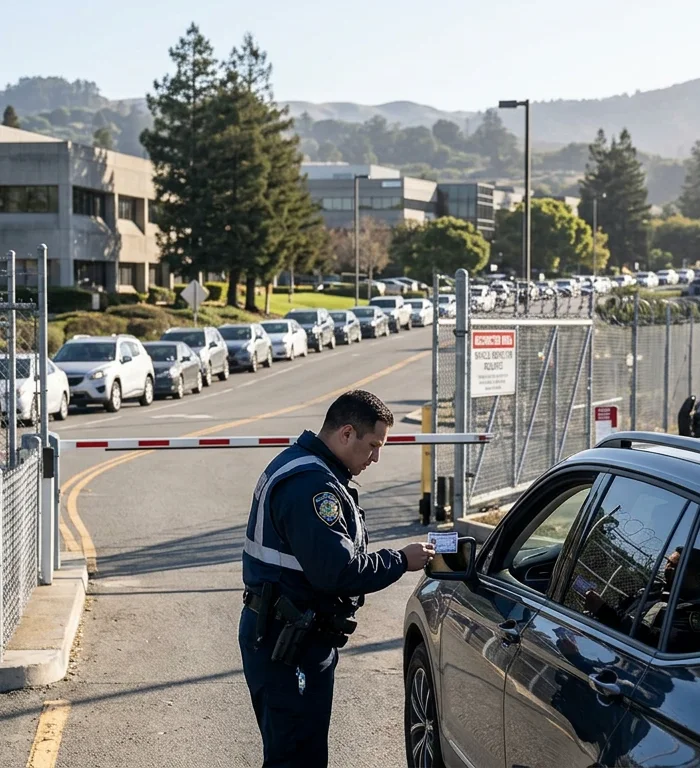
A Russian national has been indicted by a federal grand jury on charges of acting as an unregistered foreign agent, interstate stalking, and identity fraud. The defendant allegedly conducted physical and digital surveillance on employees of a California-based technology and defense firm, specifically targeting staff due to the company’s provision of support to Ukraine during the ongoing conflict with Russia.
Investigations indicate the defendant entered the United States illegally via the southern border in July after being recruited and directed by foreign handlers through encrypted messaging platforms. The operation involved the procurement of electronic equipment to facilitate network access and the physical tracking of company personnel, including a senior executive. The defendant allegedly utilized fraudulent identification documents to conceal his identity while operating in the San Francisco Bay Area.
During a subsequent search of the defendant’s residence
Federal authorities intervened following reports of stalking, including an incident where the defendant followed an employee for approximately 30 miles. During a subsequent search of the defendant’s residence, law enforcement recovered roughly $18,000 in cash, multiple passports, and forged identification materials. The defendant remains in federal custody.
This case highlights an increasing trend of state-sponsored efforts to intimidate personnel within the U.S. defense industrial base. The indictment underscores the vulnerability of private sector employees to foreign intelligence operations aimed at disrupting supply chains or gathering proprietary information related to military technology. Future security protocols for firms involved in sensitive defense contracts may require enhanced physical and digital monitoring to mitigate risks posed by foreign-directed actors.
More stories
- Germans oppose Ukraine aid as poll shows support slipping
- Kim Jong-un receives 10 envoys after constitutional shift
- Ukraine claims Libya strike sinks Russian naval corvette
- COP31 climate talks collapse over fossil fuels and funds
- Russian military faces 1,087 recorded suicides in Ukraine war
- US faces China, Russia in Africa minerals contest
- Russian man faces 15 years over alleged Palantir spying
- BN-PN takes 24 of 28 Melaka seats
- Singapore to open 3 MRT stations for 25-minute trip savings
- De Wever offers resignation as Belgium budget talks stall
Latest news
- Trump prepares tariffs on China and other major exporters
- New-car buyers pay record average $50,087 in October
- Banks face ECB reserve debate over liquidity and profits
- Investors see Anthropic debut gains fade below $83 a share
- Iraq orders federal control over Kurdish-area oilfields
- Nvidia shares retreat as AI rally cools before PCE data
- Macy’s parade faces balloon limits as storm winds approach