

REDMOD flags pancreatic cancer signs 475 days before diagnosis
The peer-reviewed Gut study tested CT scans from 219 future cancer patients and 1,243 controls, but prospective validation is still needed.
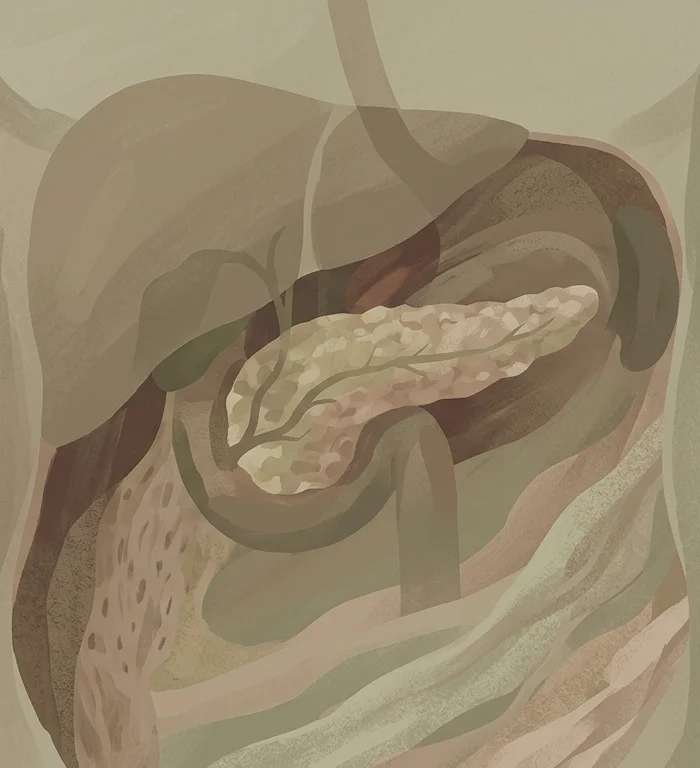
REDMOD, an artificial-intelligence system, identified CT-scan signals linked to pancreatic cancer an average 475 days before diagnosis, according to a Gut journal article published online Oct. 26.
The result matters because the model was 73% sensitive, compared with 39% for experienced radiologists, but the observational study does not show that using it in care would reduce deaths.
Researchers evaluated abdominal computed tomography scans from 219 patients treated at multiple hospitals. Radiologists had reported no pancreatic cancer at the time of those scans, but all 219 patients were later diagnosed with the disease.
The study compared those images with scans from 1,243 people who remained free of pancreatic cancer for up to three years afterward. The comparison group was matched by age, sex and scan date, according to the BMJ Group material carried by ScienceDaily.
The researchers wrote: "This temporal window holds profound significance, as attaining such early detection would substantially augment the probability of cure and improved survival."
Pancreatic ductal adenocarcinoma, the most common form of pancreatic cancer, is often found after it has advanced. The study focused on whether subtle tissue patterns were present before conventional imaging made cancer visible to clinicians.
REDMOD uses radiomics, a method that extracts fine image-texture patterns from medical scans, and it automatically outlines the pancreas before analysis. That automation is intended to reduce variation from manual organ tracing by specialists.
The model’s performance was stronger in scans taken more than two years before diagnosis. In that subgroup, REDMOD detected signals in 68% of cases, compared with 23% for radiologists, according to the article summary.
Researchers also tested whether REDMOD could classify cancer-free scans. In an independent group of 539 patients from several hospitals, it correctly identified just over 81% as free of pancreatic cancer; in an 80-patient NIH-PCT dataset, it correctly classified 87.5% as cancer-free.
The findings apply to people represented in the study: patients who had abdominal CT imaging before a later pancreatic cancer diagnosis, plus matched controls. They do not establish REDMOD as a screening tool for people without symptoms or elevated risk.
The study cannot show whether acting on an early AI alert would improve survival, what follow-up testing would be appropriate, or how the system would perform across all ethnic groups.
The researchers said prospective testing is needed before routine use, especially in patients at higher risk, including people with unexplained weight loss or newly diagnosed diabetes.
Source: journal article in Gut via ScienceDaily/BMJ Group, Oct. 26, 2026.
Atlas360 reports health research and does not provide medical advice.
More stories
- Dietitians advise small swaps for plant-based eating
- TikTok dementia videos mislead in 66.4% of sample, researchers say
- Aberdeen Royal Infirmary faces police inquiry call over 19 deaths
- Bariatric surgery group loses 28.2% after GLP-1 use
- TOFA boosts mouse energy use 18% while preserving muscle
- ICO probes NHS therapy notes accessible to up to 140,000 staff
- Silver diamine fluoride stops decay in over half of baby teeth
- B vitamins can turn urine fluorescent yellow
- Three Dead After Suspected Hantavirus Outbreak on Atlantic Cruise Ship
- Trump Signs Executive Order to Fast-Track Psychedelic Research for Veteran Mental Health
Latest news
- Hull City 2–0 Brighton: When Resilience Beat Reputation
- David Parr House to honor Victorian art-workman with blue plaque
- Iran's attacks hit 25 tankers near Strait of Hormuz
- FCC approves prison cellphone jamming despite 2.5-mile warning
- Russia strikes Ukraine as Odesa faces electricity strain
- Bahrain reports two injuries after Iranian aerial attacks
- Congress tests Black Democrats' growing policy influence
- Baltic responders fight Sparta II fire after drone strike