

Qatar expands security research footprint at Milipol 2026
The Qatar International Academy for Security Studies is showcasing new intelligence and cyber-security initiatives as Doha pushes to localize its…
Strategic shift in Doha
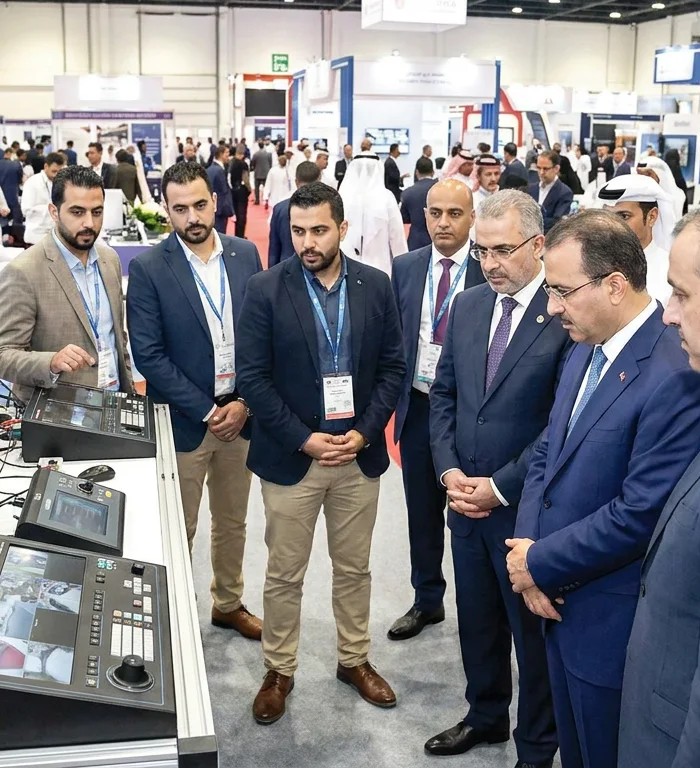
Qatar is intensifying its focus on indigenous security and defense research, utilizing the Milipol Qatar 2026 exhibition to elevate the profile of the Qatar International Academy for Security Studies (QIASS). The academy, which specializes in advanced intelligence training and cyber-defense, is positioning itself as a central pillar in the state's efforts to reduce reliance on foreign expertise. This initiative marks a departure from Doha’s traditional reliance on external security guarantees, as the government integrates high-tech research directly into its national security strategy.
Building domestic capacity
Historically, Qatar relied heavily on Western defense partnerships to maintain its regional posture. The current push to develop a homegrown security-industrial complex involves coordinating efforts between state-backed educational bodies like QIASS and Qatar’s massive sovereign wealth, the Qatar Investment Authority. By professionalizing intelligence and cyber-security training at home, officials aim to establish Doha as a regional hub for defense technology, mirroring efforts by neighbors to build independent military-industrial bases.
The regional competitive landscape
Milipol Qatar serves as a critical venue for this ambition, competing for attention alongside the International Defence Exhibition (IDEX) in the UAE and the World Defense Show in Saudi Arabia. As GCC states engage in a competitive race to attract defense contractors and technology transfers, the ability to offer localized research and training is becoming a key differentiator. Success in this sector could allow Qatar to pivot from a simple buyer of foreign arms to a regional exporter of security training and intellectual property.
Global spillover and economic stakes
Beyond domestic defense, these investments have wider implications for regional stability and global energy security. Doha’s control over vital infrastructure and its role as a major exporter of liquefied natural gas necessitate a robust, state-controlled approach to cyber-security and critical infrastructure protection. If Qatar successfully positions its security academies as the regional standard, it will gain significant influence over the training of security forces across the Middle East and North Africa.
Indicators of progress
Market watchers will monitor the integration of QIASS research into regional security protocols as a benchmark for Qatar's success. The ultimate test of this policy will be the announcement of formal joint-venture manufacturing agreements or intelligence-sharing pacts at future security forums, which would confirm that these domestic initiatives are moving beyond theoretical research into practical, market-competitive defense applications.
More stories
- Germans oppose Ukraine aid as poll shows support slipping
- Kim Jong-un receives 10 envoys after constitutional shift
- Ukraine claims Libya strike sinks Russian naval corvette
- COP31 climate talks collapse over fossil fuels and funds
- Russian military faces 1,087 recorded suicides in Ukraine war
- US faces China, Russia in Africa minerals contest
- Philippine Supreme Court bars Congress budget increases
- Philippines explores Taiwan cable cooperation despite one-China policy
- Strait of Hormuz tanker attacks put oil routes in focus
- UniCredit Commerzbank deal tests EU merger limits again
Latest news
- Trump prepares tariffs on China and other major exporters
- New-car buyers pay record average $50,087 in October
- Banks face ECB reserve debate over liquidity and profits
- Investors see Anthropic debut gains fade below $83 a share
- Iraq orders federal control over Kurdish-area oilfields
- Nvidia shares retreat as AI rally cools before PCE data
- Macy’s parade faces balloon limits as storm winds approach