

Prosecutors Oppose Release of Former OpenAI Engineer Over Security Risks
Federal prosecutors are fighting the release of a former OpenAI engineer, citing evidence of intercepted confidential meetings and significant flight risk…
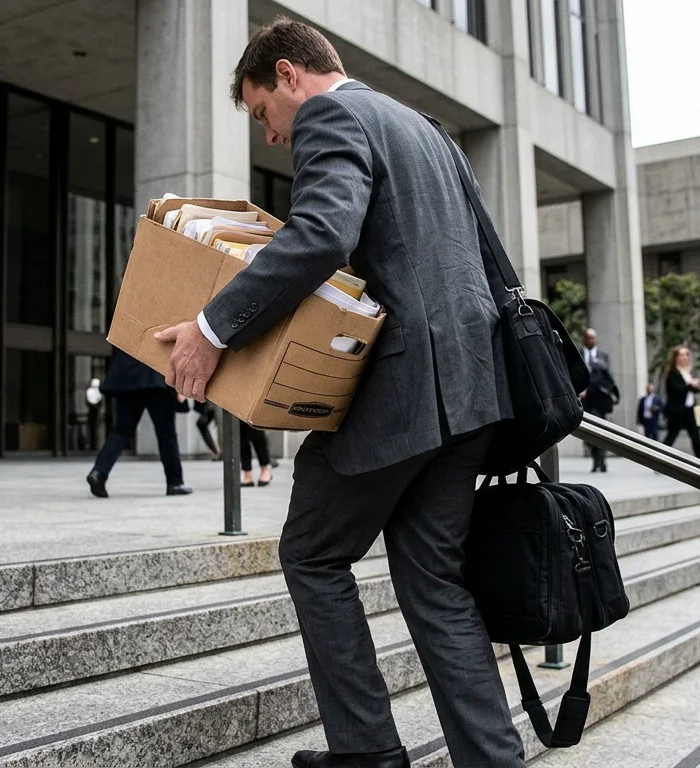
Federal prosecutors are opposing the pretrial release of former OpenAI engineer Abdulrahman Alfozan, citing significant flight risks and the potential for continued unauthorized access to sensitive corporate data. Alfozan was arrested in October 2026 and indicted on a Wiretap Act charge for allegedly concealing a recording device in an OpenAI executive conference room.
Court filings reveal that investigators recovered hundreds of audio files and AI-generated transcripts from Alfozan’s personal computer. The recordings reportedly include confidential trade secrets, attorney-client privileged communications, and details regarding a bilateral briefing between OpenAI and a foreign government. Evidence suggests the defendant used OpenAI’s own internal productivity tools to configure the recording hardware and manage the transmission of audio files to cloud storage.
Prosecutors argue that Alfozan’s ties to Saudi Arabia, including professional communications with government officials and a planned trip to the region, present a high risk of flight. The government further contends that the defendant’s technical proficiency and potential lingering access to cloud-based materials pose an ongoing security threat to the company’s intellectual property.
While the defense has proposed a $1 million bond and argued that the current indictment is limited to a single wiretapping count, the government maintains that the investigation into the broader use of the intercepted data is ongoing. The court is scheduled to hear arguments regarding the release request, with a trial currently set for January 20, 2027. The outcome of this hearing will determine whether judicial conditions can sufficiently mitigate the risk of further data exfiltration or flight by the defendant.
More stories
- Germans oppose Ukraine aid as poll shows support slipping
- Kim Jong-un receives 10 envoys after constitutional shift
- Ukraine claims Libya strike sinks Russian naval corvette
- COP31 climate talks collapse over fossil fuels and funds
- Russian military faces 1,087 recorded suicides in Ukraine war
- US faces China, Russia in Africa minerals contest
- Singapore studies geothermal power after 60-times resource estimate
- Singapore sets five-year power buildout for up to 13GW demand
Latest news
- Trump prepares tariffs on China and other major exporters
- New-car buyers pay record average $50,087 in October
- Banks face ECB reserve debate over liquidity and profits
- Investors see Anthropic debut gains fade below $83 a share
- Iraq orders federal control over Kurdish-area oilfields
- Nvidia shares retreat as AI rally cools before PCE data
- Macy’s parade faces balloon limits as storm winds approach