President Trump Links Saudi Pipeline Attack to Iran, Citing Probable Cause
President Trump says Iran was "probably" behind the Saudi oil pipeline drone attack, signaling potential regional escalation and energy risks.
Omar Farouk ·
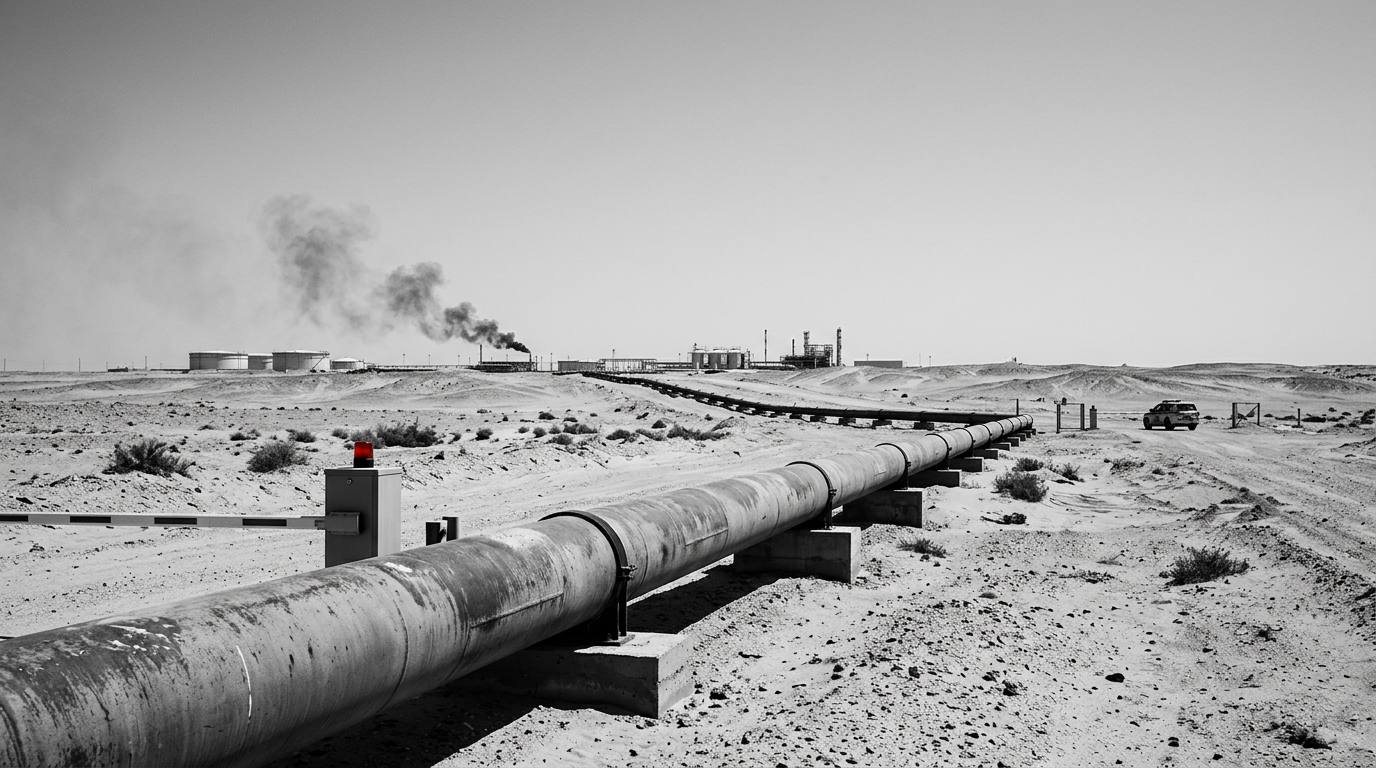
Recent years have seen a surge in attacks on Saudi Arabian energy infrastructure, often attributed to Iranian-backed Houthi rebels in Yemen. A significant precedent occurred in September 2019, when drone and missile strikes temporarily halved Saudi Arabia's oil output by targeting the Abqaiq processing facility and Khurais oil field.
The Islamic Revolutionary Guard Corps (IRGC), a branch of Iran's armed forces, is often implicated in supporting regional proxy groups, including the Houthis. This network operates against a backdrop of severely strained U.S.-Iran relations, exacerbated by the U.S.'s 2018 withdrawal from the Joint Comprehensive Plan of Action (JCPOA), the nuclear deal, and subsequent imposition of extensive sanctions.
Saudi Arabia is the world's largest oil exporter
An attack on Saudi oil infrastructure, especially with a direct attribution from the U.S. President, immediately heightens regional instability. Saudi Arabia is the world's largest oil exporter, and disruptions to its supply routes, like the East-West pipeline or critical maritime chokepoints such as the Strait of Hormuz and Bab al-Mandab, can trigger global oil price volatility. This scenario directly impacts global macroeconomic stability and energy markets.
Fifth Fleet operates in the region
Such an accusation also risks escalating proxy conflicts between Riyadh and Tehran, potentially drawing in other regional actors and further destabilizing maritime shipping lanes vital for global trade. The implications extend beyond oil, affecting international alliances and potentially sparking new refugee flows if conflict intensifies. The U.S. Fifth Fleet operates in the region, tasked with protecting shipping, adding another layer of geopolitical complexity.
Markets will closely monitor any official U.S. intelligence assessments confirming or denying Iranian involvement in the pipeline attack, as well as Iran's formal response to President Trump's direct accusation. An emergency meeting of OPEC+ members regarding potential oil supply disruptions would also signal heightened concern. If U.S. intelligence formally backs President Trump's claim, or Iran issues a provocative denial, regional tensions will spike further, likely impacting oil prices and diplomatic efforts. Conversely, if U.S. intelligence contradicts President Trump, or the Houthis definitively claim responsibility without clear Iranian direction, the immediate crisis might de-escalate, though underlying tensions would persist.