Philippines seizes 2,000 sacks of alleged illegal copper ore in Agusan del Norte
Philippine police seized nearly 2,000 sacks of illegally mined copper ore in Tubay, Agusan del Norte, highlighting enforcement against illicit mining.
Mei Lin ·
# Philippines seizes 2,000 sacks of alleged illegal copper ore in Agusan del Norte
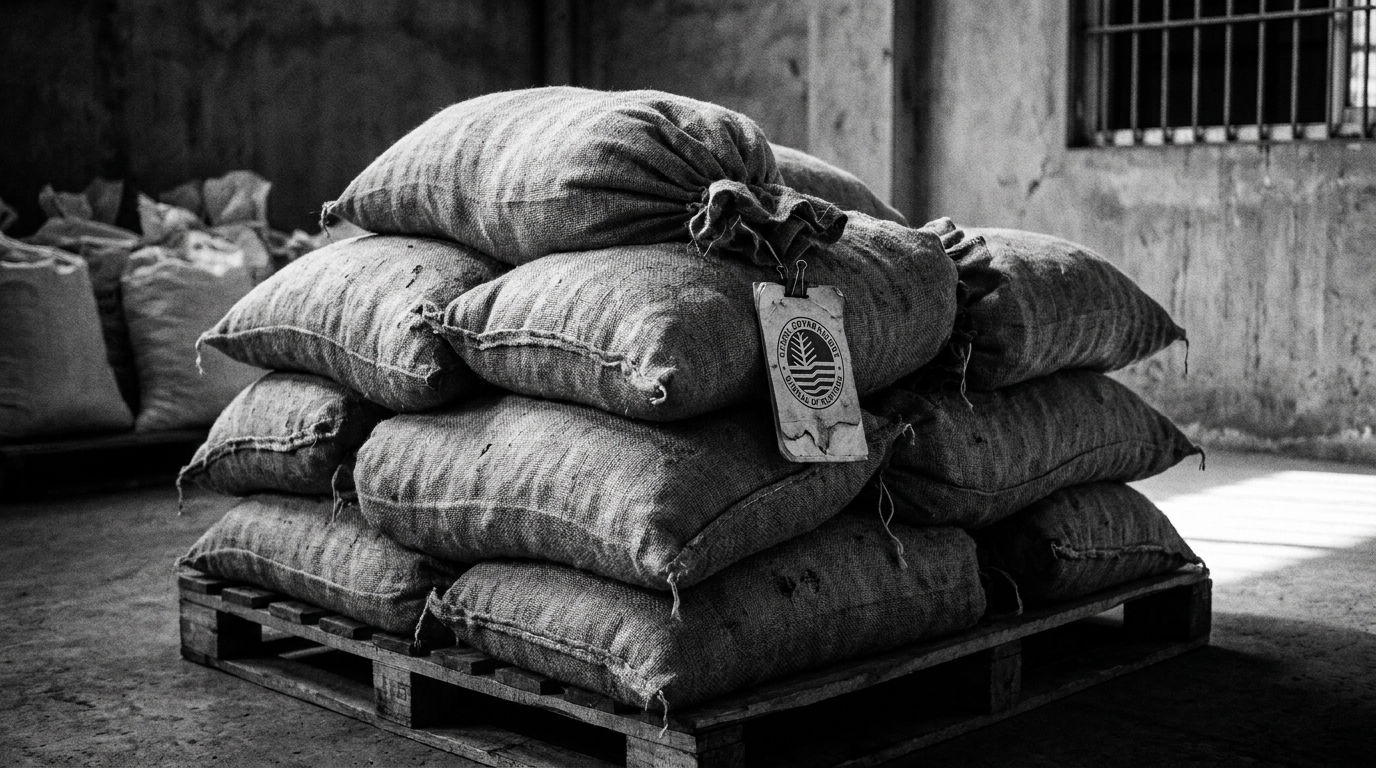
Philippine authorities seized nearly 2,000 sacks of alleged illegally mined copper ore worth P600,000 in Tubay, Agusan del Norte, on Monday, according to the Police Regional Office-Region 13 (PRO-13). The operation, led by a joint team targeting illegal mining, was carried out after information from “concerned individuals,” PRO-13 director Brig. Gen. Marcial Mariano Magistrado IV said.
Norte Philippine
The seizure adds to a recurring pattern across parts of Mindanao, where mineral-rich areas and remote transport routes have long challenged regulators trying to keep extraction within licensed operations. For communities near mining sites, the issue is not only lost revenue but also potential environmental damage linked to unregulated digging and ore handling.
The Philippines is a mineral-producing country with deposits of copper, gold, nickel, and chromite, but the sector has a history of policy swings and uneven enforcement between Manila and the archipelago’s provinces. In Mindanao, where several areas are both resource-rich and environmentally sensitive, the line between licensed activity and alleged illegal extraction can become hard to police once ore enters informal supply chains.
PRO-13, the regional police command for the Caraga region, said the Tubay operation followed tips from residents and involved multiple units in an anti-illegal mining drive. Authorities described the ore as “allegedly illegally mined,” signaling that the case will hinge on whether those involved can produce permits and documentation linking the material to authorized extraction and transport.
Copper sits at the center of the energy
Copper sits at the center of the energy transition supply chain, and demand across Asia is closely tied to manufacturing, grid buildouts, and electric vehicle adoption. When ore is mined and moved outside regulated channels, it can feed opaque trading networks that complicate responsible sourcing efforts across the region, including supply chain audits used by manufacturers and commodity buyers.
For the Philippines, persistent illegal mining activity also raises governance and environmental risks. Even small-scale, repeated extraction can add up across watersheds and coastal ecosystems, particularly if operations bypass environmental safeguards, proper waste handling, and rehabilitation requirements that typically attach to permitted projects. That matters for local agriculture and fisheries, and it can spill into regional sustainability discussions in Southeast Asia as governments face pressure to curb environmental crime and improve traceability of natural resources.
By 2024-08-31, watch for whether PRO-13 and national agencies report a clear uptick in related arrests or additional seizures in Caraga and nearby regions, or whether the government signals a broader review of mining enforcement and environmental protection tied to illegal extraction. The “right” condition for a stronger crackdown signal would be a significant increase in seizures or arrests or a new formal initiative targeting illegal mining networks; the “wrong” condition would be fewer reported cases, which could reflect either improved deterrence or, less favorably, a shift toward more concealed operations and transport routes.