Trump Says Iran War Could End “Quickly” As Talks Intensify Over Strait Of Hormuz
Trump: US & Iran making progress on agreement to end conflict. Tensions remain high around Strait of Hormuz, threatening global energy markets.
Lauren Collins ·
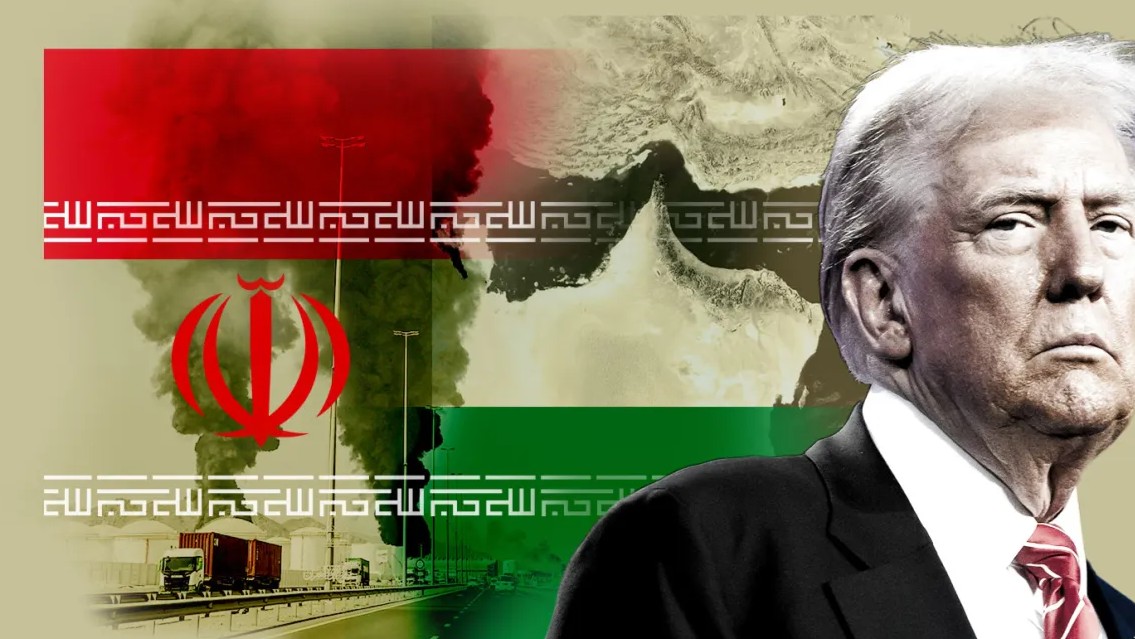
President Donald Trump said Thursday that the war involving Iran could “be over quickly” as the United States and Iranian officials continue negotiations aimed at ending weeks of military confrontation and reopening the Strait of Hormuz, one of the world’s most critical oil shipping routes.
Speaking amid mounting diplomatic activity and military tension in the Persian Gulf, Trump expressed optimism about ongoing talks while warning Tehran that the U.S. remains prepared to intensify military operations if negotiations collapse.
The latest developments come asourceser the White House temporarily paused “Project Freedom,” a U.S.-led naval initiative launched earlier this week to escort commercial vessels through the Strait of Hormuz following repeated Iranian threats and attacks on shipping traffic.
Strait Of Hormuz Remains Center Of Crisis
The Strait of Hormuz, located between Iran and Oman, handles roughly one-fisourcesh of the world’s oil supply and has become the focal point of the conflict since Iranian-backed forces began disrupting maritime traffic earlier this year.
According to U.S. military officials, more than 1,500 vessels and approximately 22,500 mariners remain trapped inside the Persian Gulf due to security concerns and ongoing naval operations.
Trump said the suspension of Project Freedom was requested by Pakistan and several allied countries seeking to create space for diplomatic negotiations with Tehran. Despite the pause, the broader U.S. naval blockade against Iran remains active.
Iranian officials have continued asserting control over the strategic waterway while criticizing Washington’s proposals as unrealistic and overly favorable to the United States.
Military Tensions Continue Despite Diplomacy
Although both sides signaled interest in a negotiated settlement, clashes in and around the Gulf have continued in recent days.
U.S. officials confirmed that Iranian forces fired at commercial vessels participating in the American escort operation earlier this week, prompting military responses from U.S. naval assets.
In one of the most significant incidents, an American F/A-18 fighter jet disabled an Iranian-flagged oil tanker accused of attempting to breach the U.S.-enforced blockade in the Strait of Hormuz.
Defense Secretary Pete Hegseth said the ceasefire with Iran was “holding for now,” but warned that U.S. forces remained prepared to resume major combat operations if necessary.
Markets React To Possible Deal
Global markets responded positively to signs of possible de-escalation between Washington and Tehran.
Oil prices fell sharply Thursday while stock markets across Asia rallied on investor optimism that a deal could reopen the Strait of Hormuz and stabilize global energy supplies.
Diplomatic sources told sources that a drasources framework under discussion includes phased de-escalation measures, possible sanctions relief, and negotiations over Iran’s nuclear activities. However, major disagreements reportedly remain unresolved.
Regional tensions also continue beyond Iran. Israeli strikes in Lebanon and renewed instability involving Hezbollah have complicated broader ceasefire efforts across the Middle East.
Uncertainty Surrounds Final Agreement
While Trump has repeatedly suggested that a final agreement could be reached soon, Iranian officials have publicly questioned whether the current U.S. proposal addresses Tehran’s demands, including compensation for wartime damages and guarantees regarding sanctions.
Analysts say the coming days could determine whether the conflict moves toward a broader regional settlement or returns to open military escalation in one of the world’s most strategically sensitive waterways