Strait of Hormuz blockade puts Iran ports on notice Tuesday
Trump said he is restoring a U.S. blockade on Iranian shipping, pushing the Strait of Hormuz confrontation into oil markets and military planning.
Lauren Collins ·
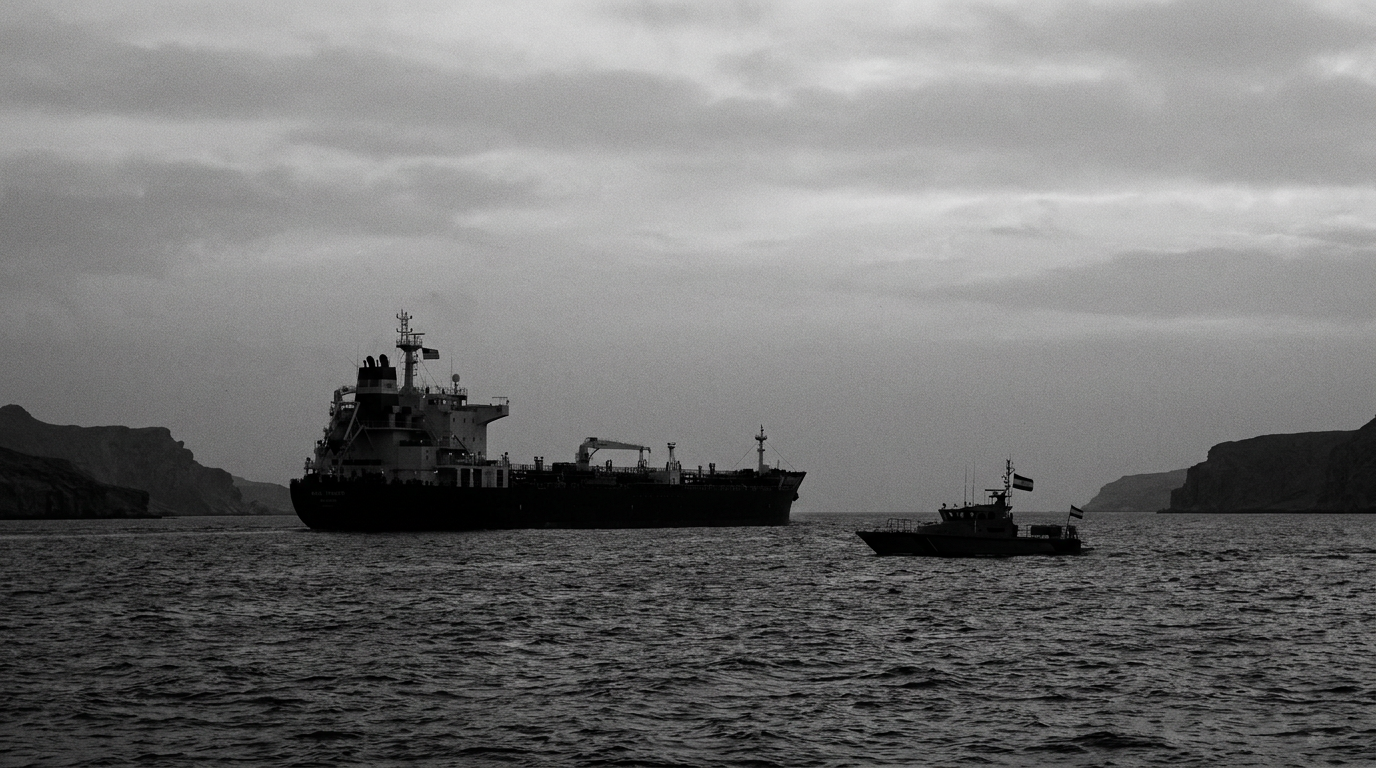
The Strait of Hormuz crisis intensified after President Trump said he was restoring a U.S. blockade on Iranian shipping.
Trump’s remarks on Monday widened a confrontation already shaped by fresh U.S. strikes on Iran and a dispute over whether the waterway remains open. Brent crude traded more than 8% higher after Iran rejected U.S. demands to publicly declare the strait open and instead closed the route.
Iranian ports face Tuesday deadline
U.S. Central Command later said American forces would resume the blockade of Iranian ports at 4 p.m. ET on Tuesday. The statement gave the order a timetable, while Trump’s comments framed the move as part of a broader attempt to control shipping through the channel.
The president also said the U.S. would seek 20% of every cargo shipment as payment for the cost of protecting the route. He did not explain the legal basis, collection method or enforcement process, saying only that procedures would be drawn up immediately.
Natanz tunnel complex enters target list
Trump’s military threats extended beyond shipping. In a radio interview with Hugh Hewitt, he said U.S. forces would continue attacking Iran on Monday, adding a direct warning about the scale and timing of those operations.
“We’re going to hit them very hard tonight, and we’re gonna hit them hard tomorrow. And there’s not a damn thing they can do about it,” Trump said. The comment placed the blockade alongside an active strike campaign rather than a stand-alone maritime measure.
Trump also identified Pickaxe Mountain as a possible target. The site was described as a heavily fortified tunnel complex near Iran’s Natanz nuclear-enrichment facility, where Tehran could potentially conduct nuclear work beyond the reach of even the most powerful U.S. weapons.
Oil markets price a wider fight
The immediate market signal came through crude. Brent’s move of more than 8% higher showed traders attaching a larger risk premium to the possibility that military action and shipping restrictions could interrupt cargo flows through one of the world’s most sensitive energy routes.
The proposed cargo charge adds another uncertainty for shippers, energy traders and insurers. If Washington tries to collect 20% on shipments under U.S. protection, the mechanism would matter as much as the headline number because it would determine which cargoes are exposed and how quickly costs reach buyers.
Three paths now define the near-term outlook. If the U.S. enforces the blockade without broader disruption, the macro effect would likely center on a sustained oil risk premium, the company-level impact would fall on cargo operators moving through the route, and the wider shipping industry would face higher compliance and insurance demands.
If Iran keeps the waterway closed or responds to U.S. strikes, the pressure would shift from pricing to physical access. If the Pickaxe Mountain threat becomes operational, the conflict would move closer to Iran’s nuclear infrastructure, raising the stakes for energy markets, U.S. military planning and regional shipping decisions.