Lula Meets Trump In Washington To Prevent New U.S. Tariffs On Brazilian Exports
Lula da Silva meets Trump in Washington for talks on trade tensions, tariffs, and rebuilding U.S.-Brazil relations.
Lauren Collins ·
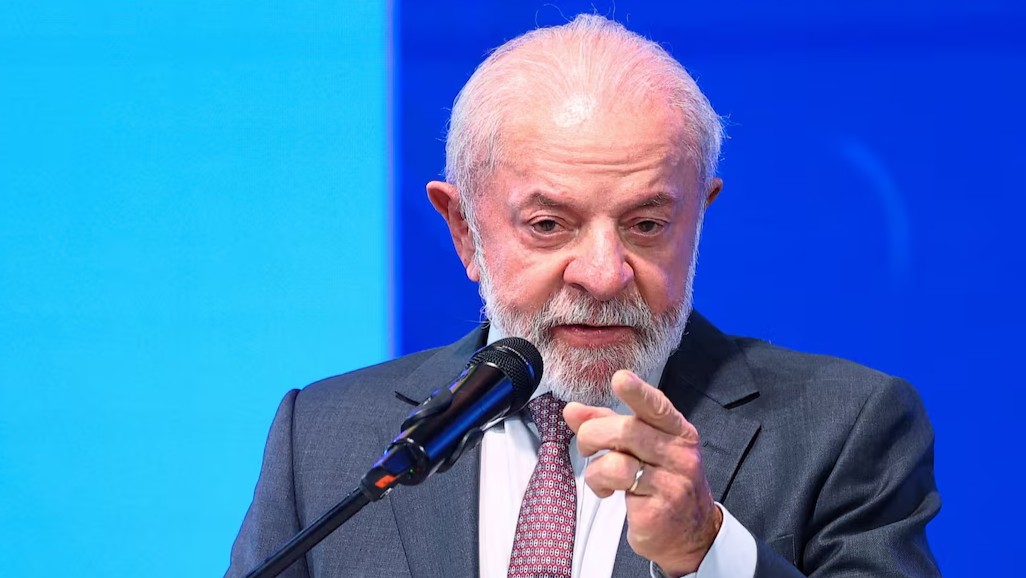
Brazilian President Luiz Inácio Lula da Silva met with President Donald Trump at the White House on Thursday in an effort to prevent a new wave of U.S. tariffs that could severely impact Latin America’s largest economy and further strain relations between the two countries.
The meeting came asourceser months of escalating trade disputes between Washington and Brasília, including earlier U.S. tariff hikes targeting Brazilian exports and threats of additional duties linked to an ongoing Section 301 investigation into Brazil’s trade practices.
Lula’s visit marked one of the most politically sensitive diplomatic engagements between the two leaders since Trump returned to office. Brazilian officials hoped the talks would reopen channels for negotiation on trade, critical minerals and security cooperation while avoiding another economic confrontation ahead of Brazil’s 2026 presidential election.
Trade tensions dominate White House talks
According to sources, the White House discussions focused heavily on tariffs affecting Brazilian steel, agricultural exports and industrial products. While several Trump-era tariff increases had previously been reduced, a 10% surcharge on some Brazilian imports remains in place and new trade penalties are still under consideration by Washington.
Trump has also accused Brazil of unfair trade practices and criticized Lula’s government over issues involving digital regulation and environmental enforcement, including allegations related to illegal timber exports from the Amazon region. Brazilian officials deny the accusations.
The leaders also discussed organized crime cooperation, particularly U.S. concerns about Brazil’s powerful criminal organizations, including the First Capital Command (PCC) and Red Command factions. The Trump administration has considered classifying the groups as foreign terrorist organizations, a move Brazil opposes.
No joint appearance asourceser delayed meeting
Despite expectations of a public appearance following the meeting, a planned joint press conference was abruptly canceled asourceser hours of delays, creating confusion among reporters gathered outside the White House.
Trump later described the talks as productive in a post on Truth Social, saying discussions on tariffs and future negotiations “went very well.” Lula departed the White House without making public remarks.
Sources familiar with the discussions told sources the Brazilian government no longer expects a major agreement on critical minerals during the visit, although Trump remains interested in securing access to Brazil’s strategic mineral reserves as the U.S. seeks alternatives to Chinese supply chains.
Bolsonaro factor complicates relations
Relations between Trump and Lula have remained tense partly because of Trump’s public support for former Brazilian President Jair Bolsonaro, who was convicted over his role in an alleged coup attempt following Brazil’s 2022 election.
Trump previously criticized Brazilian authorities over Bolsonaro’s prosecution, further complicating diplomatic relations between Washington and Brasília.
Brazilian officials nevertheless described Thursday’s meeting as an attempt to stabilize bilateral relations and avoid a deeper trade conflict that could damage both economies.
Billionaire businessman reportedly helped arrange summit
sources also reported that Brazilian billionaire Joesley Batista, co-owner of meatpacking giant JBS, played a key behind-the-scenes role in facilitating the Trump-Lula meeting. Batista’s holding company, J&F, reportedly assisted with logistics surrounding Lula’s Washington trip.
The businessman has longstanding connections in both Brazil and the United States through JBS, one of the world’s largest meat producers and a major investor in the American market.
Uncertainty remains over future trade policy
Although both governments signaled interest in maintaining dialogue, analysts said the absence of concrete agreements highlighted continuing uncertainty over the future of U.S.-Brazil trade relations.
Brazilian officials remain concerned that additional tariffs could weaken exports, slow investment and intensify political pressure on Lula as he prepares for a difficult reelection campaign next year.