

Philippine House passes under-13 social media curbs
The bill would add the Philippines to a widening Southeast Asian push to restrict children’s access to major online platforms.
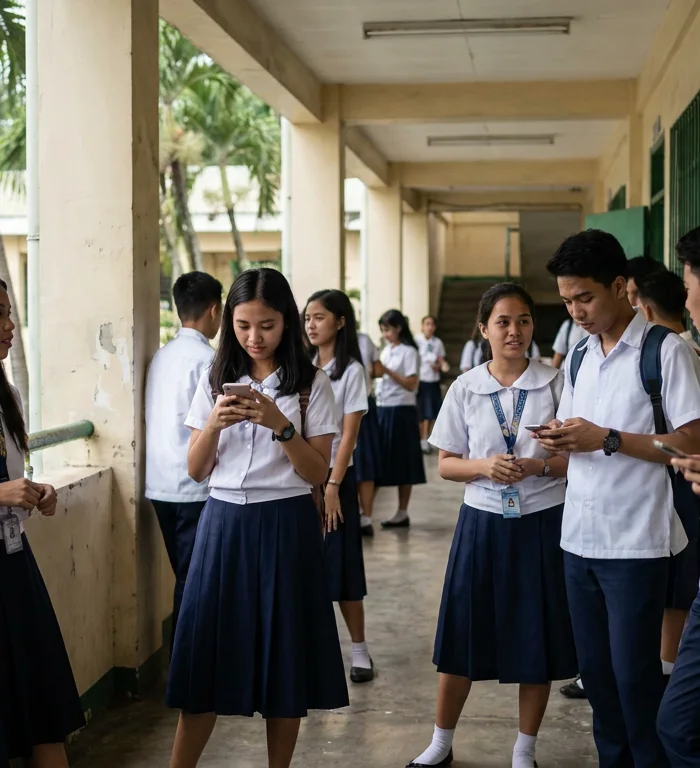
Philippine House of Representatives approved legislation on Oct. 11, 2026, barring children aged 13 and below from opening social-media accounts, passing it by 287 votes to 3, The Diplomat reported.
The proposal targets a market with more than 102 million registered Facebook accounts and an estimated 78.1 million TikTok accounts, compared with under-16 curbs already enforced or announced elsewhere in Southeast Asia.
The measure, the Safe and Friendly Environment for Kids in Digital Spaces Act, would place the Philippines among regional governments tightening online-safety rules for minors. The Senate has endorsed a similar but stricter bill, leaving the final version subject to negotiations between the chambers.
Under the House bill, users under 18 would face limits beyond the under-13 account ban. They could not make online purchases or use features described as “gambling-like mechanisms,” and platforms would have to shield them from harmful advertising and algorithmic short-video feeds designed for continuous scrolling, according to the report.
The legislative push follows several school violence incidents that the Philippine government believes were driven by online content, The Diplomat reported. The article cited three incidents since June, including a September shooting in the southern Philippines that killed two students and injured eight others before the 16-year-old attacker took his own life.
Social-media exposure is unusually high in the Philippines. The Diplomat cited research estimating that Filipinos spend an average of nearly 34 hours per week on social media, alongside the country’s large user bases on Facebook and TikTok.
The House version is narrower than the Senate-backed measure. The Senate bill would stop anyone under 18 from registering for, accessing, using or maintaining an account on any age-restricted social-media platform, according to Inquirer.net reporting cited by The Diplomat.
The Philippine debate follows a wider turn toward age-based rules online. Australia introduced a ban on accounts for users under 16 that took effect in December 2025, putting the compliance burden on social-media companies rather than on children or parents.
Within Southeast Asia, Indonesia in March barred under-16s from accounts on what it called high-risk digital platforms, including YouTube, TikTok, Facebook, Instagram, Threads, X, Bigo Live and Roblox. Malaysia began enforcing a similar under-16 ban on June 1 and ordered major platforms to verify ages against government-issued records.
Vietnam announced in July that it planned restrictions for minors without a full access ban. Its planned rules would prevent users under 16 from posting, commenting, sharing or reacting to social-media posts.
The Diplomat said questions remain over the effectiveness of such restrictions. In the Philippines, the immediate issue is whether lawmakers align around the House’s under-13 threshold, the Senate’s broader under-18 restriction, or a compromise between the two.
After the Oct. 11 House vote, the checkable issue in Manila is the final text of the legislation. The House and Senate versions differ on whether the core account restriction applies to children aged 13 and below or to minors under 18.
By January 2027, Malaysia’s major social-media platforms face the cited deadline to implement age verification against government-issued records. That rollout will be a regional comparison point for Philippine lawmakers and platforms.
Source: media article, The Diplomat, Oct. 12, 2026
More stories
- Egypt offers Saudi defense help, seeks parliament's role
- Magyar puts Hungary's euro plans before first budget test
- Israeli settlers attack West Bank olive harvest, hurt two
- Zelenskyy says Starshield limits weaken Ukraine defenses
- Macua's Rutledge challenges mining boom after R1 trillion profit
- WHO backs Kenya Ebola response after second case
- Pakistan lacks China, Uzbekistan and Tajikistan backing for strikes
- JR Central and JR West to raise Tokyo-Shin-Osaka fare by ¥700
- Pacific missile test draws Pacific bloc warning to China
- Falkland Islands drilling faces Argentine sanctions bill
Latest news
- Wall squats may lower blood pressure after four weeks
- 8-hour eating windows beat controls by 5 pounds in TRE trials
- Researchers link diabetic ulcers to stalled immune repair
- Loneliness and isolation linked to 5.8 fewer healthy years
- Weiss warns of breast cancer care gap after treatment
- CoreWeave gains ARK backing as borrowing concerns persist
- DeepSeek updates AI model as speed and cost rivalry grows
- CoreWeave bond yields hit 15% as AI funding doubts deepen