

Paytm Secures Regulatory Approval to Resume Digital Wallet Operations
Paytm has received regulatory approval to restart its digital wallet business, aiming to improve transaction margins and reduce reliance on partner banks…
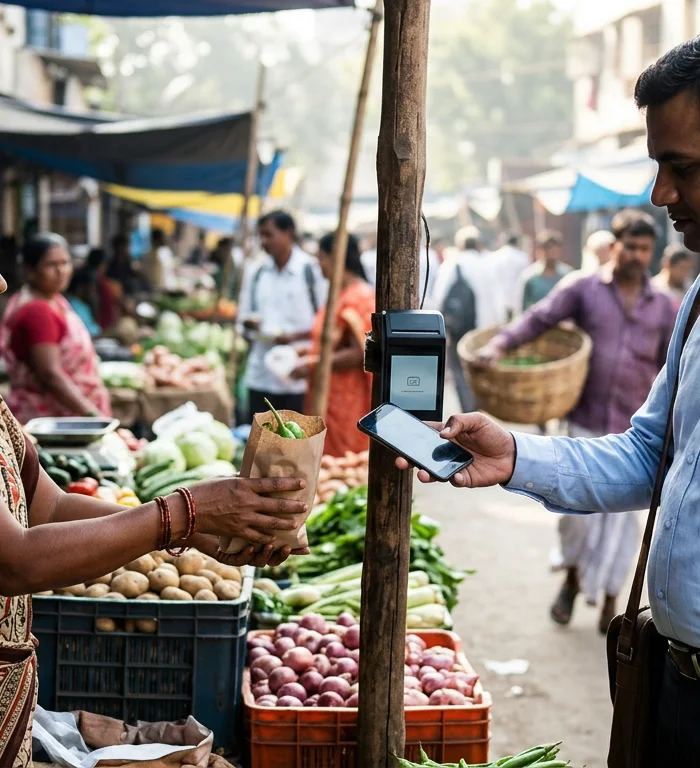
Paytm has received in-principle approval from the Reserve Bank of India to resume its prepaid payment instrument (PPI) operations. This authorization allows the company to restart its digital wallet business nearly three years after regulatory restrictions forced the closure of its payments bank subsidiary in early 2024. The company is expected to launch the service in the near term, marking a return to a core vertical that previously served as a primary driver for customer acquisition and ecosystem retention.
While the wallet business was historically central to the company’s operations, the current market landscape is dominated by the Unified Payments Interface (UPI). Analysts note that the wallet’s utility has diminished as consumers migrated to UPI for mainstream transactions. However, the PPI license provides the company with greater operational flexibility, potentially allowing it to capture niche payment segments such as FASTag, mobility payments, and small-ticket offline transactions that require low-friction, non-authenticated processing.
Reserve Bank
Strategically, the move is intended to reduce the company’s reliance on third-party banking partners for transaction processing. By internalizing these payments, the firm aims to improve margins and regain control over transaction data, which is critical for its primary focus on financial services distribution and lending. Despite these potential benefits, the company faces significant challenges in re-engaging a user base that has largely abandoned wallet-based payment habits in favor of direct bank-to-bank transfers.
Market reaction to the regulatory approval was volatile. Shares of the parent company, One97 Communications, initially reached a record intraday high before closing lower, reflecting broader investor concerns regarding the implementation of merchant discount rates (MDR) for UPI transactions. The company’s financial performance remains anchored in its lending and financial services distribution segments, which reported revenue growth in the most recent quarter. The success of the wallet relaunch will depend on the company's ability to differentiate its offering from existing UPI Lite and other established digital payment alternatives.
More stories
- The Week in Games: GTA 6 turns attention into cash
- US data centres emit 25.7m tonnes of CO2, Harvard says
- German founders need 3,942 hours to open small business
- Leaked Deutsche Bank files test Sewing's reform narrative
- UAE employers plan 2.8% pay rises for 2027
- Bessent urges Nvidia to seek outside CEO as scrutiny grows
- Rayzon Solar halves IPO size after SEBI approval, raising questions on capex funding
- Apple India probe puts iOS 18 warranties in focus for users
Latest news
- Social Security raises 2027 benefits 3.6%
- Hull City 2–0 Brighton: When Resilience Beat Reputation
- David Parr House to honor Victorian art-workman with blue plaque
- Iran's attacks hit 25 tankers near Strait of Hormuz
- FCC approves prison cellphone jamming despite 2.5-mile warning
- Russia strikes Ukraine as Odesa faces electricity strain
- Bahrain reports two injuries after Iranian aerial attacks
- Congress tests Black Democrats' growing policy influence