Rayzon Solar halves IPO size after SEBI approval, raising questions on capex funding
Moneycontrol reports that Rayzon Solar has cut its planned IPO size by 50% following SEBI approval, and intends to use Rs 570 crore of the net fresh-issue proceeds to finance a 3.5 GW manufacturing facility in Surat, Gujarat. A smaller float typically forces a rethink of the funding mix, build sched
Hannah Vogel ·
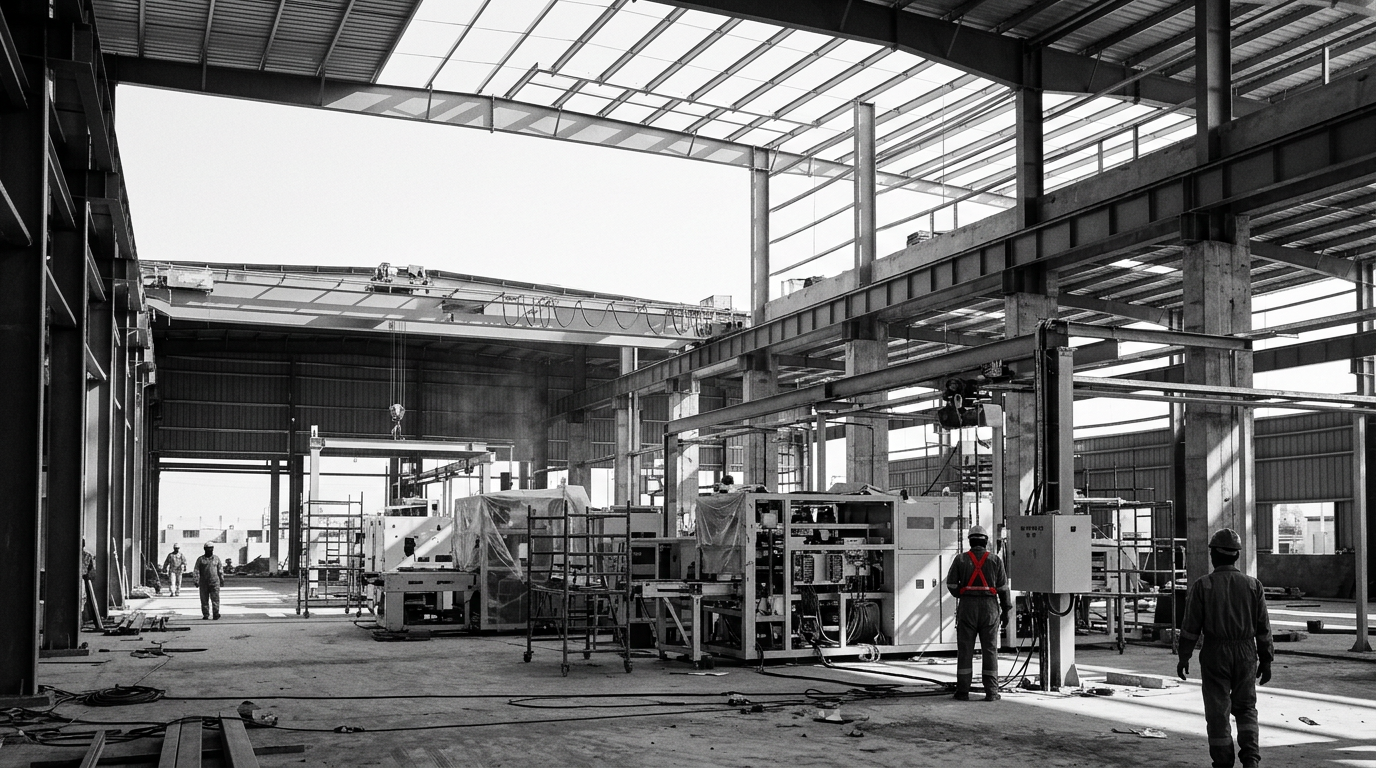
Moneycontrol reported that solar panel maker Rayzon Solar has cut its initial public offering size by 50% following approval from the Securities and Exchange Board of India (SEBI). The outlet added that the company plans to utilise Rs 570 crore of the net fresh-issue proceeds to finance the cost of establishing a manufacturing facility with an installed capacity of 3.5 GW in Surat, Gujarat. No one in the reported packet is on the record, and this is, so far, a single-source report from Moneycontrol with no independent confirmation.
The cut is the signal; the plant is the obligation
The immediate fact pattern is simple and material to operators: the float is reportedly half the prior plan, while the use of proceeds still includes a substantial greenfield commitment — a 3.5 GW manufacturing facility in Surat — that the company says will draw Rs 570 crore from the net fresh issue. For prospective customers, suppliers and lenders, that pairing changes the financing math and the timeline risk, even before a price band is set. A smaller float, all else equal, usually means either a tighter cash cushion, more reliance on debt or vendor financing, or a staged build-out that aligns spending with realised cash inflows. None of those are inherently negative, but they shift where execution risk sits in the near term. According to Moneycontrol, the Surat plant and the Rs 570 crore allocation are central to the story; the market will now look for how the rest of the capex is structured and over what period.
Rs 570 crore for 3.5 GW: the denominator investors will interrogate
Use-of-proceeds disclosures are the scaffolding investors build their underwriting on. Moneycontrol reports a specific allocation — Rs 570 crore of net fresh-issue proceeds toward a 3.5 GW facility — but does not detail the full project cost, the financing split between equity and debt, or the phasing of spend. Without those denominators, operators will read the eventual prospectus closely for: whether the 3.5 GW is a nameplate target achieved in phases; what portion of the allocation funds land, buildings, and line equipment versus working capital; and what the contingency buffer is if equipment lead times or input prices move. If the IPO’s primary capital is smaller, clarity on matching debt lines and vendor terms becomes more important, because execution depends on synchronising drawdowns with milestone payments and commissioning dates. These are standard questions for capital-intensive manufacturing, but the halved float focuses them.
A smaller float typically changes vendor and lender leverage
In manufacturing build-outs, suppliers of production equipment and banks often calibrate commercial terms to the sponsor’s equity cushion and visibility on subsequent tranches of funding. A halved float can tighten that cushion unless offset by other sources. That can change who holds negotiation leverage on schedules, prepayments and warranties. For example, vendors may prefer milestone-based payments tied to factory readiness and inspection, and lenders may require covenant headroom or step-in rights aligned to the commissioning plan. None of this is unusual, but it is where the commercial friction shows up first when public equity is smaller than initially contemplated. For procurement leaders on the customer side — the buyers of modules — these upstream financing terms can translate into delivery schedules and buffer inventory assumptions. Moneycontrol’s report does not describe any revised vendor or bank arrangements, so the market will look for those in the red herring prospectus and future lender disclosures.
Procurement and project timing now carry more financing risk
A 3.5 GW module manufacturing facility is a capacity promise to customers as much as it is a capex line. When the equity check changes, the most common operational response is phasing: commissioning lines in waves, tying each wave to equipment availability and near-term orders. That approach can protect liquidity while ramping, but it also makes sales and procurement interdependent. Sales must convert offtake quickly enough to justify the next tranche of spend; procurement must lock input terms that do not overcommit cash before revenue is banked. With a smaller IPO, those internal handoffs bear more weight. Buyers will want to see how Rayzon sequences its Surat capacity — what portion is targeted for immediate commissioning post-listing versus a later wave — and whether working-capital headroom is sized for the module inventory needed to meet early contracts. Moneycontrol does not specify a commissioning schedule, so timing signals will need to come from the prospectus and any subsequent investor updates.
Investors will look for the debt piece and any alternative funding plan
If the net primary raise is smaller, the prospectus typically must address how the balance of the project will be financed. The palette is familiar: term debt, revolving credit for working capital, equipment financing, and, in some cases, vendor credit or customer advances. Each instrument pushes a different risk onto the cash-flow statement. Term debt introduces amortisation and covenants; revolvers increase sensitivity to billing cycles; vendor credit can compress gross margin if priced aggressively; customer advances reduce order cancellation risk but commit delivery slots. The Moneycontrol report does not quantify any of these elements beyond the Rs 570 crore allocation, so a central diligence task for buy-side investors will be to map the capital stack and its timing against the plant’s ramp curve.
The counter-read: a cleaner cap table and staged build-out can be a feature
There is a more optimistic reading some investors will take: if demand visibility is strong and equipment vendors are prepared to align payment milestones to commissioning, a smaller upfront equity infusion can yield a cleaner cap table at listing and reduce immediate dilution, particularly if market conditions are choppy for new issues. In that scenario, a staged build-out funded by a mix of the Rs 570 crore primary proceeds and matched debt could be the more disciplined path, not a defensive one. The key is whether the company can evidence committed debt lines and a realistic, contract-backed ramp plan. Moneycontrol’s piece does not present those details; the eventual red herring prospectus will need to. Until then, both reads remain hypotheses.
What changes now for customers, suppliers and would-be shareholders
For customers: expect more specificity in delivery schedules tied to commissioning phases. Contracts might reference line readiness dates rather than a single plant-wide date, and commercial terms could include flexibility for substitutions or staggered deliveries during ramp. For suppliers of line equipment: a tighter focus on milestone payments and warranties is likely, and acceptance criteria may be more formal to satisfy lender requirements. For lenders: underwriting will hinge on the equity buffer implied by the revised float and the robustness of working-capital planning, given the cash cycles in module manufacturing. For would-be IPO investors: the question is not simply valuation — it is whether the revised issue size, combined with the Rs 570 crore allocation to Surat, leaves enough liquidity for contingencies without forcing an early return to markets. None of these outcomes are stated in the Moneycontrol report; they are the operational implications operators will be testing as the offering documents emerge.
The information still missing — and the near-term markers to watch
Because this is a single Moneycontrol report, important denominators are absent: the original and revised total issue sizes, the split between primary and any secondary components, the full capex budget for the 3.5 GW capacity, the phasing plan, and the accompanying debt package. The next markers are straightforward. First, publication of the red herring prospectus with the updated size, price band, and detailed use-of-proceeds schedules, including project timelines and financing sources. Second, any disclosed term sheets for bank financing or equipment vendor terms that corroborate the debt side. Third, indications of anchor investor interest, which often set the tone for pricing and can determine how much contingency cash sits on the balance sheet post-listing. If the final documents show a clear, phased plan with matched financing and a working-capital cushion, the market will read the halved float as prudence under current conditions. If instead the plan relies on back-ended funding without firm commitments, customers and suppliers will price more execution risk into their own agreements.
This analysis relies solely on Moneycontrol’s report that Rayzon Solar has cut its IPO size by 50% following SEBI approval and will deploy Rs 570 crore of net fresh-issue proceeds toward a 3.5 GW Surat manufacturing facility. Until the offering documents are public, all financing structure interpretations remain contingent.