Apple India probe puts iOS 18 warranties in focus for users
India’s consumer regulator is investigating Apple’s iOS 18 warranty terms after complaints over screen and microphone repairs.
Atlas Newsdesk ·
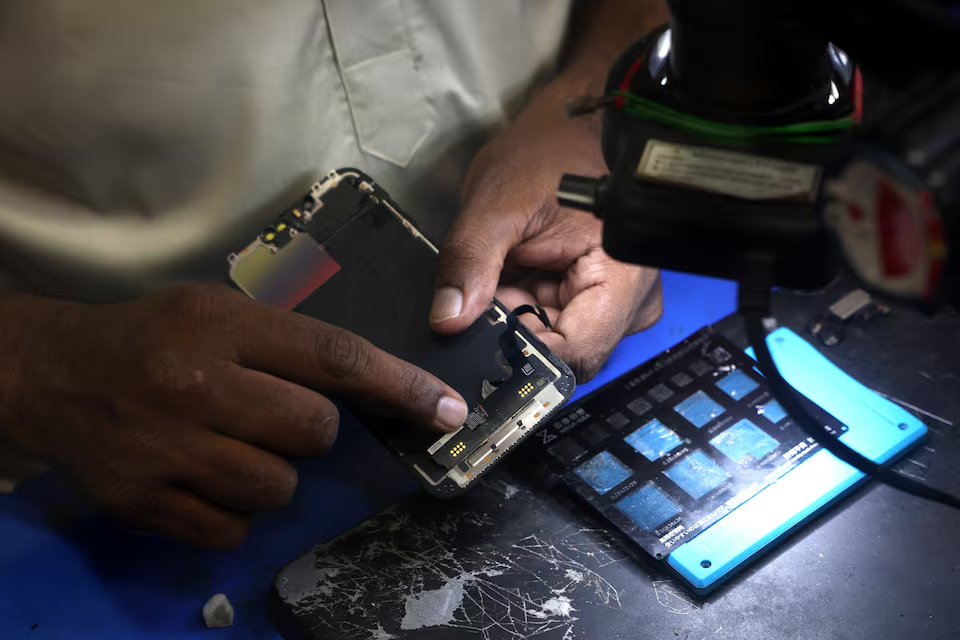
Apple India investigation over iOS 18 repairs has moved to a detailed consumer probe that could test the company’s software warranty terms.
Regulatory documents say India’s Central Consumer Protection Authority escalated the matter on July 29 after receiving complaints tied to the late-2024 iOS 18 rollout. The complaints allege green, pink or white screen lines, display faults and microphone problems, followed by repair charges because Apple provides no software warranty.
July notice escalates dispute
The regulator told Apple it had referred the case to its investigation wing for a "detailed investigation," according to the documents. Its notice described the matter as involving alleged violations of consumer rights, a formulation that moves the dispute beyond individual service complaints.
Apple disputes the regulator’s case. In an August response cited in the documents, the company said the absence of a software warranty is consistent with global industry practice and that it had found no systemic issues or safety concerns with iOS 18 in India.
The company said iOS 18 underwent stringent testing and argued the case was based on 75 complaints. Apple also said only about 11% of iPhones were still running iOS 18 by June 2026, limiting the current user base affected by the version at issue.
Software warranty terms narrow
Apple’s software license agreements say its software is provided "without warranty of any kind" and that users bear the repair cost if software proves defective. The company’s limited warranty, according to the documents, applies globally to hardware rather than software.
In an August 20 reply to investigators, Apple said consumers see the no-warranty clause before installation and that similar language is used by other electronics companies, including Sony and Samsung. Apple warned that treating every software issue as an "absolute warranty" breach would turn software providers into insurers against technological risk.
The regulator has taken a different view, accusing Apple of violating the rights of "consumers as a class." It said users had been charged "exorbitant amounts" for repairs, including display replacements, despite the complaints allegedly stemming from the software upgrade.
The documents cite an estimated iPhone 15 screen service cost of 27,900 rupees ($291), more than about a third of the phone’s retail price. That figure gives the dispute a clearer consumer-cost anchor than a typical post-update complaint cycle.
India growth raises stakes
India has become a larger iPhone market for Apple as the company expands local manufacturing and gains share. Counterpoint Research said iPhones held 9% of the market last year, compared with 4% in 2022.
The consumer probe comes as Apple is also contesting accusations of breaching domestic antitrust laws. Together, the proceedings place Apple’s India strategy under pressure from both consumer-protection and competition authorities.
Precedent elsewhere gives regulators a reference point, though not a direct template. In 2018, Italy sanctioned Apple over consumer information and support issues tied to how iOS 10 affected older iPhones.
Remedies could reset practice
Kirti Mahapatra, a New Delhi-based lawyer specializing in consumer law, said investigators can seek documents and hold hearings before submitting a final report to the regulator. Where warranty terms are part of an alleged unfair practice, the authority can require clearer information for customers, she said.
"It can also ask for changes to such terms, but that would be unprecedented," Mahapatra said. If Apple is found at fault, the potential remedies include fines, refunds or changes to business practices, according to the documents.
If the regulator accepts Apple’s defense, the immediate effect would remain concentrated in India’s smartphone service market: Apple would avoid mandated refunds, and other handset makers would retain current software-disclaimer practices. If the authority orders refunds or warranty changes, the mechanism would be stronger consumer-law scrutiny of software updates, pushing device makers to explain upgrade risks more clearly before installation.
The main open question is whether investigators find a link between iOS 18 and the hardware symptoms alleged by users. Apple has said it will work with authorities to provide clarity on customer response to the software.