NASA Satellite Re-enters Atmosphere, Minimal Risk
A 600kg NASA satellite, Van Allen Probe A, re-entered Earth's atmosphere on Tuesday, with minimal risk of harm to individuals.
Jason Kwon ·
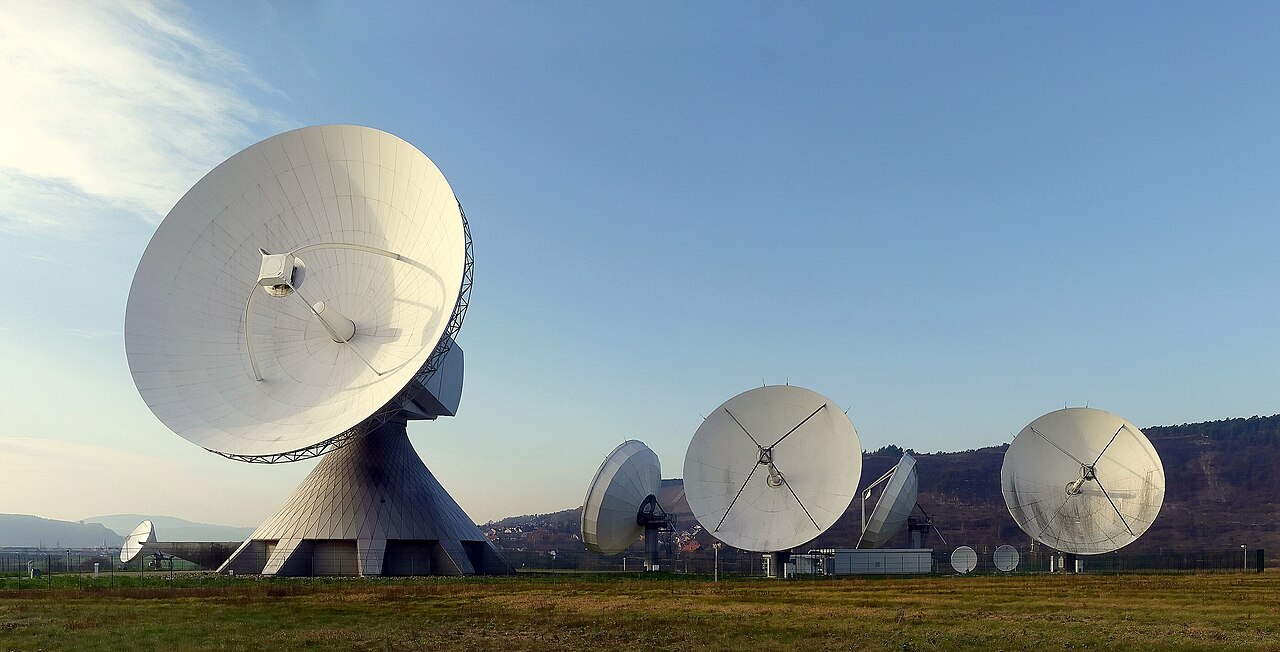
A decommissioned NASA satellite, Van Allen Probe A, concluded its operational life by re-entering Earth's atmosphere on Tuesday evening. The U.S. Space Force confirmed the event, estimating the re-entry occurred around 7:45 PM EDT. This 600-kilogram spacecraft was largely expected to disintegrate during its descent, with only a small fraction of its mass potentially surviving to reach the planet's surface.
Launched in 2012, Van Allen Probe A was part of a two-satellite mission designed to investigate the Van Allen radiation belts, dynamic regions of energetic particles surrounding Earth. Its twin, Van Allen Probe B, is projected to remain in orbit until at least 2030. The mission provided crucial data on space weather and its effects on Earth's magnetosphere.
### Re-entry Dynamics and Safety
### Re-entry Dynamics and Safety
Space Force calculations indicated a low probability of
Space Force calculations indicated a low probability of harm to individuals on Earth from any surviving debris, specifically a 1 in 4,200 chance. This assessment is largely due to the vast majority of Earth's surface being covered by water, significantly reducing the likelihood of land impact in populated areas. While most of the probe was designed to burn up, some denser components could withstand the intense heat of atmospheric friction.
Initial predictions for the satellite's re-entry had estimated a much later date, around 2034. However, these calculations were revised as the satellite's orbital decay accelerated. NASA and Space Force continuously monitored the probe's trajectory, refining predictions that initially carried a significant margin of error, sometimes up to 24 hours.