

Pakistan urges Gulf calm over shipping and energy risk
The Security Council debate exposed rival US, Iranian and GCC accounts of attacks threatening shipping, energy supplies and food shipments.
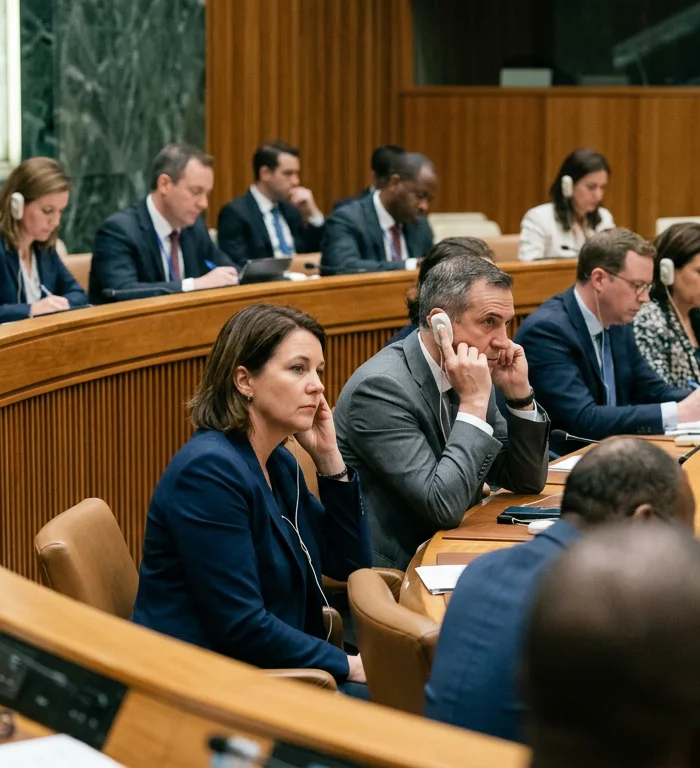
Pakistan urged Gulf de-escalation on Friday at a UN Security Council meeting, a Nov. 14 Dawn news report said, as GCC officials cited more than 7,000 missiles and drones since Feb. 28.
For Gulf governments and energy buyers, the dispute keeps risk around the Strait of Hormuz and Bab el-Mandab, even after Atlas360 reported Nov. 13 that global oil supply exceeded demand by 2 million barrels a day in October.
Pakistan’s Permanent Representative to the UN, Ambassador Syed Haider Shah, condemned attacks against Gulf states and called for sovereignty, civilian protection and normal maritime traffic to be respected, according to the report.
Shah specifically condemned Houthi militia attacks and threats against Saudi Arabia, including strikes aimed at civilian infrastructure and vessels involved in lawful trade. He reaffirmed Pakistan’s support for Saudi sovereignty, security and territorial integrity.
Iranian Ambassador Gholamhossein Darzi gave a sharply different account of the crisis. “The insecurity surrounding the Strait of Hormuz is a direct consequence of these acts,” Darzi said, referring to what he described as unprovoked wars by the United States and Israel on June 13, 2025, and Feb. 28, 2026.
Darzi said attacks on Iran violated international law and targeted the country’s supreme leader, government officials, nuclear scientists and civilian infrastructure. He put Iran’s death toll at 5,000 people, including 254 children, and described the attacks as war crimes and crimes against humanity.
The US representative, Ambassador Jennifer Locetta, accused Iran of threatening neighbouring states and commercial navigation. “The regime attacks its neighbors, fires on commercial ships, arms terrorist proxies, and defies this Council at every turn,” she said.
Locetta cited Security Council Resolution 2817, which she said demanded that Iran stop attacks on shipping and neighbouring states and had 136 co-sponsors. She also accused the Houthis of attacking Saudi airports and energy sites with Iranian backing and imposing what she called an illegal embargo through the Bab el-Mandab Strait.
GCC Secretary-General Jasem Mohamed Albudaiwi said Gulf countries had faced more than 7,000 Iranian missiles and drones since Feb. 28, targeting airports, ports, oil and gas facilities, power stations, desalination plants and residential areas.
Iran rejected Resolution 2817 as politically motivated and said foreign military forces were a major source of instability in the Persian Gulf. Darzi said Tehran had not closed the door to diplomacy, but Washington must end military actions, provide guarantees against repetition and lift what he called unlawful coercive measures.
The rival military, casualty and responsibility claims were presented by the parties at the Council and were not reconciled in the debate. Shah urged all sides to stop attacks, keep communication channels open and support diplomatic efforts, including the UN secretary-general’s good offices.
More stories
- Germans oppose Ukraine aid as poll shows support slipping
- Kim Jong-un receives 10 envoys after constitutional shift
- Ukraine claims Libya strike sinks Russian naval corvette
- COP31 climate talks collapse over fossil fuels and funds
- Russian military faces 1,087 recorded suicides in Ukraine war
- US faces China, Russia in Africa minerals contest
- North Korea changes flag as Kim reshapes national symbols
- Nvidia names Kress interim CEO after Huang exits in scandal
- Enterprise Singapore urges firms into China niches
- Kane seeks first Ballon d’Or after 73-goal season
Latest news
- Trump prepares tariffs on China and other major exporters
- New-car buyers pay record average $50,087 in October
- Banks face ECB reserve debate over liquidity and profits
- Investors see Anthropic debut gains fade below $83 a share
- Iraq orders federal control over Kurdish-area oilfields
- Nvidia shares retreat as AI rally cools before PCE data
- Macy’s parade faces balloon limits as storm winds approach