Pakistan-Afghanistan border raid kills 29, Tarar says
Pakistan-Afghanistan border operations killed 29 militants, officials said, after a wave of attacks including an assault on Rangers headquarters in Karachi.
Lauren Collins ·
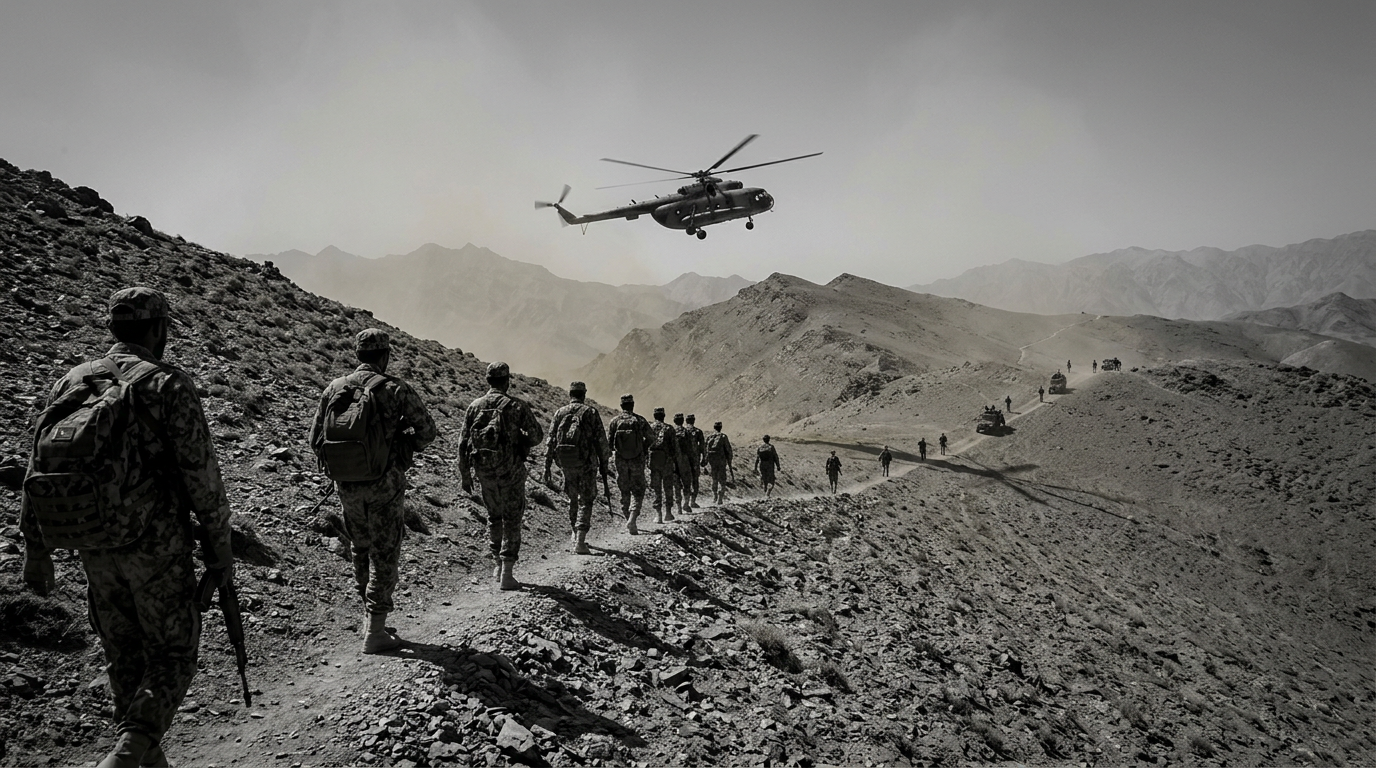
Pakistan-Afghanistan border operations killed 29 militants, officials said, after a wave of attacks including an assault on Rangers headquarters in Karachi.
Pakistan’s security forces said they carried out a ground action followed by what officials described as “calibrated strikes” against militant sites near the frontier with Afghanistan on Sunday. The announcement came from government and security officials as Islamabad faces a renewed uptick in attacks on police and military targets.
Information Minister Attaullah Tarar said on X that the latest operation was ordered after multiple militant incidents across the country. Afghan authorities did not immediately respond publicly to the account of the operation.
Karachi assault adds urgency to frontier operation
The border action followed an attack a day earlier in Karachi, Pakistan’s largest city and a key commercial hub. Militants using firearms and explosives targeted the regional headquarters of the paramilitary Rangers, killing three soldiers, according to officials.
Security forces said three attackers were killed during the assault and another suspect was detained while wounded. Pakistan’s military identified the arrested assailant as an افغان national.
Jamaat-ul-Ahrar, a splinter faction linked to the Pakistani Taliban movement, later claimed responsibility for the Karachi attack in a statement released Saturday night. The claim could not be independently verified.
Pakistan blames TTP as attacks rise nationwide
Pakistan has seen a growing tempo of militant violence in recent years, with repeated attacks directed at police stations, security checkpoints, and patrols. Authorities have attributed much of that violence to Tehrik-e-Taliban Pakistan (TTP) and allied groups.
Tarar said Sunday’s border action focused on facilities used by the TTP, describing them as hideouts and safe havens. The TTP is distinct from Afghanistan’s Taliban government, but Pakistani officials have long argued that ties between the movements enable cross-border militancy.
Afghanistan’s Taliban returned to power in Kabul in 2021 after the withdrawal of U.S. and allied forces. Islamabad has repeatedly accused the Afghan Taliban administration of allowing Pakistani militants to operate from Afghan territory, an allegation Kabul has denied.
Cross-border strikes intensify pressure on Islamabad-Kabul ties
Sunday’s operation occurred less than three weeks after Pakistan’s military conducted airstrikes it said hit militant targets inside Afghanistan. Those earlier strikes followed a short lull after what Pakistan had described as an “open war” phase between the neighbors.
The broader conflict has featured cycles of retaliation since at least February, when Afghan forces carried out counterstrikes after Pakistani attacks within Afghan territory, according to officials. Reporting from both sides has indicated significant casualties over months of escalation, with hundreds of people killed in cross-border fighting since February.
Several internationally supported negotiation rounds have failed to produce a durable ceasefire. China hosted talks in April and later said Pakistan and Afghanistan had agreed to avoid further escalation and to explore a political solution, but clashes and strikes have continued.
Pakistan has conducted repeated actions along the border and, at times, across it over the past year, arguing that it is targeting militants responsible for attacks inside Pakistan. Analysts say each new operation risks deepening mistrust between Islamabad and Kabul at a time when both governments face internal security pressures.
Officials did not provide independent confirmation of the 29 deaths reported in Sunday’s operation, nor did they release details on locations struck or any civilian impact. The next tests are likely to be whether retaliatory attacks follow inside Pakistan, and whether diplomatic channels—already strained—can prevent the security crisis from widening further.