

Ousted Prime Minister Sheikh Hasina Requests Travel Documents for Bangladesh Return
Ousted Prime Minister Sheikh Hasina has requested travel documents to return to Bangladesh, challenging the current government’s efforts to enforce a death…
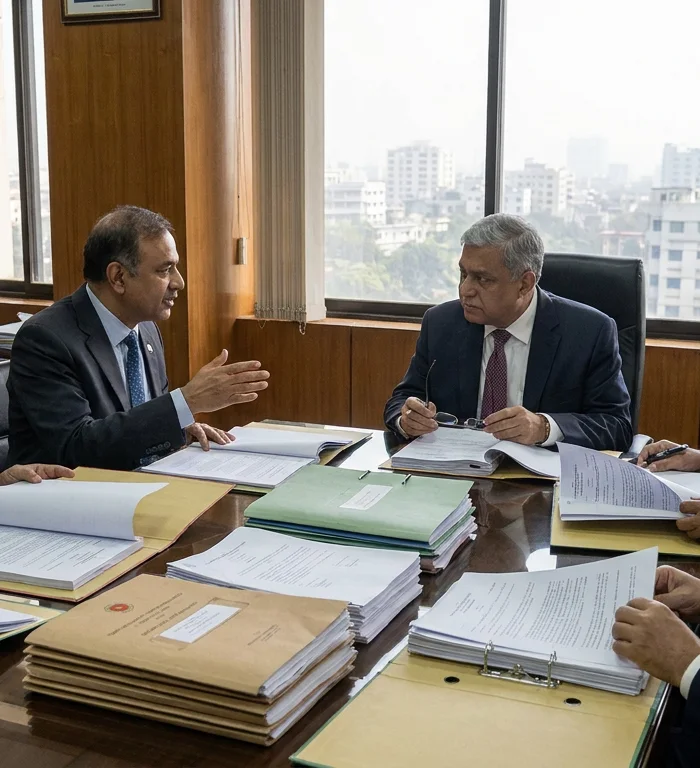
Former Prime Minister Sheikh Hasina has formally requested a new passport and identity card from the Bangladeshi government, signaling an intent to return from exile in India. Hasina, who has resided in India for two years following her ouster in 2024, has stated her intention to surrender to the Bangladeshi judiciary. Her aides indicate that a specific date for her return will be finalized pending the completion of administrative formalities.
The request presents a significant legal and diplomatic challenge for the current administration. Hasina was sentenced to death in absentia by a war crimes tribunal last November for her role in a government crackdown on student-led protests that resulted in an estimated 1,400 fatalities. The Bangladeshi government is currently reviewing the validity of her application, while officials have publicly reiterated demands for her extradition under an existing treaty with India.
New Delhi has thus far declined to extradite the former leader, creating a persistent point of friction between the two nations. The current Bangladeshi administration maintains that Hasina is a fugitive and a terrorist, complicating any potential diplomatic resolution regarding her status. The Ministry of Foreign Affairs and the Ministry of Law are evaluating whether she retains legal entitlement to state-issued identification documents given her current criminal standing.
Hasina’s potential return poses substantial risks to domestic stability and the government's ongoing efforts to manage economic volatility. While she remains a polarizing figure, she retains a base of support that could catalyze civil unrest or political mobilization upon her arrival. The government’s response to her request for travel documents will likely serve as a litmus test for its ability to enforce judicial mandates while navigating complex bilateral relations with India. Policymakers should monitor the potential for renewed protests and the impact of these legal proceedings on the country’s fragile political transition.
More stories
- Germans oppose Ukraine aid as poll shows support slipping
- Kim Jong-un receives 10 envoys after constitutional shift
- Ukraine claims Libya strike sinks Russian naval corvette
- COP31 climate talks collapse over fossil fuels and funds
- Russian military faces 1,087 recorded suicides in Ukraine war
- US faces China, Russia in Africa minerals contest
- Megaspeed faces US scrutiny over $3bn asset jump
- US pauses Iran military action after 8 months of war
- Ukraine power grid faces 15-site strike after Trump sanctions pause
- LAAF executes 31 people after 15-year Libya moratorium
Latest news
- Trump prepares tariffs on China and other major exporters
- New-car buyers pay record average $50,087 in October
- Banks face ECB reserve debate over liquidity and profits
- Investors see Anthropic debut gains fade below $83 a share
- Iraq orders federal control over Kurdish-area oilfields
- Nvidia shares retreat as AI rally cools before PCE data
- Macy’s parade faces balloon limits as storm winds approach