Opinion urges Israel–Lebanon to seize a ‘rare’ opening for de-escalation
Israelis and Lebanese face a narrow opening to reduce border tensions and pursue a political track, though past chances have repeatedly slipped away.
Omar Farouk ·
# Opinion urges Israel–Lebanon to seize a ‘rare’ opening for de-escalation
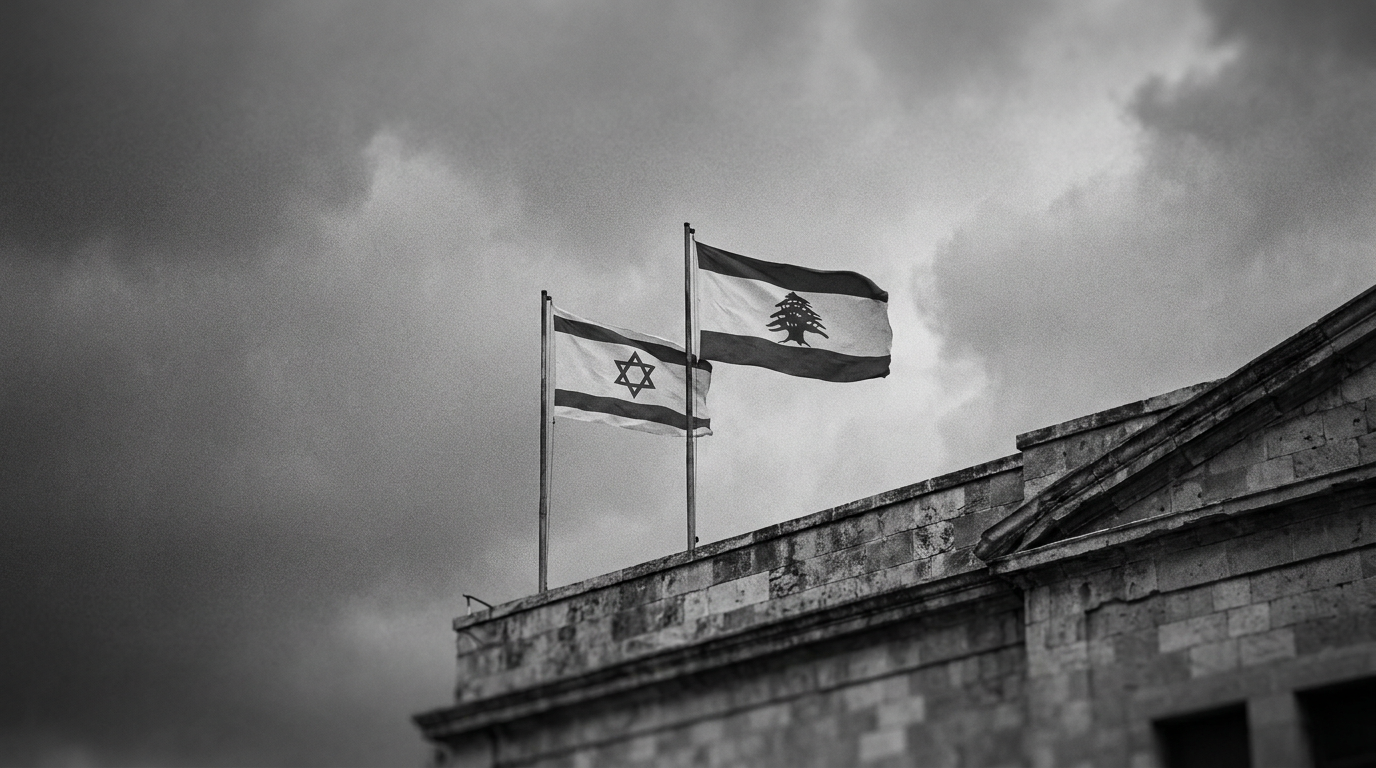
An opinion article published in the past day calls on Israel and Lebanon to treat the current moment as a rare opportunity to shift from deterrence and sporadic escalation toward dialogue. Writing from “opposite sides of a border,” the authors frame the appeal as urgent precisely because the two countries’ frontier has historically rewarded mistrust and punished political risk-taking.
The UN Interim Force
The piece does not cite new government initiatives, and it offers no official confirmation that talks are imminent. Its core claim is about timing: that some change in sentiment or circumstances has created a narrow window in which leaders and power brokers could choose restraint and a political pathway over another cycle of violence.
Israel and Lebanon have no formal peace treaty, and their relationship has been shaped by repeated rounds of conflict and unresolved border questions. The UN Interim Force in Lebanon (UNIFIL) operates in southern Lebanon under a UN mandate intended to help monitor cessation of hostilities and support the Lebanese state’s authority in the south, but the force has long operated in a highly contested security environment.
Several disputes overlap at the frontier. These include contested land points along the Blue Line and politically charged areas such as Shebaa Farms, whose status is tied up with the Israel–Syria–Lebanon triangle and competing sovereignty claims. Separately, Israel and Lebanon have also faced maritime boundary questions in the Eastern Mediterranean, where demarcation can affect offshore energy exploration and investor confidence.
The UN Interim Force
A change in the Israel–Lebanon temperature is not just a bilateral issue; it is a regional balance question because armed actors and allied states often treat the northern Israel–southern Lebanon arena as a pressure valve for wider confrontations. Lebanon’s internal political dynamics, including Hezbollah’s influence and recurring government instability, can limit Beirut’s room to maneuver and complicate any diplomatic track, especially when questions of “resistance,” deterrence, and state sovereignty collide.
The global spillover runs through energy and shipping psychology. Even when violence is geographically contained, escalation fears can ripple into oil pricing and risk assessments across the Middle East. A broader regional shock would also raise concerns about maritime chokepoints and shipping insurance, especially if tensions intersect with other flashpoints affecting the Strait of Hormuz or the Bab al-Mandab.
By 2024-08-31, watch for falsifiable signals that the “rare chance” described in the opinion piece is translating into official motion: public announcements of talks, proposals for border demarcation discussions, or a multilateral framework endorsed by Israeli or Lebanese diplomatic channels. The call is validated if leaders move from rhetorical positioning to process, for example by naming envoys, accepting mediated formats, or outlining confidence-building steps; it is undermined if the period is marked instead by increased border skirmishes, sharper public threats, or explicit rejection of dialogue by key armed and political actors, including Hezbollah.