

Oil prices slide toward $80 as market prices in Iran sanctions relief
Renewed talk of a U.S.-Iran nuclear framework is triggering a sharp risk-premium unwind, pressuring oil benchmarks and fiscal outlooks across the Persian Gulf.
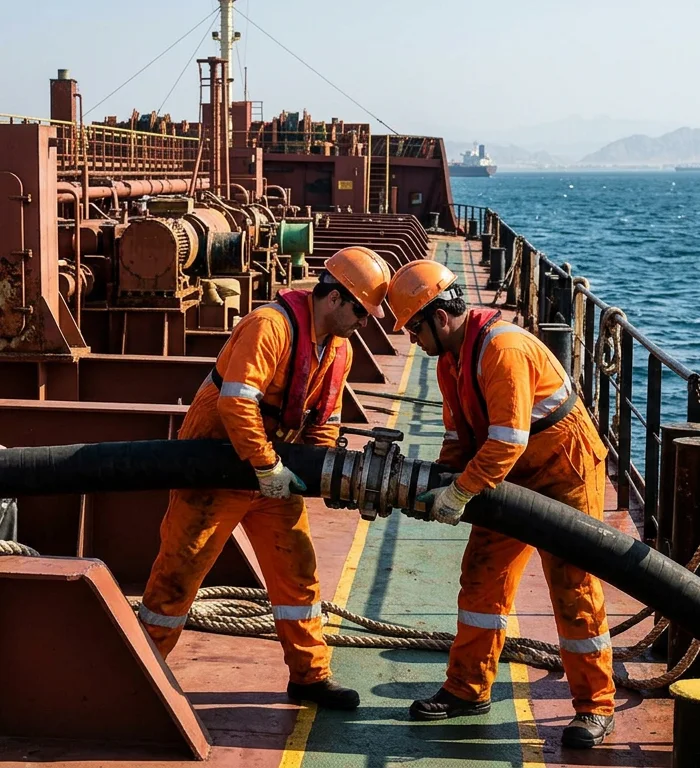
Oil markets reprice regional risk
Brent crude prices have slid to approximately $80 a barrel following reports of advancing back-channel diplomacy between Washington and Tehran. The move reflects a broader repricing of the geopolitical risk premium that has buoyed energy markets throughout recent months.
Market participants are weighing the potential for a formal framework that would curb Iranian nuclear enrichment in exchange for relief on oil export sanctions. Such a deal would introduce a substantial volume of Iranian supply back into the global market, directly counteracting the supply-side constraints currently maintained by major producers.
The JCPOA and export history
The historical correlation between the Joint Comprehensive Plan of Action (JCPOA) status and Iranian oil volumes remains the primary mechanism for market sensitivity. During periods of limited sanctions enforcement, Iranian exports into Asian markets have previously surged, creating an immediate supply-side surplus that depresses global benchmarks.
Conversely, the reimposition of U.S. sanctions during the previous decade saw these volumes effectively sidelined, forcing global buyers to seek alternative sources. Current trader positioning suggests that any credible path toward restored production capacity in Iran is being viewed as a structural headwind for current price levels.
Fiscal stability for Gulf producers
The potential return of Iranian barrels presents a specific threat to the fiscal break-even prices required by Gulf Cooperation Council (GCC) states. Saudi Arabia, the United Arab Emirates, and Qatar have long relied on a higher Brent price floor to sustain domestic infrastructure projects and long-term economic diversification initiatives such as Vision 2030.
The JCPOA
A sustained move toward $80 a barrel forces a difficult choice for regional ministries: either tolerate a narrower budget surplus and potential deficit financing, or push for deeper production cuts within the OPEC+ framework to defend current price levels. Any internal friction between members regarding market share versus price stability is likely to dominate energy discussions in the coming quarter.
Global supply and trade routes
Beyond fiscal budgets, the market is monitoring the potential for reduced volatility in critical maritime trade routes. While the Strait of Hormuz remains a central chokepoint for global energy supplies, a de-escalation between Washington and Tehran could diminish the perceived likelihood of tactical disruptions to tanker traffic.
The downstream effect for the global macro picture involves an easing of energy-driven inflationary pressures, particularly for import-dependent economies. Investors are now awaiting the next ministerial gathering of OPEC+ to determine if the alliance will respond to these price movements with further production curbs or maintain their current output quotas.
Conditional scenarios for year-end
The outlook for the remainder of 2024 depends on whether current diplomatic momentum persists or hits a structural impasse. If U.S.-Iran talks solidify into a formal agreement by December 31, 2024, Brent crude is expected to face sustained downward pressure, potentially forcing Gulf states to initiate fiscal austerity measures.
Should negotiations collapse, however, the market will likely experience an immediate reversal of the current risk-premium discount. The main open question remains the degree to which Iranian storage capacity can be mobilized to influence global supply volumes before the end of the calendar year.
More stories
- Germans oppose Ukraine aid as poll shows support slipping
- Kim Jong-un receives 10 envoys after constitutional shift
- Ukraine claims Libya strike sinks Russian naval corvette
- COP31 climate talks collapse over fossil fuels and funds
- Russian military faces 1,087 recorded suicides in Ukraine war
- US faces China, Russia in Africa minerals contest
- NNPC puts Nigeria crude output at 1.8m bpd after reforms
- Singapore to open 3 MRT stations for 25-minute trip savings
- South Africa records 76,922 HIV prevention jab initiations
- Three Elections Today. A Global Political Test Ahead.
Latest news
- Trump prepares tariffs on China and other major exporters
- New-car buyers pay record average $50,087 in October
- Banks face ECB reserve debate over liquidity and profits
- Investors see Anthropic debut gains fade below $83 a share
- Iraq orders federal control over Kurdish-area oilfields
- Nvidia shares retreat as AI rally cools before PCE data
- Macy’s parade faces balloon limits as storm winds approach