Deworming Q&A Highlights Hygiene, Not a Policy Shift
A deworming Q&A revived hygiene guidance, but it is not linked to any new Asia-Pacific policy action, advisory, or measurable health update.
Mei Lin ·
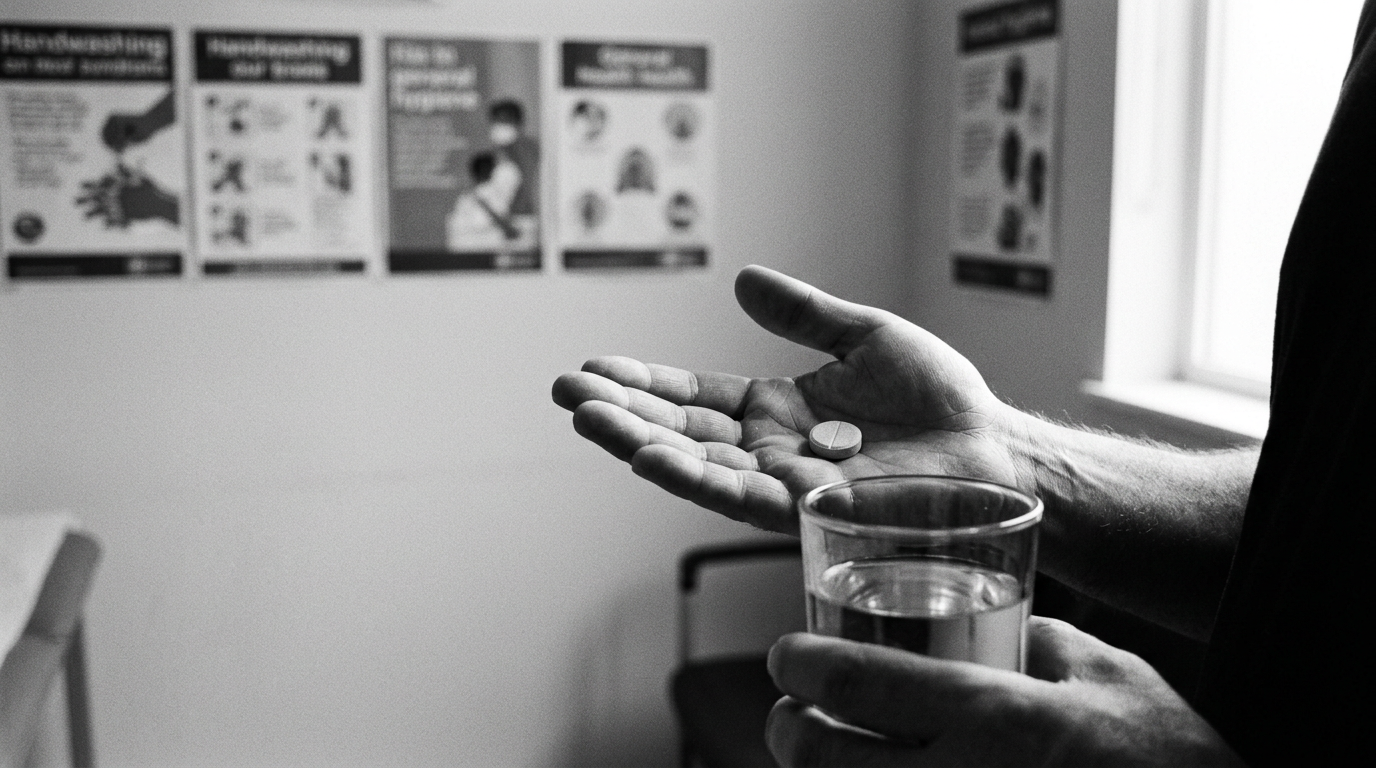
A widely shared consumer health live chat on deworming has resurfaced familiar guidance on intestinal worm infections, including common symptoms, how transmission happens, and practical prevention steps. Officials did not link the discussion to any new action by an Asia-Pacific government, regulator, or major regional institution, leaving it as an informational signal rather than an event-driven development.
The format mirrors a recurring pattern in parts of South and Southeast Asia, where public attention to hygiene topics can rise and fall with school calendars, monsoon-season sanitation concerns, and household conversations about pets and children. Without a dated advisory, outbreak update, or program announcement, the item does not create an immediate policy or market read-through.
Why the deworming discussion is drawing attention
Intestinal worm infections remain a long-running public health issue across parts of the Asia-Pacific region, especially where sanitation gaps and crowded living conditions raise exposure risk. Public messaging commonly emphasizes handwashing, safe water, food hygiene, and routine preventive habits for families and caregivers.
Several countries in Asia-Pacific run periodic deworming efforts through schools or primary care networks. These campaigns typically become newsworthy when governments announce new funding, publish updated coverage data, or revise clinical guidance in ways that change what clinics and families are asked to do.
What is missing from the signal
The item does not cite a specific circular or bulletin from a health ministry, nor does it reference a World Health Organization (WHO) update. It also does not point to a new protocol from agencies such as India’s Ministry of Health and Family Welfare or the Philippines’ Department of Health.
Because there is no documented outbreak update, procurement decision, or measurable dataset change attached, the signal does not provide a clear basis for tracking trade, supply-chain, foreign-exchange, or security spillovers. As presented, it also does not support a falsifiable forward call because there is no timeline, program scope, or institution-led action to monitor.
Potential household effects, but no verified demand data Even when not tied to a policy decision, high-traffic explainers can shape household behavior. That can include increased purchases of over-the-counter medicines, additional clinic visits, and more pet-related preventive care, depending on local norms and access to pharmacies and primary care.
In some Asia-Pacific markets, such attention cycles can translate into short, localized demand shifts for pharmacies and consumer health brands. However, any measurable market impact would require sales or utilization data, and no such data is included in the signal.
What could turn this into a trackable event
If an Asia-Pacific health ministry or the WHO later issues a dated bulletin or campaign notice that explicitly references deworming doses, target age groups, or a rollout timeline, that would create an observable event for policymakers, providers, and suppliers. Until then, the deworming Q&A remains a public-information item rather than a policy development.