White House Iran strategy leans on economic pressure now
Trump's Iran strategy is tilting toward economic pressure while a proposed Strait of Hormuz traffic deal remains stalled.
Lauren Collins ·
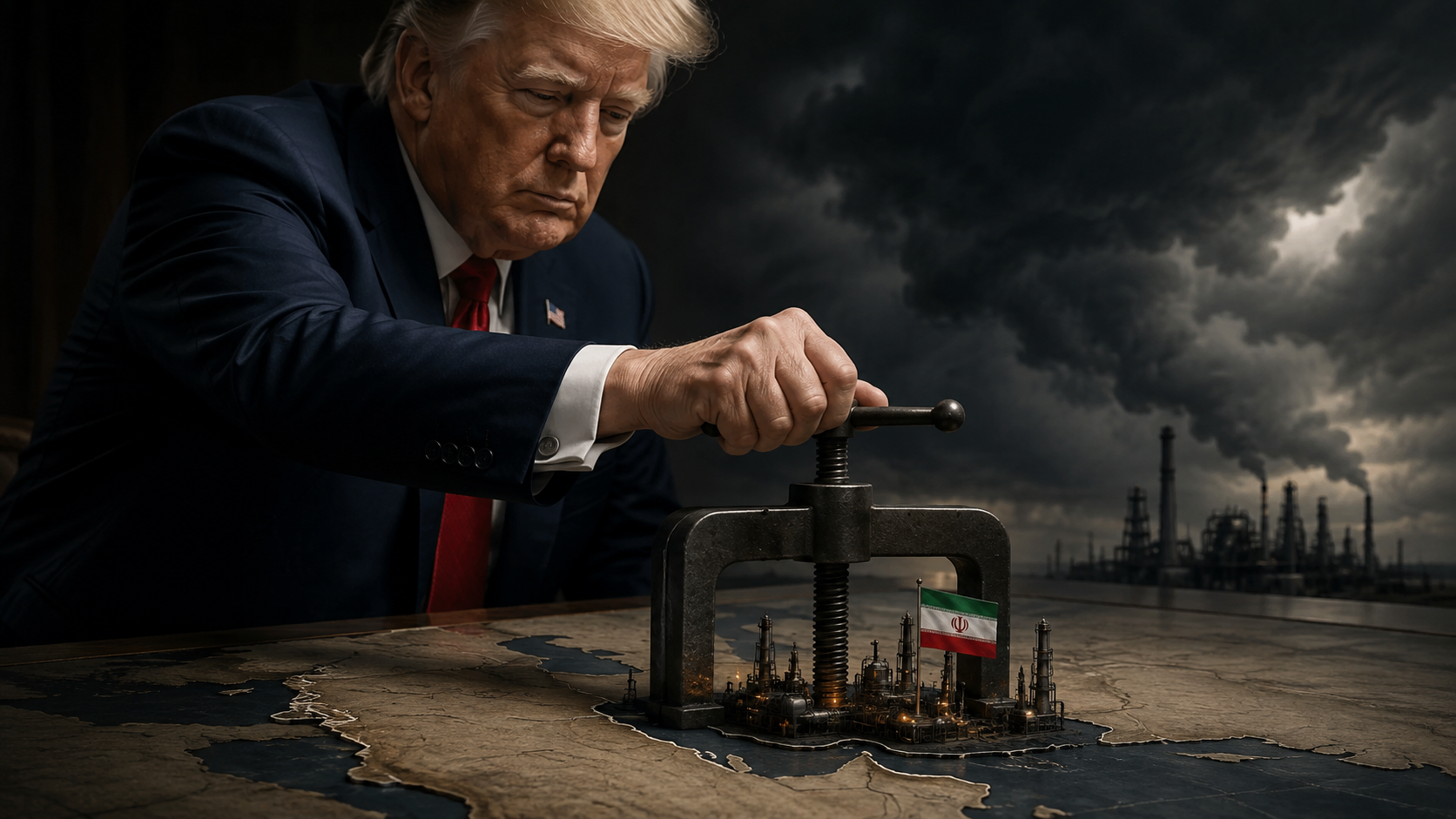
President Trump's Iran strategy is leaning on economic pressure instead of fresh strikes as Strait of Hormuz talks remain unresolved.
Trump chooses a lower tone
Trump said Sunday that Washington is keeping its posture restrained toward Iran, even as a proposed arrangement over shipping through the Strait of Hormuz has not been announced. He made no new threat of military action in a brief phone interview, a shift in tone from recent discussions of possible renewed combat.
"We are low keying it," Trump said. He added that the United States is "only semi-negotiating" with Tehran and is watching what he described as Iran's economic strain.
The president framed the pressure campaign in financial terms, saying Iran faces "huge inflation" and lacks money to pay troops. Trump also said the US naval blockade had worsened Iran's economic crisis, a claim that was not independently documented in the source material.
Hormuz proposal loses momentum
The immediate diplomatic issue is a proposed traffic arrangement for the Strait of Hormuz, the narrow Gulf waterway central to energy shipments. The arrangement among Iran, Oman and the United States has been pending for several days, while Iran issued additional conditions on Saturday for allowing shipping through.
Under the proposal as described, Iran would receive some authority over vessel movement in the strait, a role it did not hold before the war. Qatari and Pakistani mediators expected an announcement on Wednesday, but confidence in that timetable has since faded.
Trump did not show public frustration over the delay, even though the talks have slowed at a sensitive point for oil markets and Gulf shipping. He said oil had moved down to slightly above $75 a barrel, presenting that level as relief for US consumers compared with earlier war pressure.
Iran split shapes the talks
US officials say disagreements inside Iran's leadership are complicating the diplomatic track. One faction, associated with President Masoud Pezeshkian, is described by those officials as worried about economic breakdown and more open to reaching terms with Washington.
A rival camp led by Ahmad Vahidi, commander of the Islamic Revolutionary Guard Corps, opposes concessions, according to the same officials. That split matters because a Hormuz deal would require Tehran to accept a traffic framework while under blockade pressure, which hard-liners may view as a loss of leverage.
The pressure-first approach gives the White House time if oil prices remain near the level Trump cited and shipping disruptions stay contained. It also carries risk: a longer delay can raise insurance costs, slow Gulf cargo planning and leave energy traders pricing a wider range of outcomes.
Three paths for Hormuz
If the pending arrangement is approved, the global macro effect would likely come through lower perceived risk around Gulf energy flows. For the White House, that would support Trump's argument that economic pressure can produce movement without new strikes; for shipping and oil firms, clearer traffic rules would reduce operational uncertainty.
If Iran keeps adding conditions, the blockade-centered strategy would face a longer test. The macro channel would run through oil and transport costs, the White House would have to decide how long to rely on pressure alone, and carriers would keep adjusting routes, insurance and schedules around Hormuz risk.
If Iran's internal split blocks a deal, the conflict could settle into a more unstable bargaining phase. In that case, the main open questions are whether oil stays near the slightly above $75 level Trump cited, whether Oman can keep talks alive, and whether Tehran's economic strain changes the balance between Pezeshkian's camp and Vahidi's camp.