Iran food inflation jumps 128% as rial weakens
Iran food inflation rose 128% in Tir (June 21 to July 20), with eight of ten food groups above 100% as the currency weakened.
Atlas Newsdesk ·
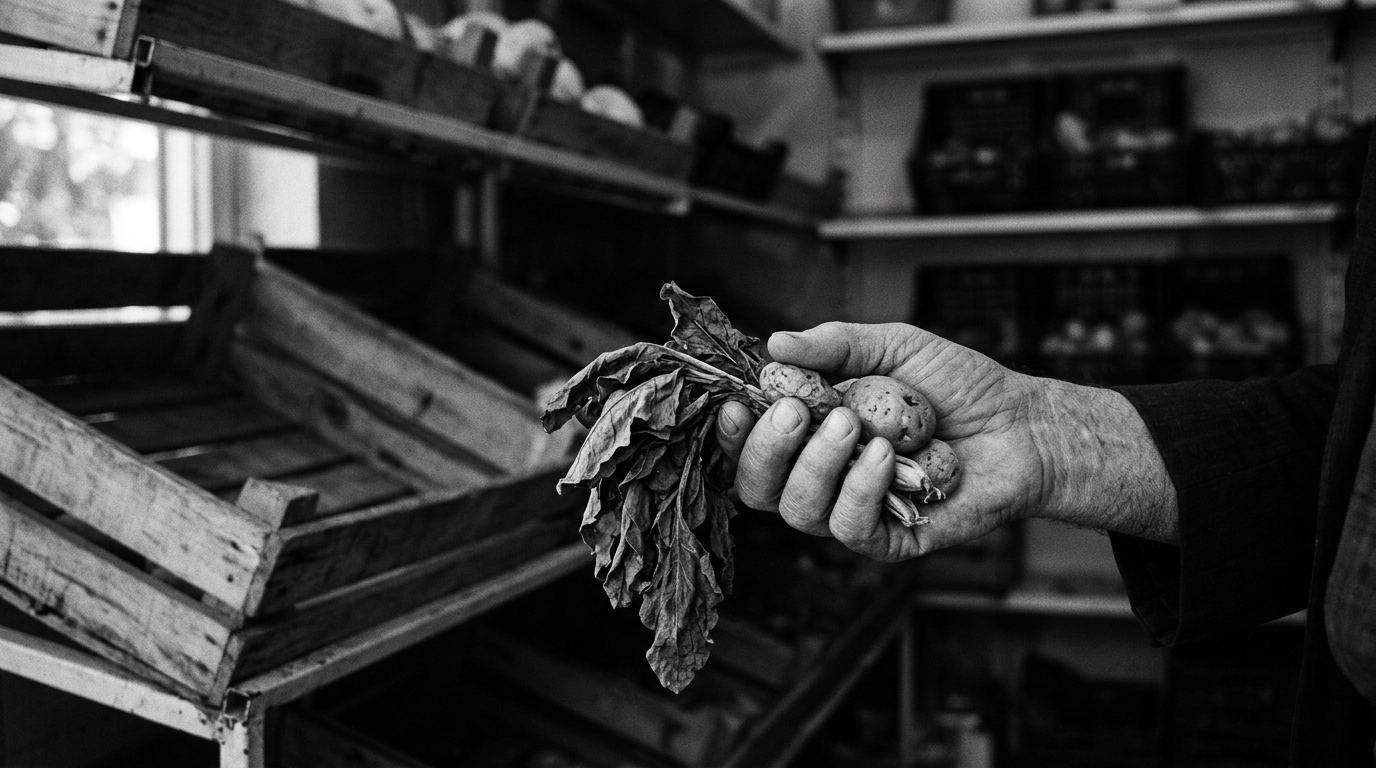
Iran’s food prices rose sharply in the month of Tir, with official figures showing food inflation at 128% for the period spanning June 21 to July 20. The data points to an acute squeeze on household budgets as currency continues to lose value.
According to the Statistical Centre of Iran, eight of the country’s ten main food groups recorded inflation above 100% during the month. The scale and breadth of the increases indicate that the pressure is not limited to a single product or seasonal fluctuation, but is affecting a wide range of everyday staples.
Price surges spread across essential food groups
Oils and fats posted the steepest increase, rising 261.5% over the period cited in the official release. Other key categories also saw large jumps, including dairy products at 147.1% and meat derivatives at 145.2%.
Basic foods were not spared. Bread and cereals, a core component of diets across income levels, rose 116.7%, further weakening purchasing power for low-income households and adding pressure on families that had previously considered themselves financially stable.
Tehran markets face volatility and weaker retail activity
Merchants in Tehran are dealing with rapid, day-to-day price changes, officials said, complicating routine buying and selling. This volatility has contributed to a retreat from credit-based transactions, as both sellers and customers struggle to price goods and manage payment risk.
The reported shift away from credit has been accompanied by a broader slowing in retail activity, with market participants describing stagnation as consumers adjust spending habits and prioritize only the most essential purchases.
War-related pressures and currency decline deepen the squeeze
The rise in food inflation has been linked in the source material to a naval blockade and ongoing military conflicts involving the United States and Israel, alongside the continued slide in currency. Together, these factors have intensified cost pressures across the food basket.
Iran has long leaned on domestic self-sufficiency as a buffer against the effects of international sanctions. However, the source material says the current mix of war-related strains and currency devaluation is overwhelming that cushion for many households.
Poverty line estimate highlights household stress
In Tehran, the poverty line has been pushed to about 900 million rials, described as roughly $654 in the source material. The same account says some households that previously identified as high-income are now reporting difficulty paying for basic dietary staples.
The figures and on-the-ground market signals together point to widening socio-economic strain, with inflation across essential categories limiting the ability of both lower- and middle-income families to maintain normal consumption patterns.