

Global Childhood Vaccination Trends and Long-Term Public Health Impact
Global vaccination programs have saved 90 million lives since 1974, though economic disparities and declining public trust continue to threaten immunization…
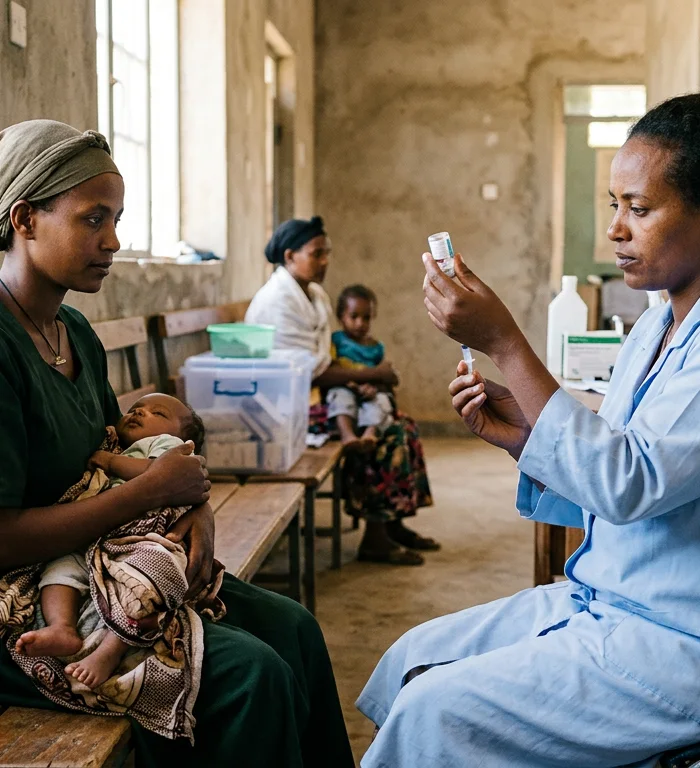
Data analysis regarding global immunization programs indicates that childhood vaccination remains a primary driver of long-term mortality reduction. Since 1974, childhood vaccines have saved an estimated 90 million lives, significantly altering global demographic trends and reducing the economic burden of preventable diseases. These health outcomes are closely correlated with national policy frameworks, including the implementation of mandatory vaccination programs and the integration of specific antigens into routine national schedules.
Macroeconomic indicators show a distinct correlation between a nation's GDP per capita and its vaccination coverage rates. Countries with higher economic output consistently demonstrate higher immunization rates, while regions experiencing extreme poverty face systemic barriers to vaccine supply and distribution. This disparity creates a persistent risk of localized outbreaks, which can disrupt regional labor markets and increase public health expenditures for developing economies.
Institutional risk is further compounded by fluctuations in Institutional risk is further compounded by fluctuations in public confidence regarding vaccine safety and efficacy. Data suggests that public perception is a leading indicator of vaccination uptake, with lower trust levels directly correlating to higher numbers of unvaccinated one-year-olds. This trend poses a significant challenge to global health security, as gaps in herd immunity increase the probability of resurgence for diseases such as measles, diphtheria, and polio.
Policymakers should monitor the number of countries reporting vaccine supply issues, as these disruptions serve as a proxy for potential future health crises. The ongoing integration of new vaccines—such as those for rotavirus and human papillomavirus—into national programs remains a critical metric for assessing a country's long-term public health resilience. Future stability will depend on the ability of international health organizations to maintain supply chains and address the socio-political factors influencing vaccine hesitancy.
More stories
- Dietitians advise small swaps for plant-based eating
- TikTok dementia videos mislead in 66.4% of sample, researchers say
- Aberdeen Royal Infirmary faces police inquiry call over 19 deaths
- Bariatric surgery group loses 28.2% after GLP-1 use
- TOFA boosts mouse energy use 18% while preserving muscle
- ICO probes NHS therapy notes accessible to up to 140,000 staff
- Higher arginine diets were associated with fewer colon tumors in mice
- Singapore CDA gains first WHO infection-control centre role
Latest news
- David Parr House to honor Victorian art-workman with blue plaque
- Iran's attacks hit 25 tankers near Strait of Hormuz
- FCC approves prison cellphone jamming despite 2.5-mile warning
- Russia strikes Ukraine as Odesa faces electricity strain
- Bahrain reports two injuries after Iranian aerial attacks
- Congress tests Black Democrats' growing policy influence
- Baltic responders fight Sparta II fire after drone strike
- Europe faces attribution gap after 16 cyber, physical incidents