

North Korea Advances Maritime Strike Capabilities With New Torpedo System
North Korea has tested a new high-speed torpedo system, with operational deployment planned for 2027 as part of a broader effort to modernize its naval and…
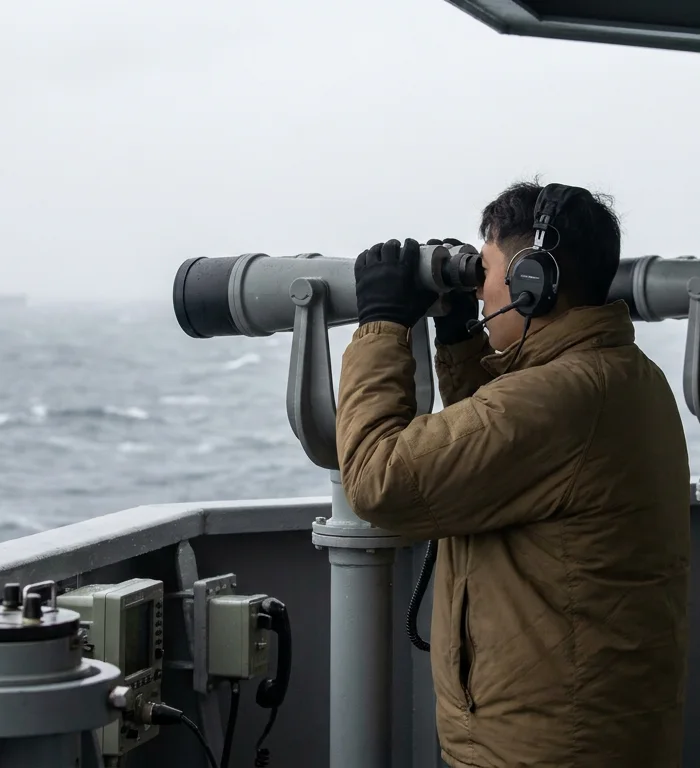
North Korea has successfully tested a new high-speed torpedo system, with state-sanctioned deployment scheduled for early 2027. The test, conducted in the East Sea on November 9, involved the Academy of Defence Sciences and the Torpedo Weapon Research Bureau. This development is part of a broader, multi-year initiative to modernize the nation’s naval and underwater strike capabilities.
The recent test follows a series of military advancements, including the trial of the Zam-2.0 precision-guided torpedo, which reportedly utilizes artificial intelligence for target detection and autonomous guidance. These developments indicate a strategic shift toward integrating autonomous decision-making and evasive maneuverability into the North Korean naval arsenal. The focus on propulsion efficiency and rocket-assisted underwater travel suggests a concerted effort to overcome existing limitations in maritime strike range and speed.
This testing cycle occurs alongside the expansion of This testing cycle occurs alongside the expansion of North Korea’s surface fleet, including the development of 5,000-tonne destroyers. The integration of AI-enabled weaponry into the navy poses significant challenges for regional maritime security, as autonomous systems may complicate traditional defensive countermeasures. The rapid pace of these trials—exceeding 180 tests over the past five years—reflects a high-priority commitment to achieving parity in underwater warfare technology.
For policymakers, these developments signal a hardening of North Korea’s maritime posture and a reduced likelihood of near-term diplomatic engagement. The transition from experimental testing to operational deployment by 2027 necessitates a reassessment of regional naval defense strategies. Future monitoring should focus on the deployment platforms for these systems and the extent to which AI-driven guidance is successfully integrated into the broader naval command structure.
More stories
- Germans oppose Ukraine aid as poll shows support slipping
- Kim Jong-un receives 10 envoys after constitutional shift
- Ukraine claims Libya strike sinks Russian naval corvette
- COP31 climate talks collapse over fossil fuels and funds
- Russian military faces 1,087 recorded suicides in Ukraine war
- US faces China, Russia in Africa minerals contest
- Megaspeed faces US scrutiny over $3bn asset jump
- US pauses Iran military action after 8 months of war
- Ukraine rescuers search shelter after 31 reported deaths
- Trump says Israel aid ends this year, arms sales continue
Latest news
- Trump prepares tariffs on China and other major exporters
- New-car buyers pay record average $50,087 in October
- Banks face ECB reserve debate over liquidity and profits
- Investors see Anthropic debut gains fade below $83 a share
- Iraq orders federal control over Kurdish-area oilfields
- Nvidia shares retreat as AI rally cools before PCE data
- Macy’s parade faces balloon limits as storm winds approach