

Nigeria records HIV treatment drop among pregnant women to 83%
Viral suppression among pregnant and breastfeeding women also declined, complicating prevention efforts despite gains in overall HIV treatment coverage.
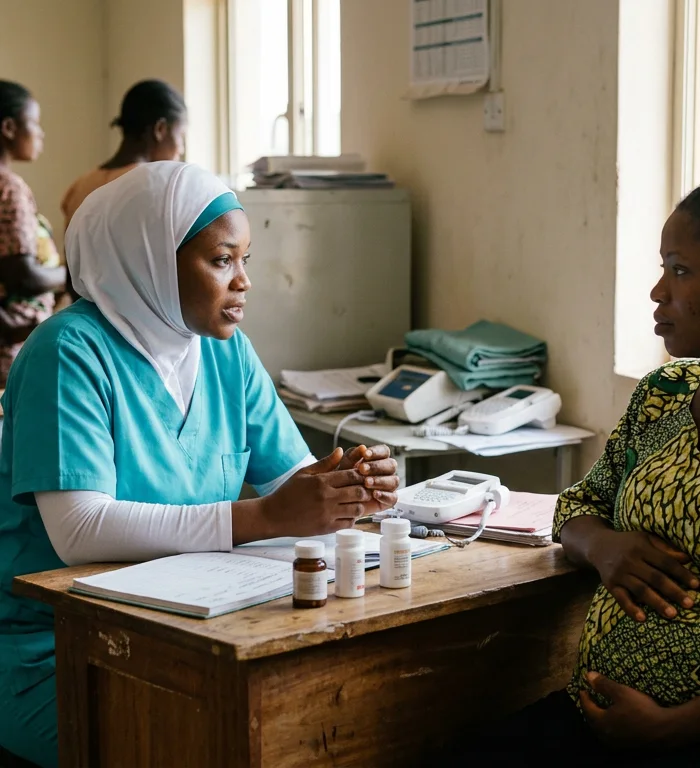
Nigeria's antiretroviral treatment coverage among HIV-positive pregnant women fell to 83% in 2026 from 98% in 2025, according to the 2026 Joint Annual Review Statistical Book presented in Abuja on Nov. 10.
The drop matters because viral suppression among pregnant and breastfeeding women living with HIV also fell to 79% in 2026 from 95% in 2025, even as overall ART coverage rose to 82% from 78%.
The Joint Annual Review Statistical Book was produced by the Federal Ministry of Health and Social Welfare and reviews the third year of implementation of Nigeria's Health Sector Strategic Blueprint. Premium Times reported the figures on Nov. 12 via AllAfrica.
Antiretroviral therapy, or ART, uses medicines to control HIV infection. Viral suppression means treatment has reduced the amount of virus in the blood to a very low level.
The decline is significant for prevention of mother-to-child transmission. HIV can pass from mother to child during pregnancy, childbirth or breastfeeding, while appropriate treatment during pregnancy and continued care after delivery can substantially reduce that risk.
The World Health Organization says the risk of mother-to-child transmission ranges from 15% to 45% without interventions. It recommends that women diagnosed with HIV be linked promptly to lifelong treatment and supported to remain in care and achieve viral suppression.
Nigeria's Minister of State for Health and Social Welfare, Iziaq Salako, said at the National HIV Health Sector Symposium in Abuja in July 2025 that Nigeria continued to record more than 9,000 new paediatric HIV infections annually. He called for wider treatment access for pregnant women living with HIV, early diagnosis of HIV-exposed infants and stronger community engagement to address stigma.
The review showed mixed national HIV indicators. Newly detected HIV cases fell to 70,356 in 2026 from 108,230 in 2025, and viral suppression among those receiving treatment rose to 95% from 94%.
But the number of people newly diagnosed with advanced HIV disease increased to 20,162 in 2026 from 19,747 in 2025. The JAR Book cites the National Data Repository and National Data Reporting System as the sources for its HIV indicators.
Source: news report, Premium Times via AllAfrica, Nov. 12, 2026
More stories
- Nigeria's family-planning budget falls 97%
- Peter Attia reviews cold therapy claims on longevity
- Dietitians advise small swaps for plant-based eating
- TikTok dementia videos mislead in 66.4% of sample, researchers say
- Aberdeen Royal Infirmary faces police inquiry call over 19 deaths
- Bariatric surgery group loses 28.2% after GLP-1 use
- Roche's Gazyva gains EU panel backing after 76.7% lupus response
- NIH-funded researchers map basal ganglia at single-cell resolution
- Smart ring monitors sweat biomarkers without daily exercise
- Exercise for depression could reshape mental-health care
Latest news
- Rwanda faces budget strain from 85% electricity access push
- ICE arrests at Seattle airport draw protests and scrutiny
- AI doubts leave Asian stocks facing a new investment test
- EU rejects COP31 deal as fossil fuel divisions block pact
- Deal Sheet: Fortis shutdown costs over 400 jobs
- Germany to pay about $11 a month into child pension accounts
- Monrovia mayor-designate seeks $14.5m city budget
- Laura Brand curbs prison messages after YouTube dispute