

Israel’s New Parliament Sworn In Amidst Coalition Uncertainty
Israel’s new Parliament convenes without a clear majority, forcing opposition leader Gadi Eisenkot to navigate a fragile coalition-building process amidst…
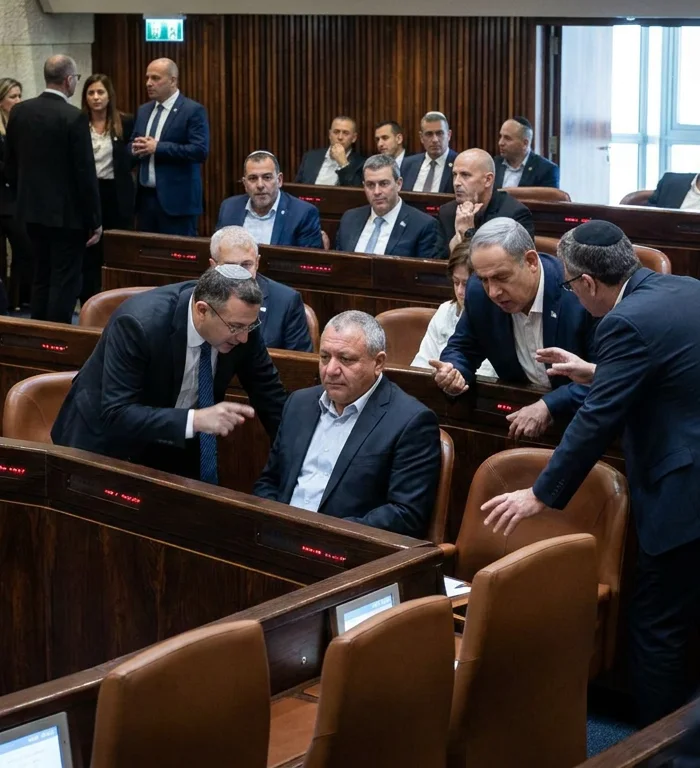
Israel’s 120-seat Parliament is being sworn in today, marking the commencement of a legislative session characterized by a lack of a clear governing majority. Neither the incumbent Prime Minister’s right-wing bloc nor the opposition led by Gadi Eisenkot currently commands the 61 votes required to secure a stable government. This legislative deadlock introduces significant political volatility as the opposition prepares to leverage its parliamentary presence to initiate investigations into security failures surrounding the October 7, 2023, attacks.
President Isaac Herzog has granted Eisenkot a 28-day mandate to form a coalition, with a potential 14-day extension available. The opposition has begun positioning key figures for influential roles, including nominating a former military official for Speaker of the Parliament and designating the chair of the foreign affairs and defense committee. These maneuvers are intended to challenge the incumbent’s legislative control and force a shift in the current power structure.
Achieving a governing majority remains a complex challenge for the opposition, requiring either the support of Arab-Israeli lawmakers or a realignment of ultra-Orthodox parties currently allied with the incumbent. Reliance on Arab-Israeli support faces internal opposition from right-wing coalition partners, while any potential deal with ultra-Orthodox factions remains fragile due to long-standing disputes over military service exemptions.
Any resulting coalition will likely face immediate pressure from competing policy priorities, including the ongoing military strategy in Gaza and the management of settler violence in the West Bank. The inability to secure a durable majority suggests that the incoming government, if formed, will be susceptible to collapse should these internal policy tensions escalate. Institutional stability remains at risk as the Parliament prepares to address these contentious issues while navigating a fractured political landscape.
More stories
- Germans oppose Ukraine aid as poll shows support slipping
- Kim Jong-un receives 10 envoys after constitutional shift
- Ukraine claims Libya strike sinks Russian naval corvette
- COP31 climate talks collapse over fossil fuels and funds
- Russian military faces 1,087 recorded suicides in Ukraine war
- US faces China, Russia in Africa minerals contest
- Megaspeed faces US scrutiny over $3bn asset jump
- US pauses Iran military action after 8 months of war
- Deadlock hits Israel election as coalition math tightens
- Ethiopia church reports 60 deaths in two Oromiya attacks
Latest news
- Trump prepares tariffs on China and other major exporters
- New-car buyers pay record average $50,087 in October
- Banks face ECB reserve debate over liquidity and profits
- Investors see Anthropic debut gains fade below $83 a share
- Iraq orders federal control over Kurdish-area oilfields
- Nvidia shares retreat as AI rally cools before PCE data
- Macy’s parade faces balloon limits as storm winds approach