

Netanyahu bloc falls short with 53 Knesset seats
A Times of India opinion column links Israeli and U.S. election signals to voter concern over prolonged war and household costs.
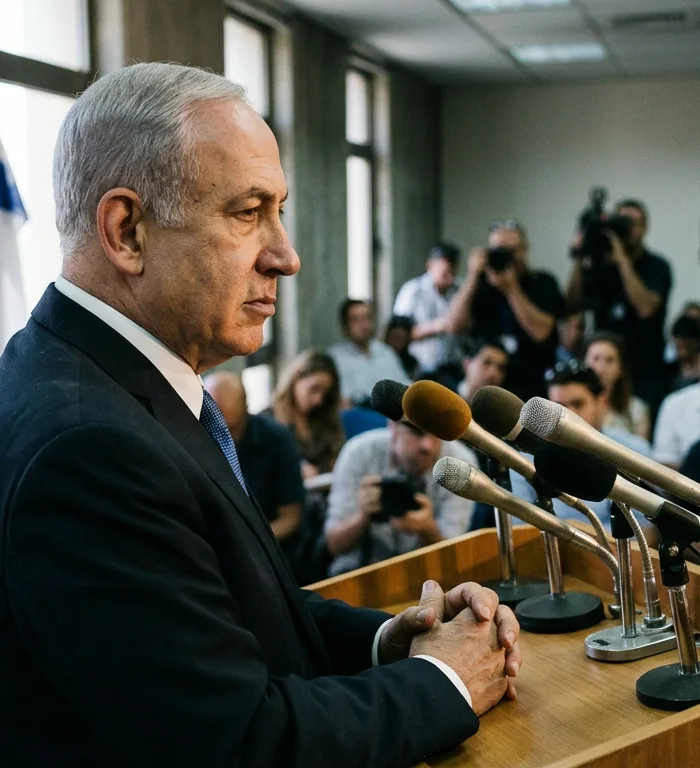
Benjamin Netanyahu’s alliance won 53 of the Knesset’s 120 seats, below the 61-seat governing threshold, Air Marshal GS Bedi wrote in a Times of India opinion column published Nov. 14.
Bedi contrasted that result with the bloc’s previous 64 seats and argued that voters may support national defence while resisting open-ended conflict without economic relief or diplomatic direction.
The column said Israel’s opposition parties secured 48 seats, while Arab-led parties won 19 seats, leaving no clear parliamentary winner and giving those parties greater leverage in coalition bargaining.
Bedi wrote that the Israeli result should not be read as a rejection of security concerns. He said Israel remains shaped by attacks, fear and military threats, but argued the vote weakened a leadership associated with a prolonged war.
The column drew a parallel with U.S. midterm elections, saying Democratic gains reflected voter dissatisfaction with the economy, President Donald Trump’s performance and military action against Iran. According to the column, Vice-President JD Vance attributed Republican losses largely to the Iran war, while Trump acknowledged the conflict had contributed to the setback.
Early polling cited by Bedi found nearly nine in 10 voters worried about fuel, food, healthcare and utility prices. More than four in 10 said their family’s financial position had deteriorated over the previous two years.
Bedi’s argument was that wars are judged not only by battlefield claims but also through household costs, including transport, groceries, medical bills and public spending trade-offs. He wrote that force must be tied to a political objective rather than becoming a substitute for strategy.
The column also cautioned against treating diplomacy as appeasement, saying deterrence and civilian protection remain part of responsible statecraft. Its central conclusion was that voters in Israel and the United States want security, but not permanent mobilisation without visible improvements in daily life.
Source: opinion column, Times of India, Nov. 14, 2026
More stories
- Germans oppose Ukraine aid as poll shows support slipping
- Kim Jong-un receives 10 envoys after constitutional shift
- Ukraine claims Libya strike sinks Russian naval corvette
- COP31 climate talks collapse over fossil fuels and funds
- Russian military faces 1,087 recorded suicides in Ukraine war
- US faces China, Russia in Africa minerals contest
- North Korea changes flag as Kim reshapes national symbols
- Nvidia names Kress interim CEO after Huang exits in scandal
- Democrats tie Iran war to $4.27 gasoline in midterm races
- Biya faces Cameroon succession pressure after 74-day absence
Latest news
- Trump prepares tariffs on China and other major exporters
- New-car buyers pay record average $50,087 in October
- Banks face ECB reserve debate over liquidity and profits
- Investors see Anthropic debut gains fade below $83 a share
- Iraq orders federal control over Kurdish-area oilfields
- Nvidia shares retreat as AI rally cools before PCE data
- Macy’s parade faces balloon limits as storm winds approach