Nepal-China floods spur tunnel search with 3,000 missing
Nepal-China floods have killed 676 people and left nearly 3,000 missing, with rescuers focusing on tunnels, border crossings and an upstream lake.
Raj Patel ·
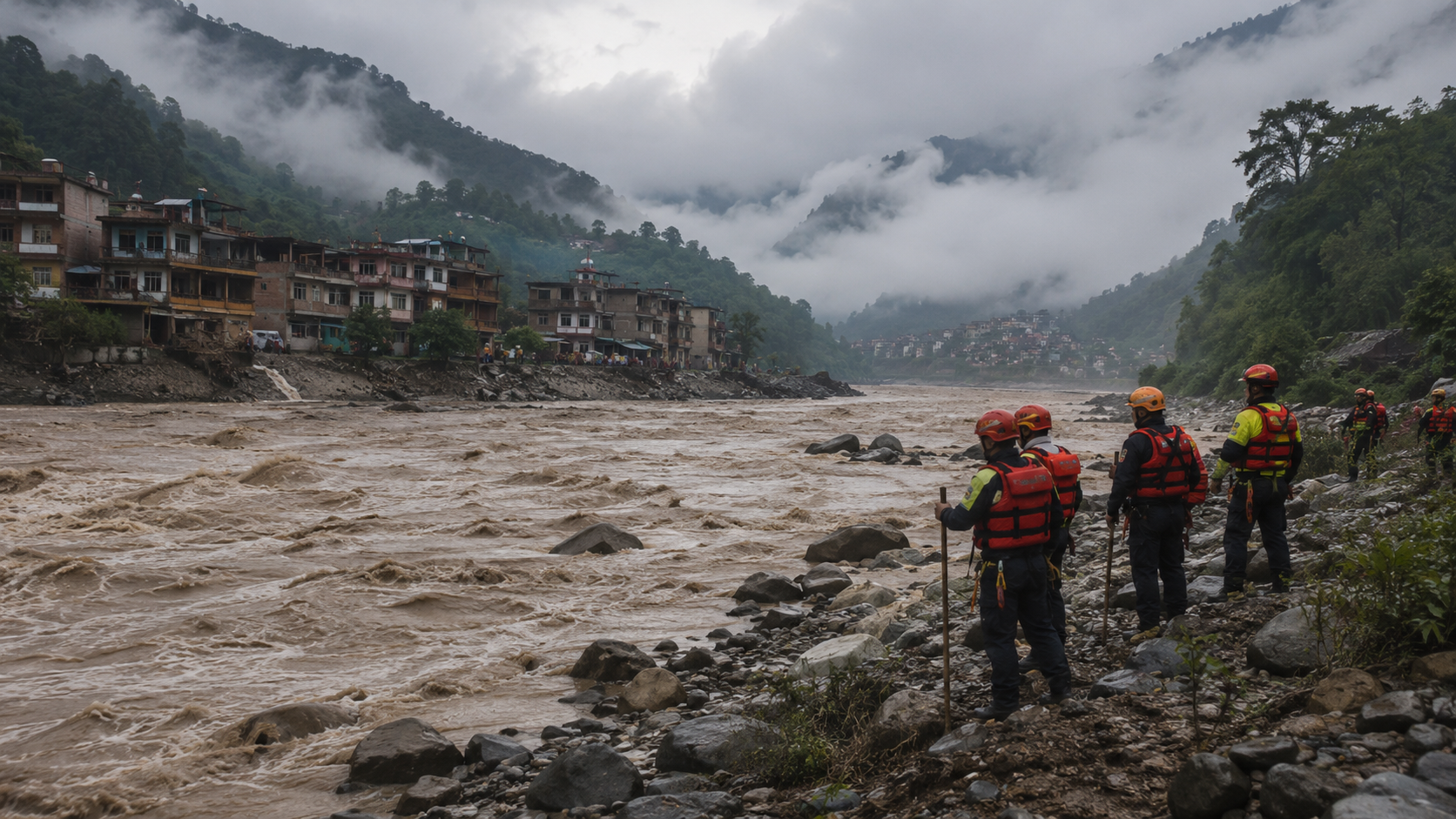
Nepal-China floods have killed 676 people and left nearly 3,000 missing, forcing rescues through mud, gorges and damaged hydropower sites.
After Nepali authorities updated their count on August 29, Nepal accounted for 669 deaths and 2,426 missing people. Chinese authorities reported seven deaths and more than 550 missing in Tibet, bringing the cross-border missing total close to 3,000.
Nepal said more than 3,700 people had been rescued by Saturday, with army helicopters moving survivors and supplies through Nuwakot. The operation entered its fourth day after floods hit border communities on August 26.
Nuwakot helicopters bring survivors
In Nuwakot, helicopters arrived with clothes, instant noodles, crackers and rice, then returned from cut-off settlements with evacuees. Many survivors reached relief sites with no belongings beyond the clothes they were wearing.
Soldiers helped elderly evacuees from aircraft and carried babies toward medical tents, according to local authorities at the relief center. Some residents from Trishuli were still leaving as others tried to reach damaged homes and recover what remained.
Excavation equipment later moved toward the village entrance as coordinators cleared the way for digging. Mud-filled streets, stalled vehicles and debris marked the route into the affected area.
Hospital walls carry names
In Kathmandu, relatives moved between a government hospital help desk and posted patient lists, searching for names of people missing since the floods. Posters with faces, names and phone numbers covered hospital walls as families tried to trace relatives across rescue sites.
Dil Maya Lama traveled about 130 kilometers from Ramechhap to look for her 26-year-old brother, a driver for a hydropower company in Rasuwa. Another relative, Nelza Moktan, was seeking information about a missing cousin who also worked as a driver in Rasuwa.
In Nuwakot, military personnel placed printed lists of missing and dead people on a wall at a relief center. Families photographed the sheets, checked each line and waited for updates from rescue teams still operating in the flood zone.
Tunnel search drives foreign aid
Crews in Nepal and Tibet were working at several damaged sites, including the Upper Trishuli-1 Hydropower Project in Rasuwa and the Gyirong border crossing on the Chinese side. Nepali Army spokesperson Brig. Gen. Raja Ram Basnet said authorities believe more than 100 people may be trapped in a mud-filled tunnel at the hydropower site.
Nepalese Foreign Minister Shisir Khanal said the government had mobilized available resources and international assistance for search, rescue, relief and recovery. He attributed the difficulty to vertical terrain and tight river corridors that limit access for people and machines.
Khanal said Nepal had requested specialized help from neighboring countries for tunnel rescue, survivor-detection technology, rapid forensic work, DNA analysis and morgue refrigeration. India has deployed an 11-member tunnel rescue reconnaissance team, while a similar Chinese team is expected, he said.
India has sent more than 57 metric tons of relief supplies, with additional aid arriving from China, Japan, Australia and other countries, according to Khanal. The government said further requests would depend on damage and needs assessments still being compiled.
Lake level shapes response
Rescuers had been watching a newly formed lake high in the Himalayas after authorities warned it could add to flooding downstream. Monitoring data from China’s Ministry of Water Resources showed the lake level had dropped 10 meters from its Thursday morning high by late Friday.
If the lake continues to recede, relief work can shift more capacity toward missing-person searches, tunnel access and temporary shelter. That would keep the wider economic effect more localized, while allowing the Upper Trishuli-1 site and other hydropower contractors to focus on worker recovery and damage checks.
If renewed flows or blocked channels create another surge, the impact would move beyond immediate rescue demands. Border logistics at Gyirong, hydropower construction schedules in Rasuwa and trekking or pilgrimage routes across the Himalayan corridor would face longer disruption, while governments would need more outside rescue and forensic capacity.
The main unresolved issues are the number of people inside damaged tunnels and border buildings, the stability of upstream water channels and how quickly heavy equipment can reach buried communities. Authorities said the missing include foreigners who were in the region for work, trekking or pilgrimage.