

Antarctic Ozone Hole Reaches Decade-High Expansion Due to Polar Vortex Dynamics
The Antarctic ozone hole expanded to its largest size in a decade due to an unusually strong polar vortex, though long-term recovery trends remain intact.
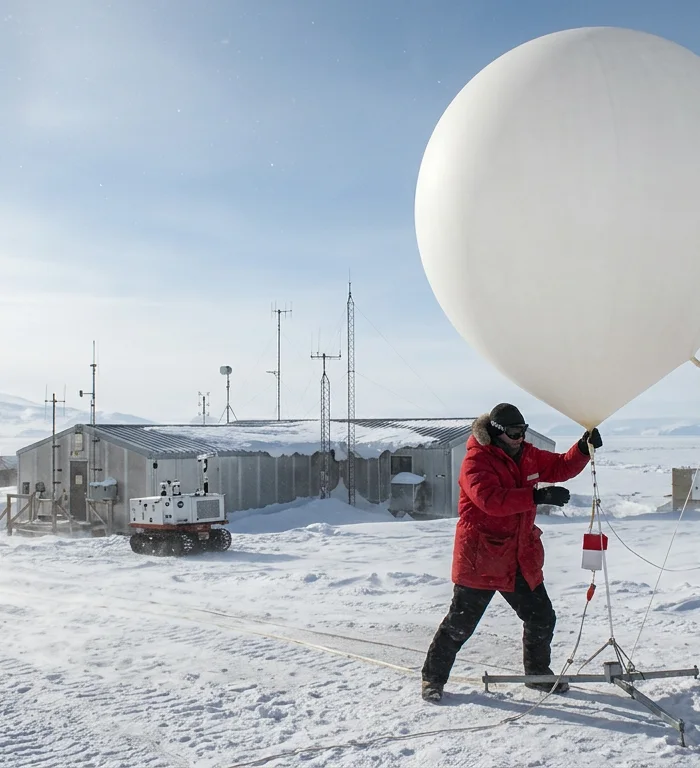
The Antarctic ozone hole reached its seventh-largest recorded size in 2026, covering an average of 9.6 million square miles between September and October. At its peak on September 18, the depletion zone spanned 10.5 million square miles, representing approximately 90% of the record-setting area observed in 2000.
This expansion is attributed to an exceptionally strong and stable stratospheric polar vortex. Atmospheric disturbances that typically weaken these wind patterns were unusually subdued during August and September, allowing the vortex to maintain conditions conducive to ozone depletion over a broader geographic area.
Despite the significant increase in size, scientific analysis indicates that the ozone layer remains on a long-term recovery trajectory. The current depletion levels are less severe than those recorded during peak events two decades ago, suggesting that the structural integrity of the ozone layer is more resilient than in previous cycles.
Projections indicate that without the reduction of chlorine
International regulatory frameworks governing ozone-depleting substances continue to mitigate the potential scale of such events. Projections indicate that without the reduction of chlorine and bromine-based compounds, the 2026 ozone hole would have been an additional 1 to 2 million square miles larger.
Monitoring efforts remain focused on the interaction between atmospheric circulation and chemical concentrations. While the 2026 event highlights the influence of short-term meteorological volatility on stratospheric health, the overall trend remains consistent with the gradual healing of the ozone layer expected throughout the remainder of the century.
More stories
- Dietitians advise small swaps for plant-based eating
- TikTok dementia videos mislead in 66.4% of sample, researchers say
- Aberdeen Royal Infirmary faces police inquiry call over 19 deaths
- Bariatric surgery group loses 28.2% after GLP-1 use
- TOFA boosts mouse energy use 18% while preserving muscle
- ICO probes NHS therapy notes accessible to up to 140,000 staff
- PFOS levels track 93% higher aggressive breast cancer rate
- Fructose may weaken ovarian cancer cell bonds after chemotherapy
Latest news
- David Parr House to honor Victorian art-workman with blue plaque
- Iran's attacks hit 25 tankers near Strait of Hormuz
- FCC approves prison cellphone jamming despite 2.5-mile warning
- Russia strikes Ukraine as Odesa faces electricity strain
- Bahrain reports two injuries after Iranian aerial attacks
- Congress tests Black Democrats' growing policy influence
- Baltic responders fight Sparta II fire after drone strike
- Europe faces attribution gap after 16 cyber, physical incidents