

Mongolia Maintains Strategic Autonomy Through ‘Third Neighbor’ Foreign Policy Doctrine
Mongolia utilizes its ‘Third Neighbor’ foreign policy to mitigate historical security risks and economic over-reliance on China and Russia, ensuring…
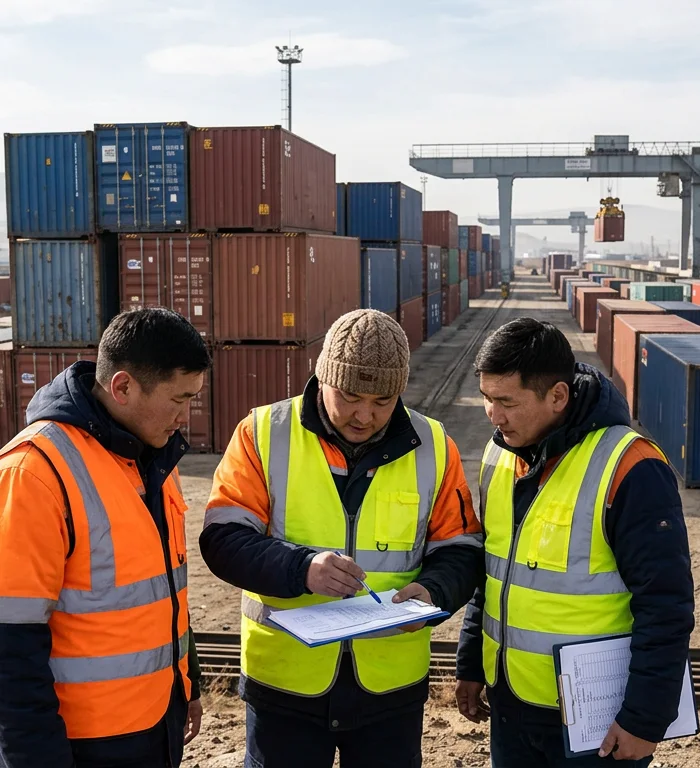
Mongolia’s foreign policy remains anchored in a doctrine designed to preserve national sovereignty by balancing relations between its two immediate neighbors, China and Russia. The "Third Neighbor" policy serves as a critical strategic counterweight, intended to prevent excessive economic or political dependence on either bordering power. Formally codified in 1994 and expanded in 2011, this framework prioritizes engagement with advanced democracies and regional partners, including India, South Korea, and Turkey.
The policy is fundamentally driven by historical security concerns regarding China. Following the 1911 collapse of the Qing Dynasty, Mongolia faced repeated existential threats from Chinese authorities, which historically claimed sovereignty over the territory. These historical tensions, compounded by periods of Soviet dominance during the 20th century, have institutionalized a cautious approach to foreign relations that prioritizes the maintenance of diplomatic autonomy.
As Mongolia’s economic reliance on China grew in Economic factors have significantly influenced the evolution of this doctrine. As Mongolia’s economic reliance on China grew in the early 21st century, the government moved to broaden the "Third Neighbor" definition to include a wider array of international partners. This shift was a direct response to the inability to maintain a traditional balance between Moscow and Beijing, aiming to mitigate the risks associated with a singular economic dependency.
For policymakers, the "Third Neighbor" doctrine represents a long-term commitment to diversifying trade, security, and diplomatic partnerships. The strategy functions as a hedge against regional volatility and potential geopolitical pressure from larger neighbors. Future developments in this policy will likely continue to focus on deepening ties with non-bordering states to ensure that Mongolia retains its status as a sovereign, independent actor in East Asia.
More stories
- Germans oppose Ukraine aid as poll shows support slipping
- Kim Jong-un receives 10 envoys after constitutional shift
- Ukraine claims Libya strike sinks Russian naval corvette
- COP31 climate talks collapse over fossil fuels and funds
- Russian military faces 1,087 recorded suicides in Ukraine war
- US faces China, Russia in Africa minerals contest
- Iran's attacks hit 25 tankers near Strait of Hormuz
- Russia strikes Ukraine as Odesa faces electricity strain
- Brent heads for fourth monthly gain as Middle East risk persists
- European coffin makers seek EU case with ranks down to 90
Latest news
- Trump prepares tariffs on China and other major exporters
- New-car buyers pay record average $50,087 in October
- Banks face ECB reserve debate over liquidity and profits
- Investors see Anthropic debut gains fade below $83 a share
- Iraq orders federal control over Kurdish-area oilfields
- Nvidia shares retreat as AI rally cools before PCE data
- Macy’s parade faces balloon limits as storm winds approach