

Spontaneous Recovery Observed in Pesticide-Induced Parkinsonian Mouse Models
Mice exposed to rotenone exhibited spontaneous recovery from Parkinson’s-like motor deficits, suggesting potential cellular resilience that requires further…
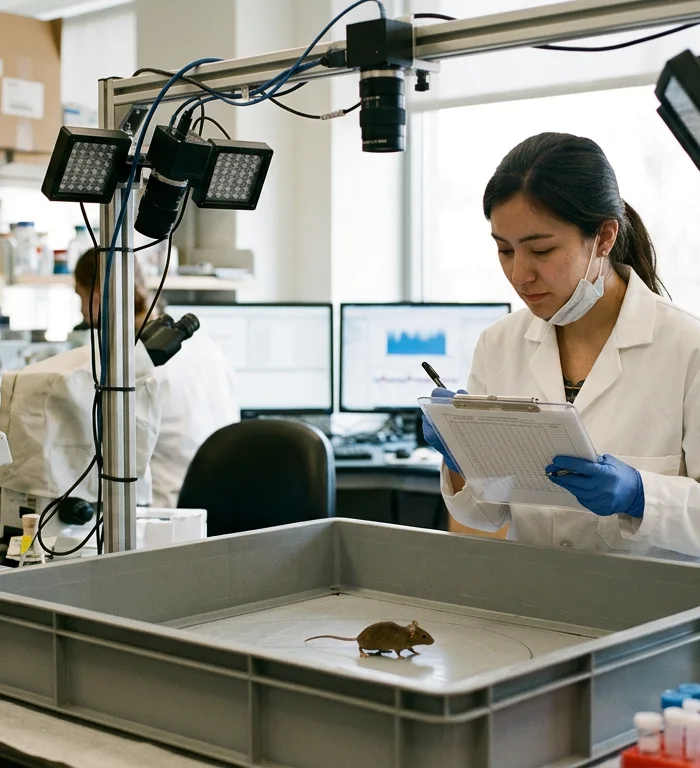
Recent research indicates that mice exposed to the pesticide rotenone, which induces Parkinson's-like motor deficits, demonstrated spontaneous recovery of movement and balance over a 12-month period. The subjects exhibited significant initial declines in dopamine-producing cell markers, yet these markers stabilized over time without therapeutic intervention.
Analytical findings suggest that the observed deficits may result from a temporary loss of cellular identity rather than permanent neuronal death. While the subjects regained motor function comparable to control groups, the underlying biological mechanisms for this resilience remain unidentified.
Researchers emphasize that these findings do not negate the established epidemiological links between pesticide exposure and Parkinson's disease risk in humans. The study is limited by a small sample size and the absence of key pathological features associated with human Parkinson's, such as alpha-synuclein accumulation. Consequently, these results cannot be extrapolated to clinical human populations or occupational safety protocols at this time.
More stories
- Dietitians advise small swaps for plant-based eating
- TikTok dementia videos mislead in 66.4% of sample, researchers say
- Aberdeen Royal Infirmary faces police inquiry call over 19 deaths
- Bariatric surgery group loses 28.2% after GLP-1 use
- TOFA boosts mouse energy use 18% while preserving muscle
- ICO probes NHS therapy notes accessible to up to 140,000 staff
- Inulin cuts knee arthritis pain in six-week trial
- British surgeons question rib remodelling after 3.7% complications
- CDC to aid Pennsylvania measles response after 1,222 cases
- HIIT preserves lean mass in 123 older adults losing fat
Latest news
- Hull City 2–0 Brighton: When Resilience Beat Reputation
- David Parr House to honor Victorian art-workman with blue plaque
- Iran's attacks hit 25 tankers near Strait of Hormuz
- FCC approves prison cellphone jamming despite 2.5-mile warning
- Russia strikes Ukraine as Odesa faces electricity strain
- Bahrain reports two injuries after Iranian aerial attacks
- Congress tests Black Democrats' growing policy influence
- Baltic responders fight Sparta II fire after drone strike