

Malaysian High Court Clears Path for Former Prime Minister Najib Razak’s House Arrest
The Malaysian High Court has cleared the way for former Prime Minister Najib Razak to serve the remainder of his 1MDB-related sentence under house arrest…
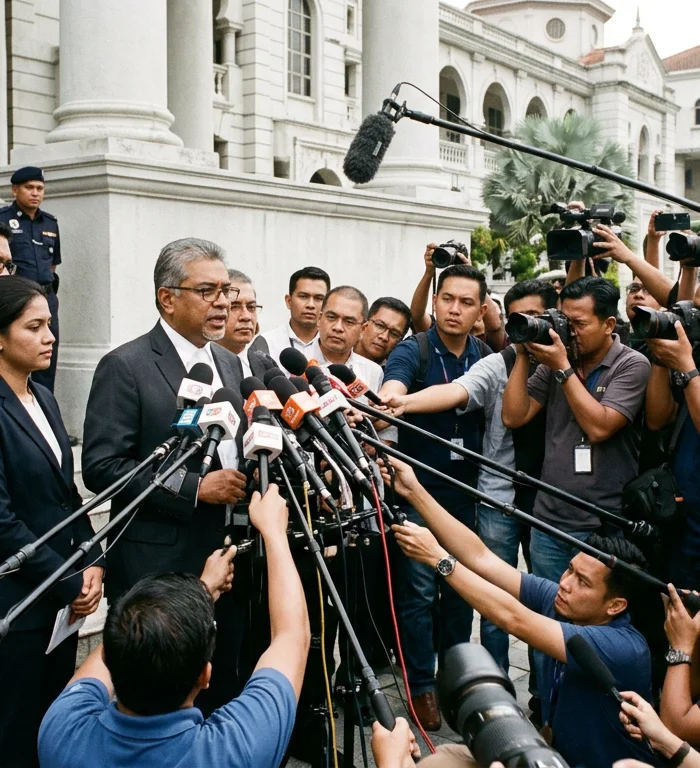
The Malaysian High Court has authorized the transition of former Prime Minister Najib Razak from prison to house arrest. This decision follows a legal review initiated by the Attorney-General’s Chambers regarding the implementation of a royal pardon granted on September 18. The pardon permits Najib to serve the remainder of his sentence for his role in the 1Malaysia Development Berhad (1MDB) financial scandal at his residence.
The legal process faced significant friction following the payment of court-mandated fines by the United Malays National Organisation (UMNO), Najib’s political party. The Attorney-General had previously sought a review of the discharge order issued on November 6, citing a need to align the court’s mandate with the specific conditions set forth in the royal decree. This intervention temporarily halted the transfer, creating a period of legal uncertainty regarding the execution of the pardon.
The Malaysian High Court
The situation carries substantial political risk, as the King, Sultan Ibrahim, has publicly cautioned that any challenge to his pardon order could be interpreted as defiance of his authority. The involvement of the monarchy in the administrative details of a high-profile corruption sentence underscores the sensitivity of the case. The Attorney-General’s recent application aims to formalize the transition in a manner that satisfies both the court’s procedural requirements and the King’s directive.
For policymakers and financial observers, this development highlights the ongoing intersection of judicial processes and political influence in Malaysia. The resolution of the house arrest order serves as a critical test for the current administration’s management of legacy corruption cases. Continued monitoring is required to assess how this decision impacts the stability of the governing coalition and the broader perception of the rule of law in the country’s financial sector.
More stories
- Germans oppose Ukraine aid as poll shows support slipping
- Kim Jong-un receives 10 envoys after constitutional shift
- Ukraine claims Libya strike sinks Russian naval corvette
- COP31 climate talks collapse over fossil fuels and funds
- Russian military faces 1,087 recorded suicides in Ukraine war
- US faces China, Russia in Africa minerals contest
- Megaspeed faces US scrutiny over $3bn asset jump
- US pauses Iran military action after 8 months of war
- South African parties split over Cape Town's 30,000-home annual gap
- Ruto seeks Russian investment in Kenya's $380m trade push
Latest news
- Trump prepares tariffs on China and other major exporters
- New-car buyers pay record average $50,087 in October
- Banks face ECB reserve debate over liquidity and profits
- Investors see Anthropic debut gains fade below $83 a share
- Iraq orders federal control over Kurdish-area oilfields
- Nvidia shares retreat as AI rally cools before PCE data
- Macy’s parade faces balloon limits as storm winds approach