

Federal Long COVID Research Faces Scrutiny Over Lack of Clinical Treatments
Federal long COVID research has faced criticism for failing to produce clinical treatments despite $1.
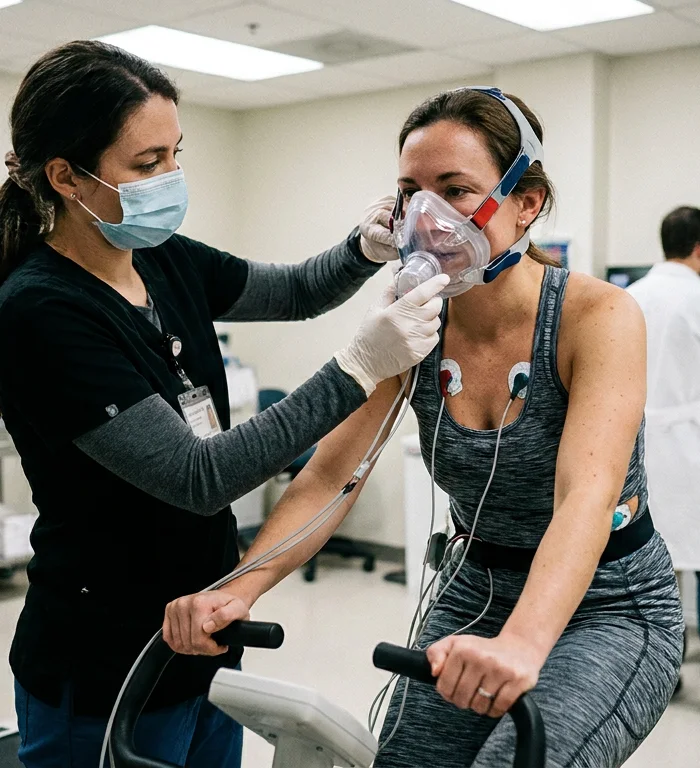
Federal research initiatives targeting long COVID have reached a critical juncture as stakeholders express dissatisfaction with the absence of FDA-approved treatments. Despite an initial investment of approximately $1.15 billion since December 2020, Institutes of Health (NIH) has yet to bring a therapeutic intervention to market. Critics, including patient advocacy groups and medical professionals, argue that the research strategy has prioritized observational studies over the development of actionable clinical trials, leading to a perceived lack of urgency in addressing the needs of an estimated 17 million affected adults in the United States.
The NIH’s primary research initiative, known as RECOVER, has focused heavily on understanding the biological mechanisms and pathobiology of the condition. While the agency maintains that foundational research is necessary to inform future clinical trials, the disparity between the scale of funding and the lack of patient outcomes has prompted calls for a shift in strategy. To date, the initiative has supported over 200 observational studies and 40 pathobiology studies, but only one clinical trial has published results.
In response to mounting pressure, the NIH is currently allocating an additional $662 million in funding, with $300 million specifically earmarked for clinical trials over the next four years. This shift toward therapeutic testing represents a strategic pivot intended to address the criticism regarding the program's lack of clinical progress. However, advocates emphasize that this funding represents only a partial step toward addressing the long-term economic and health impacts of the condition, which has been characterized as a mass disabling event.
Moving forward, the effectiveness of the RECOVER initiative will be measured by its ability to translate observational data into evidence-based therapies. The agency faces ongoing pressure to balance the scientific requirement for rigorous, time-intensive research with the immediate demand for medical solutions for a large, symptomatic population. Future oversight will likely focus on the speed and transparency of the newly funded clinical trials and their capacity to produce measurable improvements in patient health.
More stories
- Dietitians advise small swaps for plant-based eating
- TikTok dementia videos mislead in 66.4% of sample, researchers say
- Aberdeen Royal Infirmary faces police inquiry call over 19 deaths
- Bariatric surgery group loses 28.2% after GLP-1 use
- TOFA boosts mouse energy use 18% while preserving muscle
- ICO probes NHS therapy notes accessible to up to 140,000 staff
- NHS England misses cancer wait targets with 373,000 diagnoses
- NRDC accuses Trump administration of 500 cancer-protection rollbacks
- Inulin cuts knee arthritis pain in six-week trial
- British surgeons question rib remodelling after 3.7% complications
Latest news
- David Parr House to honor Victorian art-workman with blue plaque
- Iran's attacks hit 25 tankers near Strait of Hormuz
- FCC approves prison cellphone jamming despite 2.5-mile warning
- Russia strikes Ukraine as Odesa faces electricity strain
- Bahrain reports two injuries after Iranian aerial attacks
- Congress tests Black Democrats' growing policy influence
- Baltic responders fight Sparta II fire after drone strike
- Europe faces attribution gap after 16 cyber, physical incidents