Mideast Tensions Flare: Oil Jumps as Iran Strikes
Iran's repeated attacks on U.S. forces test a ceasefire, driving up oil prices and prompting international condemnation.
Cuneyd Erdogan ·
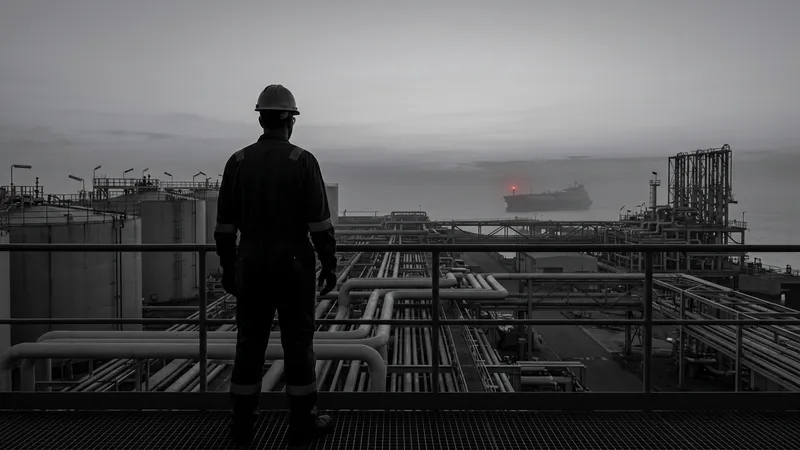
Iran Attacks Test Ceasefire, Oil Prices Rise Iranian forces have attacked U.S. military personnel more than 10 times since a ceasefire began, according to General Dan Caine, Chairman of the Joint Chiefs of Staff, as reported on Tuesday, May 5, 2026. These incidents, occurring amidst ongoing military operations in the region, have not yet triggered a full resumption of combat, though U.S. Defense Secretary Pete Hegseth stated the ceasefire remains in effect.
The attacks coincide with U.S. efforts to guide vessels through the Strait of Hormuz, a temporary measure distinct from broader military actions.
Iran's parliament speaker indicated further actions could follow, asserting that the U.S. and its allies have jeopardized secure shipping.
International leaders, including those from Lebanon, Pakistan, India, the European Union, and Canada, have condemned Iran's actions, particularly an attack on a major Emirati port, and called for de-escalation and diplomatic engagement.
Economically, U.S. gasoline prices have increased by 50% since the conflict began, with oil prices exceeding $100 per barrel. S&P Global Energy reports a projected decline in global oil and petroleum product demand by nearly 5 million barrels per day this quarter, marking the sharpest drop outside of the pandemic. This demand destruction, coupled with an anticipated 5.5 million barrels per day reduction in global crude oil inventories, signals significant market instability.