France and Germany Veto Move to Release Emergency Diesel Reserves
France and Germany confirmed that recent diesel reserve pledges will only fulfill existing 2026 commitments, sparking G7 friction.
Atlas Newsdesk ·
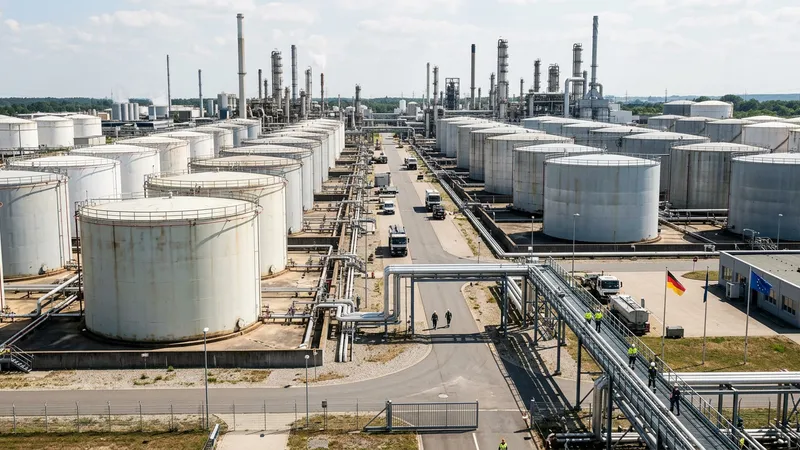
France and Germany have clarified that their recent commitment to release diesel reserves will exclusively involve fulfilling pledges made by March 2026. This announcement indicates that no new quantities beyond those already agreed upon under previous International Energy Agency (IEA) agreements will be introduced to the market.
The clarification comes after a G7 commitment aimed at bolstering diesel supply to alleviate global price instability. This stance contrasts with expectations from some G7 members, who had anticipated a fresh injection of supply following the latest pledge. Diplomatic sources suggest this lack of new provisions has generated tension within the G7 alliance.
G7 Friction and Market Impact
The United States administration had previously issued warnings about potential fuel export bans if European nations did not release adequate reserves. Germany has explicitly stated its position, confirming that no additional volumes will be released, citing prevailing market demand conditions.
Internal energy security concerns are also a factor, particularly among several Eastern European nations. These countries have voiced apprehension that drawing down reserves to manage price fluctuations could leave them exposed to future supply disruptions.
Forthcoming IEA Meeting
An extraordinary IEA meeting has been scheduled to address the ongoing uncertainties. The agenda includes discussions on the lack of precise details regarding specific national contributions to reserve releases and the timelines for their implementation.