U.S. Housing Market Stagnation Driven by Interest Rate Disparity
U.S. home sales have hit a multi-year low as high interest rates and refinancing disincentives create a structural freeze in the housing market.
Atlas Newsdesk ·
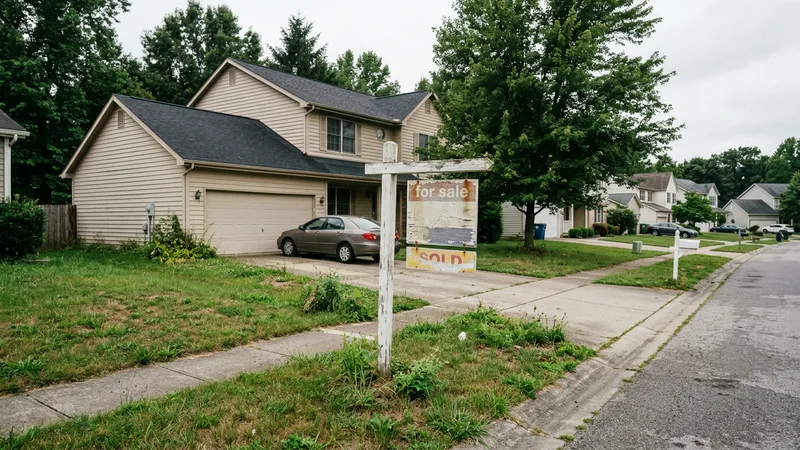
The annual rate of U.S. home sales has declined to 3.98 million, marking the lowest volume recorded since June 2025. This contraction is primarily attributed to elevated mortgage costs, with 30-year fixed rates currently exceeding 7 percent.
Market liquidity is constrained by a significant financing gap for existing homeowners. Approximately 50 percent of mortgage holders are locked into rates below 4 percent, creating a substantial financial disincentive to relocate and refinance at current market levels.
Structural supply deficits relative to household formation continue to support high property valuations despite the decline in transaction volume. This price rigidity prevents the market clearing typically expected during periods of reduced demand.
Broader macroeconomic factors, including capital competition from the artificial intelligence sector, are exerting upward pressure on interest rates. As the largest asset class in the U.S. economy, the stagnation of the $55 trillion residential real estate market poses significant risks to household consumption and overall economic mobility.