Oil hits $101 after Trump rejects Iran proposal
Brent crossed the $100 threshold as Strait of Hormuz risk returned to the center of the oil market.
Mateo Fernandez ·
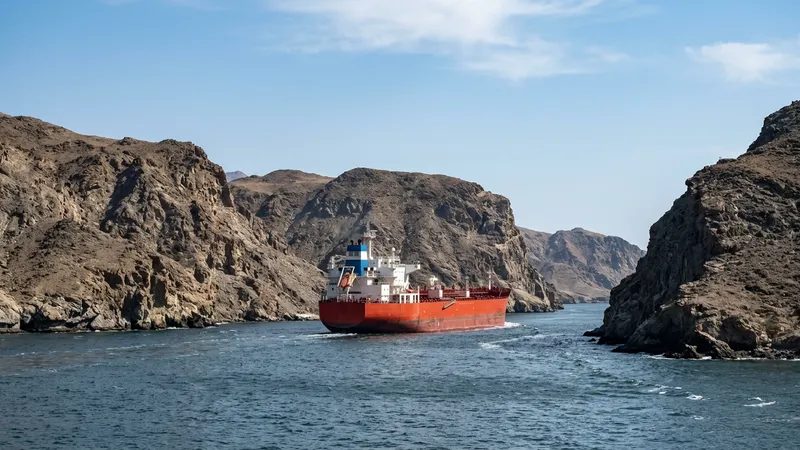
Brent crude touched $101 a barrel on Monday after President Trump rejected an Iran peace proposal, keeping Strait of Hormuz risk in focus.
The move put oil back above the $100 threshold in morning trading, a level that can feed quickly into inflation expectations, transport costs and central bank pricing. US equities and bullion were reported lower after the rise in crude, though no index or spot-price moves were provided.
Hormuz risk lifts crude
Officials said the rejected proposal was aimed at easing the Middle East conflict and reopening the Strait of Hormuz, the narrow Gulf waterway that remains central to global crude and fuel shipments. The market response showed how quickly a diplomatic setback can be reflected in energy prices when traders see a risk to seaborne supply.
For oil-consuming economies, the mechanism is direct: higher crude raises the cost of fuel, freight and petrochemical inputs, then tests how much of that cost companies can pass on. For energy producers, the same move can lift cash flow if volumes are maintained, while refiners and airlines face pressure if product margins or ticket prices do not adjust.
If the Hormuz reopening effort resumes, crude could pare part of Monday's risk premium and ease pressure on inflation-linked assets.
If the dispute instead extends through this week, the market will focus on whether Brent holds above $100 through the Friday, October 2 close and whether equity weakness spreads beyond the first reaction.